
How To
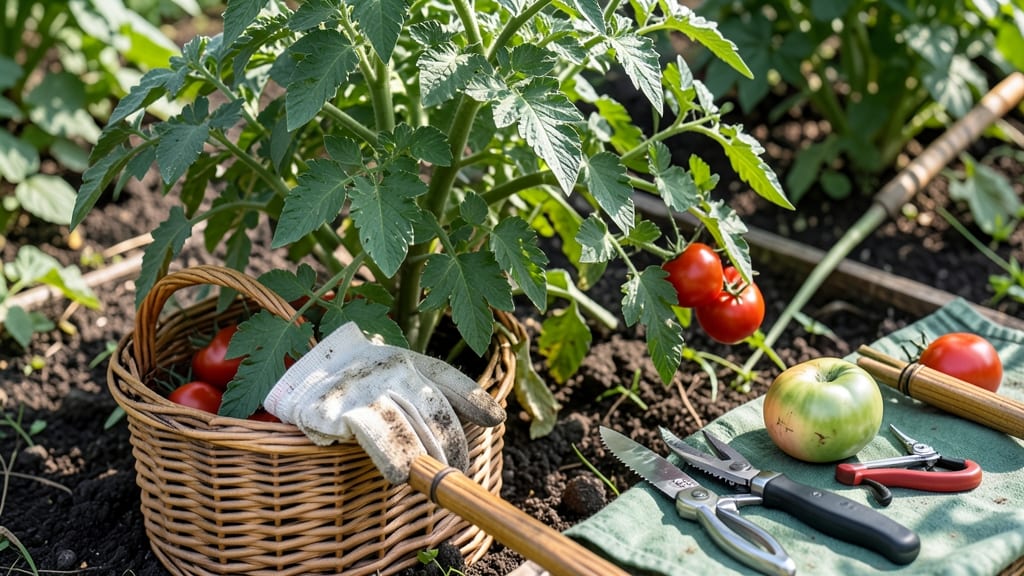
How to know if a tomato is ready to pick can make the difference between a burst of sweet, juicy flavor and a meal of bland disappointment. Too early, and you’ll miss out on peak ripeness; too late, and you risk splitting or attracting pests. The secret lies in combining simple visual cues with a gentle touch test that even beginner gardeners can master.
Most gardeners focus on color—deep red, golden yellow, or rich purple—but ripeness goes beyond just hue. The stem end should soften slightly and turn a pale yellow or brown, while the skin should resist gentle pressure without giving way.
These subtle clues tell you the perfect moment to harvest, ensuring your tomatoes reach their full potential.
Environmental factors like temperature and sunlight play a surprisingly big role too. Hot days can speed up ripening, while cooler weather might slow it down, making consistent checks essential. I’ll walk you through the exact steps to avoid common mistakes and get every tomato off the vine at its peak.
Whether you’re growing heirlooms or hybrids, these 5 simple tests will help you pick tomatoes that taste like summer at its finest. Let’s dive into the details so you never miss another ripe one!


5 Visual signs a tomato is ready to pick (with color & texture clues)
Mastering the visual cues for ripe tomatoes transforms guesswork into confidence. The color shift from green to deep red, yellow, or purple (depending on variety) is your first clue. For heirloom varieties like Brandywine, expect rich, even hues, while hybrid types may show more uniform coloring.
Pay attention to the stem end—when it turns from bright green to yellow or brown, ripeness is near.
Another key visual is the smooth skin texture. Ripe tomatoes have a slightly matte finish, free of rough patches or bumps. Uneven surfaces often indicate underripe fruit, while a glossy sheen can signal overripeness.
Check for cracking or soft spots, which may mean the tomato has stayed on the vine too long or faced inconsistent watering.
🌱
🌿 Tomato Ripeness Visual Guide
| Sign | Ready Tomato | Not Ready |
|---|---|---|
| Color | Deep, even red/yellow/purple | Pale or patchy green |
| Stem End | Yellow/brown, soft | Bright green, hard |
| Skin Texture | Smooth, matte | Rough or glossy |
| Stem Separation | Twists off cleanly | Resists or tears |
| Weight | Feels heavy for size | Light or hollow |
💡 Pro Tip: Use a flashlight to check for internal ripeness—ripe tomatoes have a deep red center when cut.
Don’t overlook the stem separation test, a foolproof method for confirming ripeness. Gently twist the tomato while holding the vine—if it detaches cleanly with minimal force, it’s ready.
A hard pull or tearing means it’s not ripe yet. This test works best in the morning, when tomatoes are firmest and coolest.
For cherry tomatoes, size matters more than color. Look for plump, glossy fruit that fills out the vine’s cluster. Heirloom varieties like Black Krim may stay greenish-brown when ripe, so rely on texture and weight over color.
Always harvest regularly—overcrowded tomatoes on the vine can stunt growth and reduce flavor.
Environmental factors like temperature swings or inconsistent sunlight can delay ripening. If your tomatoes change color but stay hard, they may need 2-3 warmer days to fully ripen. Keep an eye on sun exposure—shady spots produce pale, underripe fruit, while too much sun can cause sunscald (white patches).
🌿
One common mistake is picking tomatoes based on size alone. A large tomato might still be hard and green inside, while a small one could be perfectly ripe.
Always combine visual checks with the touch test (we’ll cover this next!). If you’re unsure, pick it and ripen indoors—we’ll share the best methods later in this guide.
For container-grown tomatoes, ripeness cues are the same, but check more frequently since potted plants often ripen faster. Dwarf varieties like 'Tiny Tim' may produce smaller but sweeter fruit when picked at peak ripeness.
Remember: early morning is the best time to harvest for maximum flavor and longer shelf life.
✂️
The touch test: how firmness and weight reveal ripeness
When it comes to picking tomatoes, your fingers can be just as reliable as your eyes. The touch test reveals subtle clues about ripeness that visual cues alone might miss.
Start by gently squeezing the tomato—ripe tomatoes feel firm but yield slightly under pressure, like a ripe avocado. If it feels rock-hard or mushy, it’s not ready yet.
A ripe tomato also feels slightly heavier for its size, thanks to concentrated sugars and juices. Hold two tomatoes of similar size—the heavier one is almost always riper. This weight difference is especially noticeable with heirloom varieties, which often develop dense, flavorful flesh as they ripen.
Some gardeners mistake a hard tomato for ripeness, but this is a common mistake. A truly ripe tomato should yield slightly when pressed—like pressing your thumb into a ripe peach. If it feels like a stress ball, it’s not ready yet.
🌱 Pro Tip: Check the stem end first—it should soften and turn yellowish-brown when ripe.
Pay attention to the skin texture too. A ripe tomato’s skin should feel smooth and slightly glossy, not dull or waxy. Run your fingers over the surface—tiny cracks or wrinkles can signal overripeness, especially in hot weather.
These are signs the tomato is past its prime and may split or rot if left on the vine.
For cherry tomatoes, the rules are slightly different. They should feel plump and firm but still soft enough to dent slightly when squeezed. Their smaller size means they ripen faster, so check them every 2-3 days during peak season.
Overlooking them can lead to burst fruit or attracting pests like birds and squirrels.
Environmental factors like temperature swings can trick your touch test. If your tomatoes are exposed to cool nights or hot afternoons, they may ripen unevenly. In such cases, combine the touch test with the color check (from Section 1) for the most accurate reading.
For example, a tomato might feel firm but still appear greenish—this often means it needs more time on the vine.
Finally, twist the tomato gently at its stem. A ripe tomato should separate cleanly from the vine with minimal resistance. If the stem snaps off or requires force, the tomato isn’t ready.
This test is especially useful for large beefsteak varieties, which can be heavy and may not show other ripeness signs until late in the season.