
How To
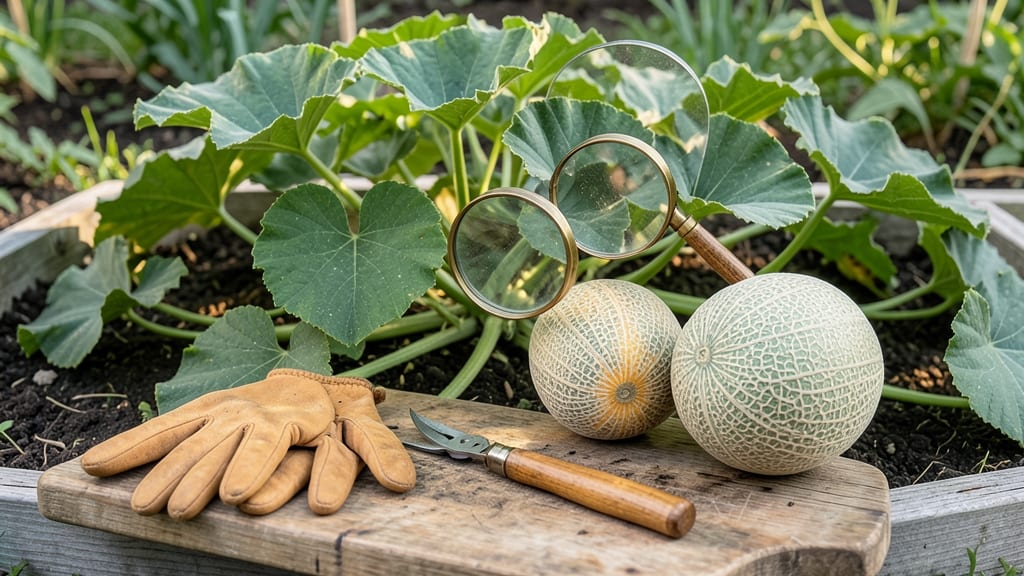
How to know if a cantaloupe is ready to pick can mean the difference between a sweet, juicy reward and a disappointing, bland harvest. Too early, and you're left with tough skin and watery flesh; too late, and the fruit might overripen and spoil on the vine.
I've learned the hard way that visual cues are the key to perfect timing. A creamy-yellow rind, a stem that slips easily, and that unmistakable sweet fragrance near the blossom end are all signs your cantaloupe is ready.
But there's more to it than just these three indicators—environmental factors like heat and humidity can also play a role.
In this guide, I'll walk you through the 3 most reliable ways to test for ripeness, including what to look for and what to avoid. Whether you're a seasoned gardener or just starting out, these tips will help you pick your cantaloupe at its peak.
By the end, you'll know exactly when to harvest for that perfect balance of sweetness and texture. Let's dive in and make sure your cantaloupe harvest is nothing short of spectacular.


3 Visual and textural signs your cantaloupe is perfectly ripe
Mastering the art of cantaloupe ripeness starts with knowing what to look for in your garden. A ripe cantaloupe delivers that explosion of sweetness and juicy texture we all crave, while an underripe one tastes bland and seedy.
Here’s how to spot the perfect moment to harvest with just a few simple checks.
First, focus on the blossom end—the part where the fruit connected to the vine. When ripe, this area turns from green to tan or brown, almost like a sun-bleached leaf.
This color shift signals sugar development inside. I always check this spot first because it’s the most reliable indicator of ripeness.
Next, examine the rind color. A perfectly ripe cantaloupe shifts from dull green to a creamy-yellow hue with net-like patterns that darken. These patterns aren’t just for show—they’re nature’s way of showing you it’s time to pick.
If the rind still looks green or patchy, give it a few more days.
The stem test is another foolproof method. Gently twist the stem near the vine—if it slips off easily with just slight pressure, your cantaloupe is ready. This happens because the fruit’s sugars break down the stem’s connection. If the stem resists, the fruit needs more time on the vine.
Don’t forget to smell the blossom end. A ripe cantaloupe emits a sweet, musky fragrance that’s impossible to miss. If you’re standing near the vine and can’t detect this aroma, the fruit isn’t ready yet. This scent is your final confirmation that the sugars have fully developed.
Finally, pick up the fruit and assess its weight and feel. A ripe cantaloupe feels heavy for its size because it’s packed with juice and sugars.
When you gently squeeze the sides, it should yield slightly—like pressing your thumb into a ripe avocado. If it feels hard or rock-like, it’s not ready.
🌱 3 Key Signs Your Cantaloupe Is Ripe
- Blossom End Color: Tan or brown (not green) 🟡
- Rind Texture: Creamy-yellow with dark nets ✂️
- Stem Test: Slips off easily with gentle twist 🤏
I’ve learned the hard way that overripe cantaloupes can be just as disappointing as underripe ones. They become mushy, lose sweetness, and attract pests like flies. That’s why I always check these signs 2-3 days before the expected harvest window—usually 75-90 days after planting.
Environmental factors like high heat and humidity can speed up ripening, so I adjust my checks accordingly. In hot climates, cantaloupes might ripen faster, while cooler weather can delay the process. Paying attention to these local growing conditions helps me time my harvests perfectly.
Once you’ve confirmed ripeness, harvest your cantaloupe by cutting the stem with a sharp knife, leaving a 1-inch stem attachment. This helps extend shelf life. Store ripe cantaloupes at room temperature until fully ripe, then refrigerate to preserve freshness for up to a week.
With these visual and textural cues, you’ll never miss the perfect moment to pick a cantaloupe again. The next time you’re in your garden, take a moment to sniff, squeeze, and twist—your taste buds will thank you! 🌿
3 Visual and textural signs your cantaloupe is perfectly ripe
Cantaloupes don’t ripen after picking, so timing is everything. The three key indicators of ripeness—color, stem separation, and aroma—work together to signal peak flavor.
Ignore one, and you risk a mealy, underripe fruit or an overripe mess. Let’s break down what to look (and smell) for in your garden.
First, focus on the blossom end—the side that sat against the vine. A ripe cantaloupe’s blossom end turns from green to tan or brown, almost like a sun-bleached leaf.
This color shift means the sugars inside have fully developed. Pro tip: If the skin near the stem feels slightly soft to the touch, that’s another green light for harvest.
Next, check the rind’s texture and color. A ripe cantaloupe’s skin shifts from dull green to a creamy-yellow hue, often with a slight sheen. Run your thumb over the surface—it should feel slightly soft (like a ripe peach), not hard or rubbery.
Overripe fruit may have wrinkled skin or soft spots, so act fast if you see these signs.
Don’t overlook the weight test. A ripe cantaloupe feels heavy for its size because it’s packed with juice. Lift one in each hand—if they feel noticeably different, the heavier one is likely riper. This trick works best when comparing two fruits on the same vine.
Finally, trust your nose. Hold the cantaloupe near your face and take a deep sniff at the blossom end. A ripe cantaloupe emits a powerful, sweet aroma—almost like a mix of honey and tropical fruit.
If it smells mild or fermented, it’s either underripe or overripe. Pro growers swear by this test as the most reliable indicator.
Remember, cantaloupes won’t ripen further after picking, so harvest at the first sign of these cues. Miss the window, and you’ll end up with a fruit that’s either hard and bland or mushy and seedy.
Now grab your gloves and head to the patch—your taste buds will thank you! 🌱