
How To
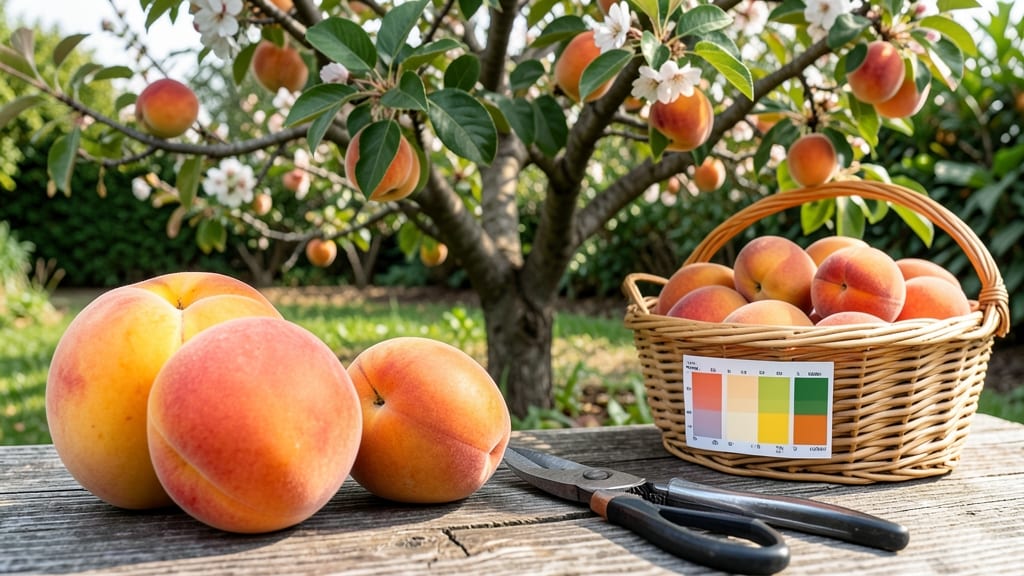
How to know when apricots are ripe can turn a sweet, juicy harvest into a mealy disappointment—or worse, a wasted effort. The difference between perfect ripeness and overripe mush often comes down to simple tests most gardeners miss.
With July and August being the prime harvest window in USDA Zone 6a, timing is everything. I’ve learned the hard way that waiting for that perfect moment means avoiding both underripe green fruit and overripe, mushy apricots that fall apart. Here’s how to nail it every time.
You don’t need fancy tools—just your eyes, fingers, and nose. A few quick checks will tell you exactly when your 🍑 apricots are ready to pick, whether you’re dealing with a single tree or a whole orchard. Let’s break down the 5 foolproof tests that’ll change how you harvest forever.
From color shifts to the telltale scent, these methods work for any variety, from classic orange-fleshed types to deeper-hued hybrids. Master them, and you’ll always know the moment your apricots are at their peak—no guesswork required.


5 Visual and tactile tests to check apricot ripeness instantly
Mastering the art of picking apricots at peak ripeness starts with understanding their visual and tactile cues. Unlike some fruits that ripen after picking, apricots must be harvested when fully ripe to avoid mealiness or bitter flavors.
These five simple tests will help you determine the perfect moment—no guesswork required.
First, examine the fruit's color. Ripe apricots transition from green to a vibrant orange-yellow or reddish hue. Some varieties may even develop a slight blush. Avoid picking fruits with lingering green patches, as they won’t sweeten properly after harvest.
Next, check the stem separation. A ripe apricot will detach easily from the tree with a gentle twist. If the fruit resists, it’s not ready yet. This test is especially useful for varieties prone to cracking, like 'Blush' apricots, which need careful monitoring.
Don’t overlook the scent test. Hold the apricot near your nose and sniff the stem end. A ripe apricot emits a sweet, fragrant aroma.
If it smells bland or slightly fermented, it’s either unripe or overripe. This cue is particularly reliable in humid climates where visual cues can be misleading.
Now for the texture check. Gently squeeze the apricot—it should yield slightly, like a ripe peach, but not feel mushy. A firm fruit is underripe, while one that’s too soft may be overripe or spoiled. This tactile test is crucial for home gardeners who want to avoid wasting fruit.
Finally, consider the fruit size. Ripe apricots reach their full size, typically 2 to 3 inches in diameter. Smaller fruits are unlikely to be fully ripe, even if they pass other tests. Compare a few fruits on the tree to spot the largest, most colorful ones for harvesting.
🍑 Apricot Ripeness Comparison Table
| Trait | Unripe Apricot | Ripe Apricot |
|---|---|---|
| Color | Mostly green or pale yellow | Orange-yellow or reddish hue |
| Stem Separation | Firmly attached; requires force | Detaches easily with slight twist |
| Scent | No noticeable aroma | Sweet, fragrant at stem |
| Texture | Hard and firm | Slightly soft, like ripe peach |
| Size | Small (<2 inches) | Full size (2-3 inches) |
Pro Tip: Combine these tests for accuracy—no single cue guarantees ripeness alone.
For early-season varieties like 'Goldcot,' rely more on scent and texture, as color changes may be subtle. In contrast, late-season apricots like 'Patio' develop deeper red hues and are best judged by stem separation and size.
Timing matters too. Harvest apricots in the morning after a cool night to preserve their sweetness. Avoid picking after rain, as excess moisture can dilute flavors and encourage rot. Use a fruit picker or small pruners to avoid damaging branches.
If you’re unsure, pick a few fruits and let them ripen indoors. Place them in a paper bag with a banana (the ethylene gas speeds ripening) and check daily. Overripe apricots turn mushy and develop a fermented smell—so act fast once you’ve nailed those visual and tactile cues!
With these tests, you’ll never miss the peak ripeness window again. Happy harvesting! 🌱🍑
5 Visual and tactile tests to check apricot ripeness instantly
Apricots ripen quickly, so knowing the exact moment to pick is crucial. The key lies in five simple visual and tactile tests that reveal whether your fruit is ready for harvest.
These methods work for all apricot varieties, from classic Blenheim to sweet Goldcot. Start by examining the fruit’s color, the most obvious sign of ripeness.
Look for a uniform orange-yellow or reddish hue—no lingering green patches. Unripe apricots often have mixed colors or a dull appearance. Next, check the stem’s attachment—a ripe apricot should detach easily with a gentle twist. If the fruit resists, it’s not ready yet.
| Trait | Unripe Apricot | Ripe Apricot |
|---|---|---|
| Color | Green or patchy | Solid orange-yellow or reddish |
| Texture | Hard and firm | Slightly soft with gentle give |
| Stem Separation | Sticks tightly | Twists off easily |
| Size | Small, not full-sized | Full-sized for variety |
| Scent | No fragrance | Sweet, fragrant aroma |
Gently squeeze the apricot—it should yield slightly, like a ripe peach. If it feels rock-hard, it’s not ready. Finally, sniff the fruit near the stem; a sweet, floral scent confirms ripeness. These tests combined ensure you pick apricots at their peak flavor and texture.
Variety matters! Some apricots, like Goldcot, ripen earlier with a lighter yellow hue, while others, such as Blenheim, develop a deep orange-red blush. Always compare against nearby fruit to gauge consistency.
Timing is everything—harvest in the morning when temperatures are cooler. This prevents bruising and ensures the fruit stays fresh longer after picking. Miss the window, and you risk overripe, mealy apricots or underripe, tart fruit that won’t sweeten further.
Pro tip: Use a harvest basket with soft lining to avoid damaging delicate skin. Once picked, store apricots in the fridge for up to 5 days to maintain freshness. Now you’re ready to enjoy that perfectly sweet, juicy apricot every time!