
How To
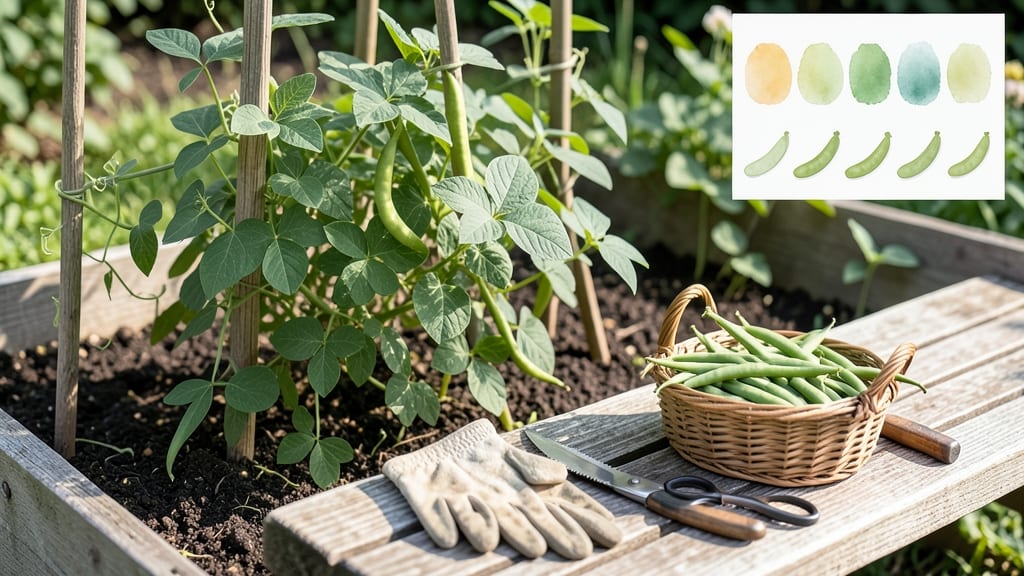
3 Touch-and-sight tests to determine bean harvest readiness
Harvesting beans at the perfect moment transforms your garden from a sea of green to a bounty of crisp, flavorful pods. The key lies in three simple touch-and-sight tests that work for green beans, wax beans, snap peas, and pole beans.
These methods ensure you avoid the common pitfalls of underripe (tough) or overripe (stringy) beans.
First, focus on the pod's firmness. Ready-to-harvest beans should feel firm but slightly yielding when gently squeezed—like a ripe avocado. If the pod feels rock-hard or spongy, it’s not ready yet.
This test works best in the morning, when beans are at their crispest after a night’s rest.
Next, check the seed visibility through the pod’s skin. For most varieties, seeds should be plump but not dominant.
If you can see large, hard seeds pushing against the pod walls, you’ve waited too long. Snap beans are an exception—they’re harvested when seeds are tiny and barely visible, ensuring that signature crunch.
Finally, perform the snap test. Hold a pod between your thumb and forefinger and gently bend it. If it snaps cleanly with a slight crack, it’s ready. A pod that bends without breaking is underripe, while one that snaps too easily (or doesn’t snap at all) is overripe.
This test is especially useful for pole beans, which can vary in maturity even on the same plant.
Pod Firmness Test
Gently squeeze the pod—it should feel firm but yield slightly. Avoid hard or rubbery pods.
Seed Visibility Check
Seeds should be plump but not dominant. Overripe beans have large, hard seeds.
Snap Test
Bend the pod—it should snap cleanly. Underripe pods bend; overripe pods don’t snap.
Color is another clue, though it varies by variety. Most green beans should be a vibrant, even green. Wax beans turn a creamy yellow, while purple beans deepen to a rich hue. Uneven color or pale pods mean the beans need more time.
Pro tip: Harvest on a cloudy day to avoid stressing the plants, and always use clean, sharp scissors or pruners to prevent damaging the vines.
For pole beans, which mature gradually, check the bottom pods first. These tend to ripen slightly earlier than those higher up. If you’re growing dry beans (like pinto or black beans), wait until the pods turn brown and papery before harvesting.
This ensures the seeds inside are fully developed and ready for storage.
Timing is everything when it comes to beans. Harvesting too early means small, bland pods, while waiting too long results in tough, stringy or even shattering pods.
By mastering these three tests, you’ll ensure every bean you pick is at its peak—crisp, tender, and bursting with flavor. 🌱
3 Touch-and-sight tests to determine bean harvest readiness
Harvesting beans at the perfect moment transforms your garden into a flavor factory—crisp, tender pods packed with sweetness. The key lies in three simple touch-and-sight tests that work for green beans, snap beans, and pole beans.
Start by checking the pod size first, as this varies dramatically between varieties.
For bush beans and green beans, aim for pods about 4-6 inches long. If they’re shorter, they’re still maturing—give them another 3-5 days. Meanwhile, pole beans can stretch longer (up to 8 inches), but their thickness should match their variety’s standard.
Always compare to nearby pods—consistency is your best clue.
3 Foolproof Bean Harvest Tests
Color matters too, especially for wax beans or purple varieties. Most green beans should be a deep, even green—no yellowing or browning. Wax beans develop a white coating when ready, while purple beans darken to a rich, uniform hue.
Uneven colors signal stress or poor growing conditions, so address those first.
Pro tip: Harvest in the morning after dew dries but before the sun peaks. This ensures pods are crispest and flavor-packed. Use clean, sharp scissors or pruners to snip stems—never pull pods, which can damage the plant.
For pole beans, work your way up the vine to encourage more production.
Don’t overlook harvest frequency. Check your plants every 2-3 days during peak season—beans left on the vine too long shrivel and lose sweetness. The more you pick, the more your plants will produce, thanks to their self-pollinating nature.
Even a single missed harvest can reduce your total yield by 30%.
Finally, taste-test a few pods when in doubt. The best beans have a crunchy texture and a sweet, earthy flavor. If they taste bland or mealy, they’re past their prime. Trust your palate—it’s the ultimate harvest readiness guide!