
How To
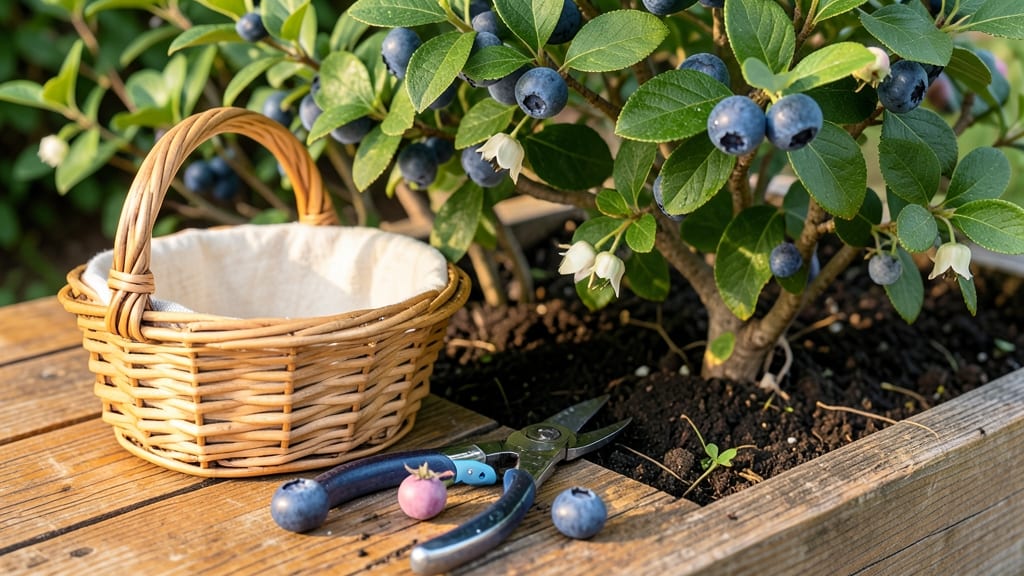
How to know when blueberries are ready to pick can turn a good harvest into a great one—or leave you with underripe, tart berries that fall short of sweet perfection. The difference often comes down to three simple visual cues most gardeners overlook, and mastering them will save you from missed opportunities in your backyard.
If you've ever plucked a blueberry only to find it still hard or mealy, you're not alone. The key lies in understanding the subtle changes in color, texture, and how easily the berry detaches from the stem.
These signs don't just appear overnight—they're a gradual transformation that happens over July and August in most USDA Zone 6 gardens.
I've tested these methods for years, and what works best is a combination of the color test, the stem pull, and even a quick taste check. Once you recognize these signals, you'll never second-guess your harvest timing again.
Let's break down exactly what to look for so you can enjoy that first burst of sweetness at its peak.
Beyond just knowing when to pick, I'll also share how to handle your harvest like a pro—whether you're freezing, baking, or simply enjoying them fresh off the bush. With these tips, you'll transform your blueberry bushes from a seasonal experiment into a reliable source of summer's finest treats.


3 Color-stem tests to identify perfectly ripe blueberries
Blueberries ripen quickly, and picking them at the right moment ensures the best flavor and texture. The key lies in three simple but science-backed tests: the berry color, stem color, and squeeze test.
These visual and tactile cues will help you avoid the common mistakes of picking too early or too late.
First, focus on the berry color. Ripe blueberries turn a deep, rich blue or purple. If they're still red, pink, or a pale blue, they need more time on the bush. This color change is your first green light that the sugars inside are developing properly.
Next, check the stem color. When fully ripe, the stem will turn a lighter shade, often white or pale green. This indicates the berry is ready to detach easily. If the stem is still dark or the berry resists coming off, it’s not quite ready.
Finally, perform the squeeze test. Gently press a berry between your thumb and forefinger. A ripe blueberry will feel firm but slightly soft, almost like a ripe peach. If it’s rock-hard, it’s underripe. If it’s mushy, it’s overripe and past its prime.
Timing is everything when it comes to blueberries. Most varieties ripen between mid-July and early August, but this can vary based on your USDA zone and specific cultivar. For example, early varieties like 'Bluecrop' ripen first, while late varieties like 'Jersey' follow a few weeks later.
If you’re unsure, pick a few berries and taste them. A ripe blueberry will be sweet with a hint of tartness. If it’s overly tart or bland, it’s not ready yet. This taste test is especially useful if you’re dealing with a new variety or an unpredictable climate.
Pro tip: Harvest blueberries on a cool morning after the dew has dried. This ensures the berries are at their firmest and least likely to bruise during picking. Avoid harvesting after rain, as wet berries are more prone to damage and disease.
Once you’ve mastered these three tests, you’ll never miss a perfect blueberry again. The key is to combine visual cues with tactile feedback—your eyes and hands are your best tools in the garden. Happy picking!
🫐🌱
3 Color-stem tests to identify perfectly ripe blueberries
Blueberries ripen quickly, so timing your harvest is everything. The color, stem, and texture of the berry tell you exactly when to pick. Skip the guesswork with these three foolproof tests—no more underripe or overripe mistakes!
The key is watching for deep blue hues and easy detachment from the plant.
First, check the berry color. Ripe blueberries turn a deep blue to purple, almost black in some varieties. Avoid picking if they’re still red or pink—this means they’re not ready yet.
The color change happens fast, so check your bushes every 2-3 days during peak season (usually July-August in most climates).
Next, examine the stem. When fully ripe, the berry will detach easily from the stem with a gentle tug. If it resists, it’s not ready. This test is critical—overripe berries squish and stain your fingers, while underripe ones stay firmly attached.
Pro tip: Hold the berry between your thumb and index finger and twist slightly while pulling down.
Finally, do the 'squeeze test'. A ripe blueberry feels firm but slightly soft, like a ripe peach. If it’s hard, it’s underripe. If it’s mushy, it’s overripe and best eaten immediately. The glossy sheen on the berry is another sign of ripeness—dull berries need more time.
Bonus tip: Pick on a dry morning after dew has evaporated. Wet berries bruise easily and stain your hands. Use a wide-mouth container or basket lined with paper towels to catch berries as you go—this prevents crushing and makes sorting easier.
Once picked, store blueberries in the fridge for up to a week, but eat them as soon as possible for the best flavor!
Now that you’ve mastered the tests, you’ll never miss a harvest again. Grab your basket and enjoy those juicy, sweet blueberries at their peak! 🫐