
How To
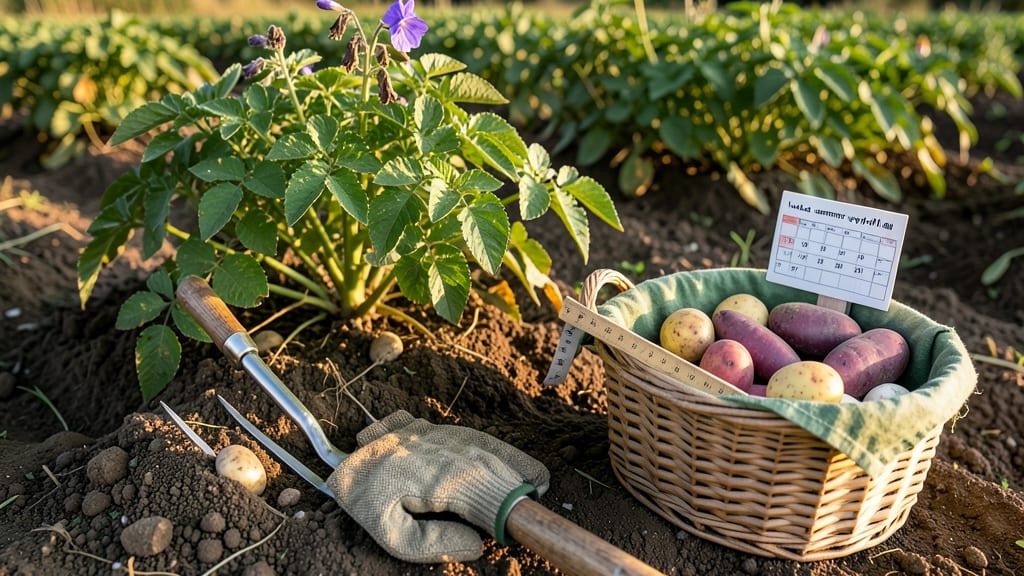
How to know when potatoes are ready to pick can mean the difference between a bountiful harvest and wasted effort. That perfect moment isn't just about waiting for flowers to bloom—it's about reading your plants like a seasoned gardener. Whether you're growing new potatoes for tender bites or storage varieties for later, missing these subtle cues could leave you digging up small, underdeveloped tubers or waiting too long and risking rot.
The key lies in paying attention to both above-ground and below-ground signals. Your 🥔 plants will start showing signs like yellowing foliage or slightly dried stems, but the real test is what's happening underground.
Tubers that resist gentle pressure when squeezed are often ready, while those that feel soft or small need more time. For Zone 6a gardeners like me, timing is everything—especially when spring planting windows close and summer heat sets in.
What many gardeners overlook is that different potato varieties mature at different rates. Some can be harvested as early as 60 days, while others need nearly 120 days to reach full size.
I've learned that digging a few test potatoes when the tops start to yellow is the surest way to avoid guesswork. This method lets you check tuber size and firmness without committing to a full harvest too soon.
In this guide, I'll walk you through the exact visual and tactile clues to look for, plus how to handle your harvest like a pro. By the end, you'll know exactly when to pull those spuds from the soil—whether they're baby-sized gems or full-grown storage potatoes ready for your pantry.
Let's get growing!


5 Clear signs potatoes are ready to harvest (beyond just flowers)
Most gardeners assume potatoes are ready when the flowers bloom, but this rule doesn’t apply to all varieties—especially modern hybrids bred for early harvest. Instead, focus on a mix of foliage changes, tuber firmness, and soil conditions to pinpoint the perfect harvest window.
Ignoring these signs often leads to small, underdeveloped tubers or overripe, rotting potatoes.
I’ve harvested potatoes for over a decade, and the biggest mistake I see is relying on one single indicator. For example, Yukon Golds may flower but still need weeks to reach full maturity, while red potatoes like 'Red Norland' can be ready before blooming.
The key is combining visual cues with physical tests to avoid guesswork.
Here’s how to spot 5 foolproof signs your potatoes are ready—no more waiting too long or digging too soon.
Most varieties signal readiness when 70-80% of leaves yellow and stem flops over. This happens 2-4 weeks before tubers reach peak size. Exception: Early varieties like 'Early Girl' may yellow before full maturity.
Gently press a 1-inch tuber between fingers. If it feels firm but not hard, it’s ready. Squishy tubers need more time; rock-hard ones may be overripe.
Mature potatoes have dry, rough skin. Green skin = exposure to light (toxic solanine); glossy skin = underripe. Russets may still feel fuzzy—focus on firmness instead.
Hot soil (85°F+) causes tubers to sprout or rot. Harvest when temps consistently dip below 80°F—ideal for storage varieties. New potatoes can be harvested earlier, regardless of soil temp.
Check seed packets for days to maturity. Early varieties (60-70 days): 'Red Pontiac', 'Early Rose'. Mid-season (80-90 days): 'Kennebec', 'Yukon Gold'. Late (100+ days): 'Russet Burbank'.
Pro tip: For new potatoes, harvest when tubers are 1-2 inches wide—they’ll be tender and waxy. For storage potatoes, wait until 2-3 inches wide and skin is fully set. I once harvested 'Kennebecs' at 1.5 inches, only to find they sprouted within weeks—a costly lesson!
If you’re still unsure, do a test dig: Gently brush aside soil near the plant base. If you find firm, well-formed tubers (not tiny nubs), your crop is ready. This method also helps avoid accidentally harvesting too early and stunting future growth.
Remember: Overwatering before harvest can cause skin splitting or rotting. Reduce watering 1-2 weeks before digging to let soil dry slightly. I learned this the hard way when my 'Blue potatoes' turned mushy after a heavy rain.
For container-grown potatoes, check readiness by gently tilting the pot to see tubers through drainage holes. If they’re filling the pot and feel firm, it’s time. Containers dry out faster, so monitor soil moisture closely.
Finally, avoid the common trap of waiting for 100% leaf death. By then, tubers may have absorbed too much starch and become starchy or sprouted. Aim for 70-80% yellowing—this balances size and quality.
When to harvest new vs. storage potatoes (and why it matters)
Potatoes aren’t one-size-fits-all when it comes to harvest timing. New potatoes and storage potatoes require completely different approaches—and harvesting them at the wrong time can ruin your crop. New potatoes are harvested young for tender, delicate flavors, while storage potatoes need full maturity to develop thick skins and store well.
Ignoring these differences often leads to either small, underdeveloped tubers or rotting potatoes in storage.
For new potatoes, timing is everything. These are harvested when tubers reach 1-2 inches in diameter, usually 50-60 days after planting. The key is to check for firmness and size—not foliage color.
Storage potatoes, on the other hand, need 90-120 days to mature fully. Waiting too long risks over-mature tubers that crack or rot in storage, while harvesting too early means poor storage life and thin skins.
Soil temperature also plays a critical role. New potatoes thrive when soil temps stay between 60-70°F, while storage potatoes need cooler soil (55-65°F) to develop properly.
If your soil is too warm, tubers may grow unevenly or split. Always check soil conditions alongside visual cues for the most accurate harvest timing.
New vs. Storage Potatoes: Key Differences
| Feature | New Potatoes | Storage Potatoes |
|---|---|---|
| Harvest Time | 50-60 days | 90-120 days |
| Tuber Size | 1-2 inches | 2-6 inches |
| Skin Thickness | Thin, tender | Thick, durable |
| Soil Temp | 60-70°F | 55-65°F |
| Storage Life | 1-2 weeks | 3-6 months |
To test if potatoes are ready, use the gentle squeeze test. Gently press a tuber through the soil—if it’s firm and resists pressure, it’s ready. For new potatoes, dig carefully around the plant’s base to avoid damaging small tubers.
For storage potatoes, wait until foliage yellows and dies back completely, then let tubers cure in the soil for 1-2 weeks before digging to toughen skins.
One common mistake is assuming all potatoes follow the same timeline. Early varieties like 'Yukon Gold' mature faster than late varieties like 'Russet'. Always check seed packets for days to maturity and adjust your harvest schedule accordingly.
Pro tip: Plant a mix of early, mid, and late varieties to enjoy a continuous harvest season.
Remember, the goal is firm, well-formed tubers—not just size. Harvest at the right time, and you’ll enjoy potatoes that are perfect for eating fresh or storing for months. Miss the window, and you’ll end up with either baby potatoes or rotten tubers. The choice is yours! 🥔