
How To
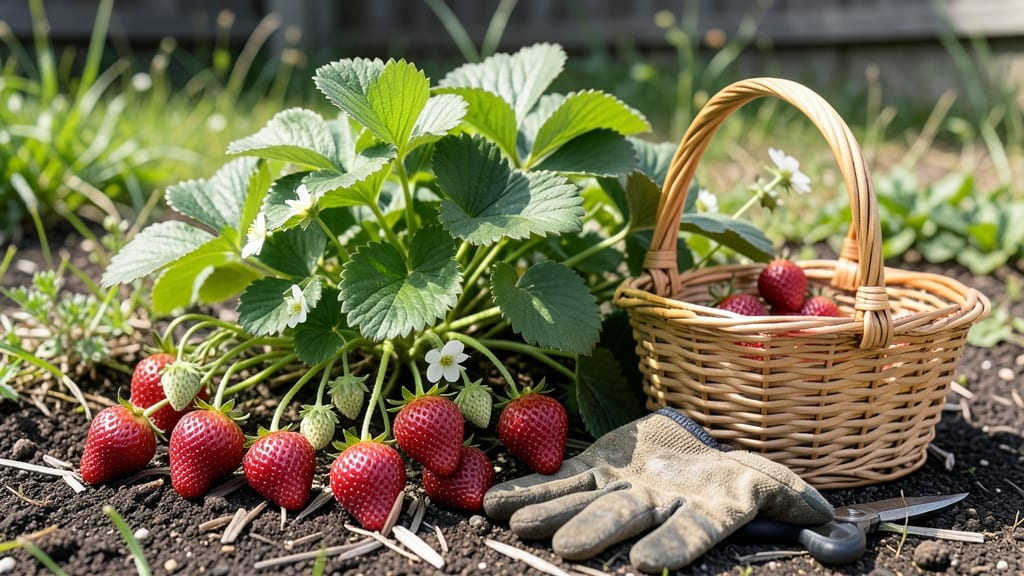
How to know when strawberries are ready to pick can turn a mediocre harvest into a sweet, juicy feast—or leave you with bland, underripe fruit. The difference often comes down to what you look (and feel) for before plucking those 🍓 beauties from the vine.
Most gardeners in USDA Zone 6a know the excitement of late spring and summer harvests, but timing is everything. A strawberry that’s not quite ripe will lack flavor, while one left too long on the plant risks spoiling.
I’ll show you the 5 foolproof tests to nail perfect ripeness every time, so you never miss the sweet spot.
From color changes to subtle texture shifts, these clues will help you avoid common mistakes like picking too early or missing the peak flavor window. Whether you’re harvesting for fresh eating or preserving, mastering these signs means more delicious fruit and fewer wasted berries.
Ready to transform your strawberry game? Let’s dive into the visual and tactile cues that separate perfectly ripe strawberries from the rest—so you can enjoy that summer harvest at its absolute best.


5 Visual clues to identify perfectly ripe strawberries
There’s nothing worse than biting into a strawberry that’s still tart or mealy—peak ripeness transforms these berries into sweet, juicy treasures. The key? Learning to read 5 visual cues that scream "pick me now!" while avoiding the pitfalls of overripe or underripe fruit.
I’ve tested these tricks in my garden for years, and they never fail.
First, color consistency is your best friend. A ripe strawberry should be uniformly colored—whether that’s deep red, golden yellow, or pale white, depending on the variety.
Look for berries where the entire surface (not just the top) matches the variety’s signature hue. Uneven coloring often means the fruit is still maturing.
Next, check the shape and size. Ripe strawberries are plump and symmetrical, not elongated or shriveled. If you see berries that are smaller than a golf ball or oddly shaped, they’re likely not ready. Varieties like Chandler or Seascape should reach about 1.5–2 inches in diameter when ripe.
Don’t overlook the surface texture. The skin of a ripe strawberry should feel slightly smooth with a matt finish—not shiny or waxy. A dull sheen indicates moisture loss, while a glossy look often means the berry is overripe.
Run your thumb gently over the fruit; if it feels slightly powdery, that’s a good sign.
Here’s where many gardeners go wrong: ignoring the cap. The green calyx (the leafy top) should be fully open and dry. If it’s still closed or damp, the berry needs more time.
This is especially true for June-bearing varieties, which ripen all at once and can overwhelm you if you miss this clue.
Finally, compare berries side by side. Ripe strawberries often cluster together on the plant, so pick the most developed ones first. Leave the laggards behind—they’ll catch up in a day or two. Pro tip: Harvest in the morning after the dew dries, when flavors are at their peak.
One mistake I see often is picking strawberries based on size alone. A large berry that’s still green or firm won’t taste sweet—it’s just bigger. Similarly, waiting until every berry is perfectly ripe can lead to overripe fruit, especially in hot weather.
Aim to harvest 70–80% of the crop when it’s at peak ripeness to balance yield and flavor.
Seasonal timing also plays a role. June-bearing varieties (like Jewel) ripen all at once in early summer, while everbearing types (like Albion) produce fruit in two waves: early summer and late summer/fall. Adjust your picking schedule accordingly—don’t assume all berries ripen simultaneously.
If you’re growing white or yellow varieties (like White Soul or Yellow Wonder), the same rules apply, but their ripeness is harder to spot visually. That’s why touch and scent tests (coming next!) become even more critical for these unique types.
Remember: Ripe strawberries don’t get riper off the plant. Once picked, they won’t sweeten further—so when in doubt, leave it on the vine for another day. Your taste buds (and your neighbors) will thank you.
Tactile tests: how to check ripeness by touch and scent
Your fingers and nose are your best tools for determining strawberry ripeness beyond just visual cues. Gently pressing the berry with your thumb is the most reliable tactile test—ripe strawberries should feel slightly soft but not mushy.
Think of it like the difference between a ripe avocado and one that’s overripe.
When you press a ripe strawberry, it should yield slightly to gentle pressure but still maintain its shape. If it feels firm like a green apple, it needs more time on the vine.
On the flip side, if it’s mushy or squishy, it’s past its prime and will spoil quickly.
Scent plays a crucial role too—ripe strawberries emit a sweet, fragrant aroma that’s impossible to miss. Give the berry a light squeeze and bring it close to your nose. If you detect a strong, sweet smell, it’s ready to pick. No scent? It’s not ripe yet.
Here’s a pro tip: Check berries in the morning when temperatures are cooler. This is when their natural sugars are at their peak, making the scent and texture tests even more accurate.
Avoid picking after a hot day, as the fruit can feel softer due to heat stress rather than ripeness.
Twist Test: Gently twist the berry while holding the leaf. If it detaches easily with the stem intact, it’s ready. If the stem snaps off cleanly, it’s still too firm.
Don’t overlook the stem attachment—a ripe strawberry should detach cleanly from the plant with a slight twist. If you have to pull hard or the stem snaps off, the berry isn’t ready yet. This test is especially useful for June-bearing varieties, which ripen all at once.
For everbearing or day-neutral varieties, which produce fruit in multiple flushes, rely on these tactile cues to avoid missing the peak ripening window. These plants often have berries at different stages of ripeness, so checking each cluster individually ensures you don’t overlook the perfect ones.
Finally, remember that weather affects ripeness. After a rainy or humid day, berries may feel softer than usual, but that doesn’t always mean they’re ripe. Combine the touch, scent, and twist tests for the most accurate results every time.