
How To
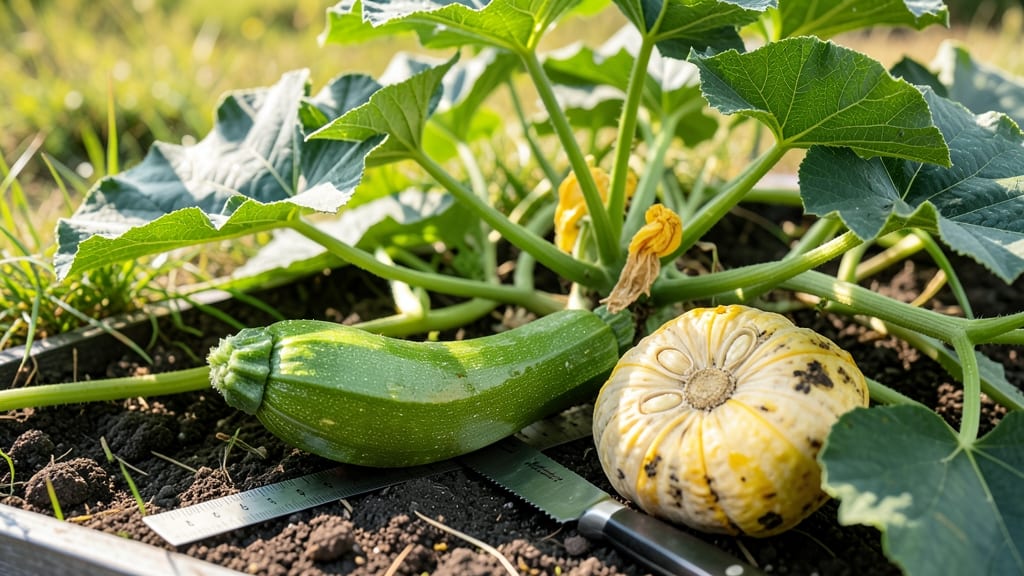
3 Tactile tests to check summer squash ripeness before harvesting
Summer squash—whether you're growing zucchini or yellow squash—reaches peak flavor when harvested at just the right time. The secret? Using your hands and eyes to spot subtle ripeness cues before the squash overmatures.
Unlike winter squash, which stores well, summer squash turns tough and bitter fast once it’s past its prime. That’s why I rely on three simple tactile tests to avoid missing the window.
First, focus on the skin texture. A ripe summer squash should feel slightly tender when you press it gently with your thumb. Think of it like testing a ripe avocado—just enough give to know it’s ready.
If the skin resists pressure or feels rock-hard, it’s not there yet. Overripe squash, on the other hand, becomes spongy or leathery, a clear sign you’ve waited too long.
🌱
Press your fingernail into the squash skin. If it pierces easily (like a ripe cucumber), it’s ready. No give? Wait 1–2 days.
Slice open the blossom end. Seeds should be tiny and pea-sized (not larger than a pencil eraser). Big seeds = overripe and seedy.
Gently twist the stem where it meets the squash. If it snaps cleanly (not pulls), it’s ready. A stubborn stem means it’s not ripe yet.
Don’t overlook the blossom end of the squash—the part where it was attached to the vine. This is your best clue for internal ripeness. Cut open a squash that’s ready, and you’ll see small, pea-sized seeds nestled in a tender, pale flesh.
If the seeds are larger than a pencil eraser or the flesh is fibrous, you’ve missed the boat. Pro tip: Use a serrated knife for cleaner cuts, especially with thicker-skinned varieties like yellow crookneck.
Color alone isn’t enough to judge ripeness—especially for zucchini, which can stay green even when overripe. Instead, combine the skin firmness test with the stem twist test for foolproof results.
I’ve learned the hard way that squash left on the vine too long not only loses flavor but also attracts pests like squash bugs, which lay eggs in the grooves of overripe fruit.
For yellow squash varieties, pay attention to the evenness of color. Ripe yellow squash should be a uniform, vibrant hue—no green streaks or patchy spots. If you’re growing straightneck or crookneck types, aim for a 4–6 inch length before harvesting.
Shorter squash (under 3 inches) often tastes milder but less sweet, while longer squash can become woody.
Harvesting at the right time isn’t just about taste—it’s about encouraging more production. Summer squash plants produce continuously, but they need consistent harvesting frequency to keep blooming.
If you let just one squash grow too large, the plant may shift its energy to seed production instead of new fruit. My rule of thumb? Pick every 2–3 days during peak season to keep the harvest rolling in.
One more pro tip: Use a sharp pruning shear or clean knife to harvest. Avoid tearing the stem, which can damage the plant and create entry points for disease-causing pathogens. Always leave a small stem attachment (about 1 inch) on the squash to prevent rot during storage.
Finally, store harvested squash in a cool, dry place (like a ventilated crate) for up to a week. Never refrigerate summer squash—it turns mealy and loses flavor quickly in cold temps.
With these tactile tests, you’ll never guess again whether your squash is ready. Just feel, twist, and taste your way to perfect summer squash every time!
🌿
3 Tactile tests to check summer squash ripeness before harvesting
Summer squash—like zucchini and yellow squash—reaches peak flavor when harvested at the right moment. Unlike winter squash, which stores well, summer squash must be picked fresh when tender.
The key? Three simple tactile tests that take just seconds to perform. These methods work for all varieties, from straightneck to patio star.
First, focus on the skin texture. A ripe summer squash should feel firm but tender, almost like a ripe cucumber. Press your fingernail into the skin—if it yields slightly (like a ripe avocado), it’s ready.
If the skin resists, it’s too young. Overripe squash becomes hard and woody, ruining its delicate flavor. This test works best on the side of the squash, away from the stem.
Next, check the stem separation. Gently twist the squash at the stem—if it snaps cleanly (not tears), it’s ripe. A stubborn stem means it’s not ready yet. This trick is especially useful for zucchini varieties, which can grow too fast if left unchecked.
Pro tip: Use a sharp knife to avoid damaging the plant when harvesting.
Finally, examine the seed development. Cut open a squash to peek inside—ripe summer squash has small, pea-sized seeds that are soft and pale. If the seeds are large, hard, or dark, the squash has passed its prime.
Overripe squash also develops a grainy texture and bitter taste, making it less enjoyable to eat.
For yellow squash varieties, pay extra attention to color consistency. Ripe yellow squash should be bright and even, not pale or streaky. Zucchini, on the other hand, stays green but darkens as it ripens.
Harvest yellow squash at 4–6 inches and zucchini at 6–8 inches for best results. Overlooking these cues can turn your harvest from tender and sweet to tough and bitter in no time.
Remember, summer squash is prolific—once you master these tests, you’ll enjoy a steady supply of fresh, homegrown squash all season long. Check your plants every 2–3 days during peak production to avoid missing the window. Happy harvesting! 🎃