
How To
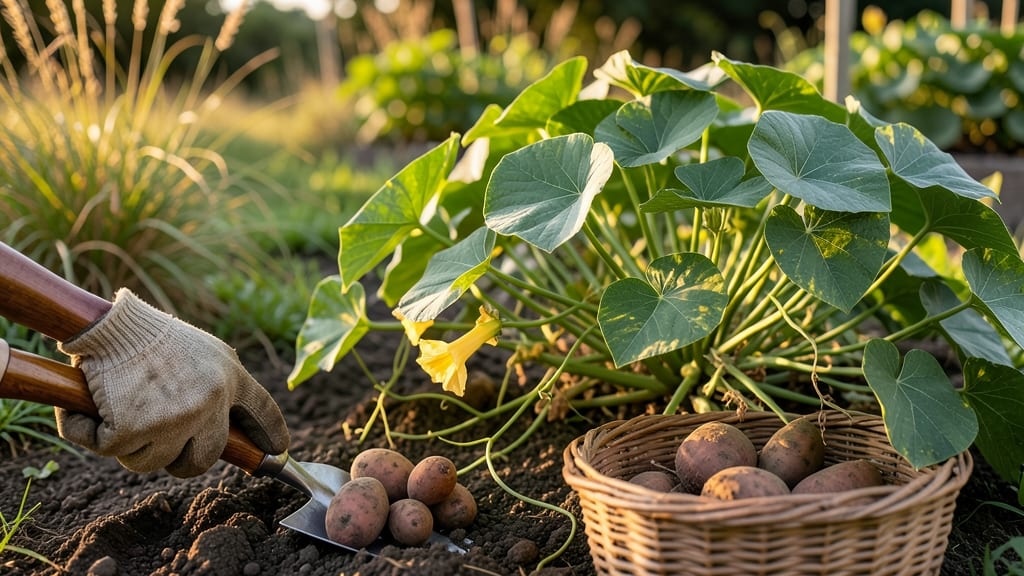
How to know when to dig up sweet potatoes can mean the difference between a harvest of tender, flavorful tubers and a pile of tough, woody rejects. The right timing isn't just about days on the calendar—it's about reading your plants' signals, and missing them often leads to frustration.
Most gardeners wait 90 to 120 days after planting, but that's just the starting point. The real key lies in what's happening above ground: leaves turning yellow, vines dying back, and skin that resists your thumbnail.
I'll walk you through these 4 visual cues that tell you it's time to harvest—before the first frost ruins your crop.
Regional differences matter too, especially in Zone 6a where frost can sneak up fast. Planting after last frost in May-June gives you that critical window, but by late September, you'll need to act quickly.
The good news? These same signs work whether you're in a backyard garden or a small urban plot.
Get this right, and you'll enjoy perfectly sized, sweet-tasting sweet potatoes all winter. Get it wrong, and you'll be left wondering why your harvest didn't live up to expectations. Let's fix that—starting with the first clue your plants give you.
4 Visual cues to identify perfect sweet potato harvest time
Harvesting sweet potatoes at the right time transforms your garden into a treasure trove of fleshy, flavorful tubers. But how do you know when they're ready? The key lies in observing four clear visual cues that signal maturity.
These signs work together like a natural countdown, ensuring you dig up your sweet potatoes when they're at their peak.
First, pay attention to the foliage color. Healthy green leaves mean your sweet potatoes still have time to grow. But when the leaves start turning yellowish-brown and begin wilting, it’s your first clue that harvest time is near.
This change happens naturally as the plant redirects energy from leaves to the tubers below.
Next, check the vines and stems. When they become brittle and snap easily when bent, it’s another sign of maturity. This happens because the plant’s sugars are being pulled down into the tubers, making the stems dry out.
If you see brown, crispy leaves clinging to the vines, your sweet potatoes are likely ready to harvest soon.
-
1. Yellowing Leaves
Leaves turn yellowish-brown and wilt naturally as energy shifts to tubers. -
2. Brittle Stems
Vines snap easily when bent—signals sugar migration to tubers. -
3. Tough Skin
Press a tuber—if skin resists your thumbnail, it’s ready. -
4. Frost Risk
Harvest before first frost (tubers won’t survive freezing).
Don’t overlook the tuber skin texture. A mature sweet potato’s skin will feel tough and resist pressure from your thumbnail. If you press a tuber and the skin doesn’t dent easily, it’s a strong indicator that it’s ready to harvest.
This toughness comes from the thickening cell walls as the tuber matures, which also improves storage life.
Finally, keep an eye on your local frost dates. Sweet potatoes are frost-sensitive, and even a light freeze can damage the tubers still in the ground.
If you’re in a region with early frosts, prioritize harvesting when you see the first signs of yellowing leaves—even if the tubers aren’t at their maximum size. Timing your harvest just before frost ensures you get a good yield without risking spoilage.
Pro tip: If you’re unsure, dig up one or two tubers as a test. Cut them open to check for size and color. If they’re 3-6 inches long with a creamy interior, your sweet potatoes are ready for full harvest.
This hands-on check gives you confidence to proceed with digging the rest of your crop.
Remember, sweet potatoes left in the ground too long become woody and fibrous, losing their sweetness and tenderness. But harvesting too early means small, underdeveloped tubers that won’t store well.
By watching for these four visual cues, you’ll master the art of timing and enjoy a bountiful harvest every season.
Once you’ve confirmed your sweet potatoes are ready, it’s time to dig carefully using a fork or shovel to avoid damaging the tubers. Cure them properly in a warm, humid space for 10 days to develop their sweet flavor and improve storage life.
Your patience in timing will pay off with a harvest that’s both abundant and delicious!
🍠
4 Visual cues to identify perfect sweet potato harvest time
Timing your sweet potato harvest correctly ensures sweet, flavorful tubers instead of tough, fibrous ones. Unlike potatoes, sweet potatoes don't have visible tops that signal readiness—you need to watch for subtle foliage changes and soil conditions that reveal when it's time to dig.
The key is catching them at peak maturity, which typically occurs 90-120 days after planting, but visual cues trump calendar dates every time.
First, focus on the leaves and vines. Healthy sweet potato plants start with lush green foliage, but as they mature, the leaves begin to yellow and die back—this is nature's way of telling you it's harvest time.
The vines may also wilt slightly or develop a brownish tint at the edges. Don't wait until the plant is completely dead, though—harvest when about 50-70% of the foliage has yellowed, as this indicates the tubers are fully developed but still tender.
🌱
Foliage Yellowing
Leaves turn yellow-brown and crisp at edges. 50-70% yellow = ready to harvest.
Skin Toughness Test
Press a thumbnail into the skin. If it doesn't puncture, tubers are mature.
Stem Snap Test
Bend a vine stem. If it snaps easily, tubers are ready for harvest.
Soil Temperature Drop
Harvest before soil temps drop below 50°F (10°C) to prevent tuber damage.
Next, perform the skin toughness test—this is one of the most reliable ways to check maturity. Gently press your thumbnail into the skin of a tuber (you'll need to dig up a few to test). If the skin resists puncture and doesn't dent easily, the sweet potatoes are ready.
Soft, easily pierced skin means they need more time in the ground. Pro tip: Dig near the vine where tubers are most likely to form, as they often grow closest to the plant's base.
Another foolproof method is the stem snap test. Bend a vine stem near the base—if it snaps cleanly (rather than bending), it's a sign the tubers below are fully mature.
This test works because the plant redirects energy from the vines to the tubers as they reach maturity. Pair this with the foliage yellowing cue, and you'll rarely misjudge harvest time.
Finally, watch the weather forecast. Sweet potatoes are frost-sensitive, and even a light frost can damage tubers still in the ground. If nighttime temperatures dip below 50°F (10°C), it's time to harvest—even if the foliage isn't fully yellow.
In regions with short growing seasons, this might mean harvesting slightly earlier than ideal to avoid frost damage. Always have your digging fork or shovel ready once you spot these signs!
🌿