
How To
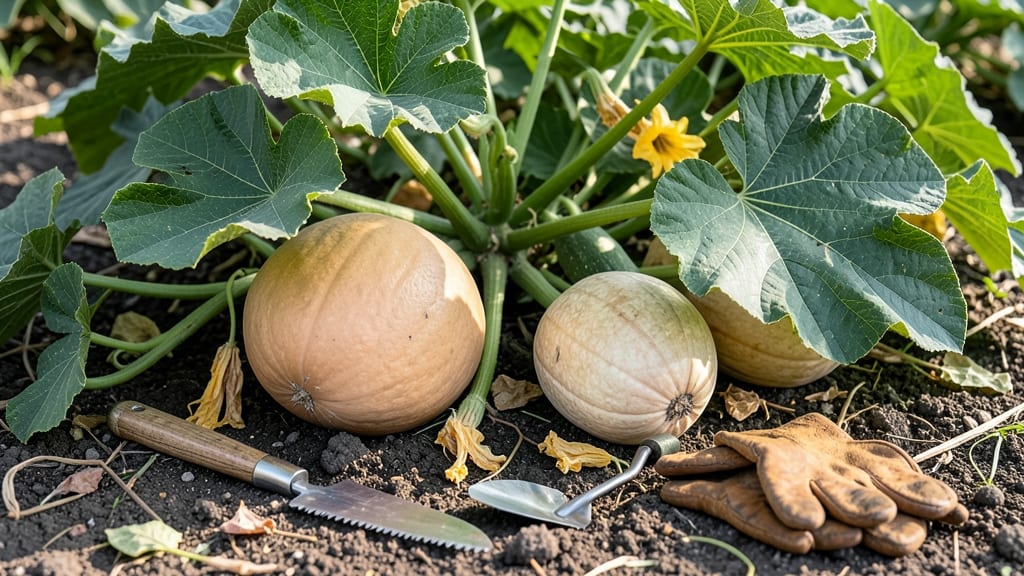
3 Visual signs your butternut squash is ready to harvest
Timing your butternut squash harvest is everything—wait too long, and you risk tough, seedy flesh. Ripeness determines flavor, texture, and storage life. The key lies in three visual cues that tell you when to grab your pruners and harvest.
I’ve watched my own squash go from vibrant green to perfect tan, and these signs never fail me.
First, check the skin color. Immature squash is bright green, but ripe butternut squash develops a tan or beige hue. This color change happens gradually, so monitor your crop every few days in late summer.
The skin should feel hard and papery, not soft or waxy. If it yields slightly to pressure, it’s not ready yet.
Next, examine the stem. A ripe butternut squash stem dries out completely, turning brown and woody. If you gently twist it, it should snap easily rather than bend.
This dryness signals the plant has stopped nourishing the squash, locking in sweetness. Don’t harvest if the stem is still green or pliable—it’s a sure sign of immaturity.
Here’s where many gardeners miss the mark: the fingernail test. Press your fingernail into the rind near the stem. If it leaves a deep mark, the squash isn’t ready. When ripe, the rind should be so hard that your nail barely dents it.
This firmness means the squash’s starches have fully converted to sugars, giving you that creamy, sweet texture we all love.
Don’t overlook the leaves either. As your butternut squash matures, the leaves near the fruit will start to yellow and die back. This is the plant’s way of redirecting energy to the squash.
If the leaves are still lush and green, your squash needs more time. Pro tip: Harvest on a dry morning to let the skin harden before storage.
Climate plays a role here. In cooler regions, butternut squash may ripen more slowly, so watch for these signs even into early fall. Conversely, in hot, dry climates, squash can ripen faster—check weekly.
I’ve seen squash mature in as few as 80 days in desert gardens, while northern gardeners might wait until 100 days.
One common mistake? Harvesting based on size alone. A butternut squash can grow large but still be underripe inside. Always combine size (typically 2-4 pounds) with the visual cues above. For example, a squash might be 3 inches in diameter but still green—wait for the color change.
Finally, consider the seasonal timing. Most butternut squash varieties reach harvest readiness between late September and October, aligning with the first frost dates in many regions.
If you’re in a short growing season, prioritize early-maturing varieties like ‘Waltham’ or ‘Long Island Cheese’ to ensure you catch them at peak ripeness.
Once you’ve confirmed all three signs, it’s time to harvest! Use a sharp knife or pruners to cut the squash, leaving a 1-inch stem attachment. This stem helps the squash cure properly, extending its shelf life.
Store your freshly harvested squash in a cool, dry place for 1-2 weeks to cure before eating or storing long-term.
3 Visual signs your butternut squash is ready to harvest
Butternut squash reaches its peak flavor and storage potential when harvested at the right time. Unlike some squash varieties, timing is everything—wait too long, and you risk overripe squash with tough skin or even seed development.
The good news? Nature gives you clear visual cues to know when your butternut squash is ready to pick.
First, focus on the skin color. Immature butternut squash often stays green or yellow-green. When fully ripe, the skin transitions to a tan or beige hue, especially near the stem. This color change signals the squash has developed its signature sweetness and thick, protective rind.
- 1. Skin Color: Tan/beige (not green)
- 2. Stem Texture: Dry and woody (not green/pliable)
- 3. Rind Firmness: Resists fingernail pressure (no dents)
Next, examine the stem. A ripe butternut squash will have a stem that’s dry, brown, and woody. If you gently twist the stem, it should snap easily—this indicates it’s fully mature. A green, flexible stem means your squash still needs time to ripen.
Finally, perform the fingernail test. Press your fingernail into the squash’s skin. If it doesn’t dent, your butternut is ready. A soft spot means it’s still developing. This test is especially useful for large varieties like 'Long Island Cheese,' where visual cues alone might not suffice.
Pro tip: Harvest on a dry, sunny morning to prevent disease. Use a sharp knife or pruners to cut the stem, leaving a 1-inch stem attachment to extend shelf life. Store in a cool, dry place (50–55°F) for up to 3 months.
Missing these signs? Don’t worry—monitor your squash daily during peak harvest season (late summer to early fall). Patience pays off with squash that’s sweeter, firmer, and longer-lasting.