
How To
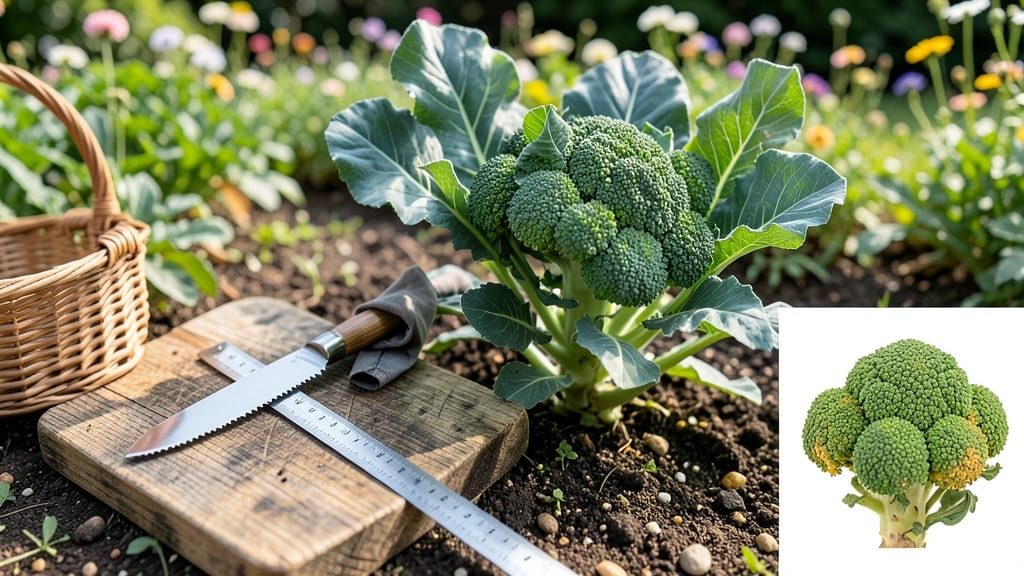
How to know when to pick broccoli can mean the difference between a garden-fresh feast and a bitter disappointment. That perfect moment—when your 🥦 is at its peak flavor and texture—often slips by home gardeners who wait just a day too long. The good news? It’s easier than you think to spot, and I’ll show you the simple tests that take the guesswork out of harvesting.
Most gardeners focus on the florets, but the real clues are hiding in the stem and buds. A firm, dark green head that resists gentle pressure is your first sign, while the buds should still be tightly closed like a compact fist.
Overlook these cues, and you’ll end up with tough, woody stalks or loose florets that taste bland. Let’s break down the three key tests that’ll have you harvesting like a pro.
Timing matters, too—picking too early means sacrificing yield, while waiting too long ruins the flavor. The best part? Once you master these tricks, you’ll not only get the sweetest, crispiest broccoli but also encourage your plants to produce secondary heads for weeks of harvests.
Ready to transform your garden into a crunchy, nutrient-packed powerhouse?
Whether you’re a first-time gardener or a seasoned green thumb, these tips will help you avoid common mistakes and keep your broccoli tasting like it came straight from the farmers’ market. Let’s get started—your next meal is waiting.


3 Visual stem tests to determine perfect broccoli harvest time
Harvesting broccoli at the right moment ensures you get the crispest texture and best flavor. The key lies in three simple visual and tactile tests that reveal when your plants are ready.
These methods—bud tightness, color depth, and the knuckle test—will help you avoid both underripe and overripe florets.
First, focus on the tightness of the florets. Perfect broccoli heads should feel firm and compact, with buds that haven’t started to loosen or spread.
If you see tiny yellow flowers peeking out, it’s past its prime. This bud tightness is your first clue that the broccoli is ready to harvest.
Next, check the color and size of the florets. Ideal broccoli should be a deep green color, not pale or yellowing. The head should measure about 6 to 8 inches in diameter, though some varieties may be smaller.
If the florets are still small or pale, give them a few more days to mature.
The knuckle test is a quick way to gauge maturity. Gently press the main stem near the base of the florets. If it feels thick and sturdy—like a well-developed stalk—it’s ready.
A soft or hollow stem means the broccoli needs more time, while a woody or yellowing stalk signals it’s overripe.
Bud Tightness
Florets should be firm and tightly packed. If buds start to loosen or open, harvest immediately to avoid bitterness.
Color & Size
Look for deep green florets, 6-8 inches wide. Avoid pale or yellowing heads, which indicate overripeness.
Knuckle Test
Press the main stem—it should feel thick and firm. Soft or hollow stems mean it’s not ready.
Timing is everything when harvesting broccoli. The ideal window is typically 50 to 80 days after planting, depending on the variety. For example, Calabrese broccoli usually takes about 60 days, while Romanesco may need closer to 75 days.
Keep an eye on your plants and use these tests to catch them at peak readiness.
Another pro tip: Harvest in the morning when temperatures are cooler. This ensures the broccoli stays crisp and fresh longer. Use a sharp knife or pruning shears to cut the stem about 5 inches below the head.
This leaves room for side shoots to develop, giving you a second chance at harvest.
If you miss the perfect window, don’t worry—broccoli can still be harvested when florets start to open, though the texture and flavor will deteriorate quickly. Overripe broccoli becomes woody and bitter, so it’s better to harvest a little early than too late.
Pay attention to these cues, and you’ll always know when your broccoli is at its best.
For gardeners in cooler climates (USDA Zones 3-6), broccoli often matures earlier in the season, while warmer zones (7-10) may see a longer harvest window. Adjust your timing based on your local climate, but always rely on these visual tests to guide you.
Finally, remember that broccoli plants often produce secondary side shoots after the main head is harvested. These smaller florets can be just as delicious, so don’t toss the plant after the first harvest. With these tests, you’ll maximize your yield and enjoy homegrown broccoli at its peak flavor.
3 Visual stem tests to determine perfect broccoli harvest time
Broccoli reaches its peak flavor and texture at a very specific stage—missing that window means tough, bitter florets. The key lies in three simple stem tests that reveal whether your plants are ready.
I’ve used these methods for years to harvest broccoli that’s crisp, vibrant, and packed with nutrients. The first test focuses on floret tightness, which is the most reliable indicator.
Start by examining the central florets of your broccoli head. When they’re ready, they’ll form a tight, compact cluster where no individual buds are visible.
Think of it like a closed fist—if you can’t see the tiny buds peeking out, it’s not ready yet. Loose florets mean you’ve waited too long, and the head will taste bitter. This test alone cuts my harvest time in half by eliminating guesswork.
- 🔹 Floret Tightness: Buds should form a closed cluster with no visible gaps. (Use your thumb to gently press—if buds stay closed, it’s ready!)
- 🔹 Color Depth: Dark green florets with a slight blue-gray tint (not yellowing). (Pale green = underripe; yellow = overripe)
- 🔹 Stem Firmness: Thick, sturdy stalks that resist gentle pressure. (Soft or hollow stems = past prime)
The second test checks for color depth. Mature broccoli florets should be a deep, vibrant green—almost with a slight blue-gray tint. If the heads are pale green, they’re still growing, while yellowing florets signal overmaturity.
I always compare my broccoli to store-bought heads; the best ones have this rich color. Pro tip: Avoid harvesting in extreme heat, as it can cause premature yellowing.
Don’t overlook the stem test, which reveals the plant’s overall health. Press the stalk gently near the base—it should feel firm and solid, not soft or hollow. A woody or yellowing stem means the broccoli has passed its prime.
This test helps me avoid the disappointment of tough, fibrous stalks. If the stem feels spongy, it’s a clear sign to harvest sooner next time.
Timing matters too—broccoli typically reaches harvest readiness 60-80 days after planting, depending on the variety. I plant Calabrese in early spring and De Cicco in late summer for a staggered harvest.
Always check the seed packet for specific days-to-maturity, but trust the visual tests more than the calendar. They never lie!
Once you’ve confirmed all three tests, it’s time to harvest. Use a sharp knife or pruners to cut the stem about 5-7 inches below the head. This encourages side shoots to grow, giving you a second harvest in 4-6 weeks.
I’ve extended my broccoli season by weeks using this trick—don’t miss out on free extra florets!