
How To
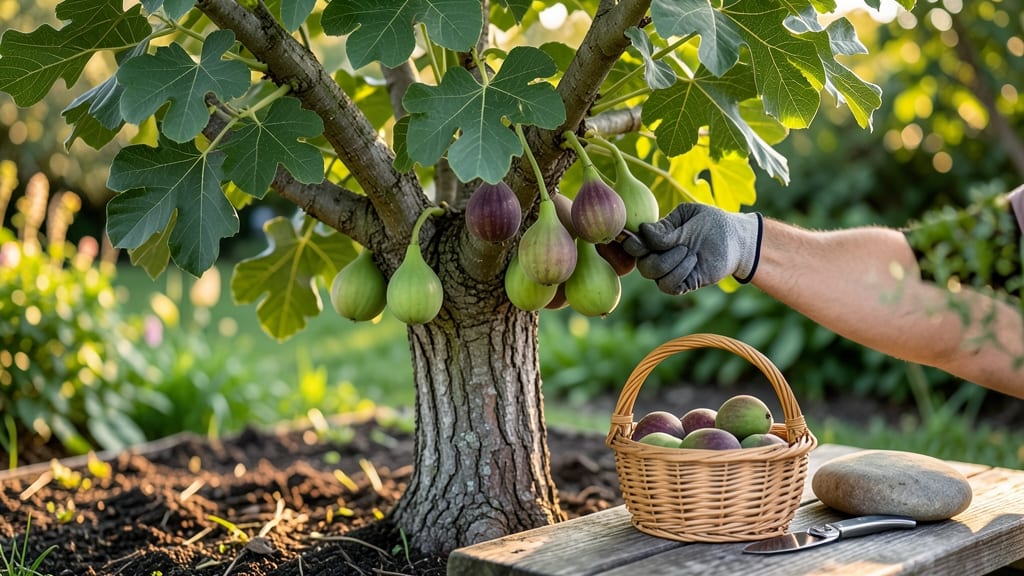
Fig ripeness signs: skin color, size, and stem changes
Figs ripen directly on the tree, so knowing the visual and tactile cues is key to harvesting at peak sweetness. Unlike many fruits, figs don't ripen after picking, so timing matters more than you might think.
The skin color, fruit size, and stem separation work together to signal readiness.
First, observe the color gradient. Most fig varieties develop a distinct hue change from green to yellow, purple, or brown, depending on the type. For example, Brown Turkey figs turn deep purple-brown, while Celeste figs develop a creamy yellow blush.
This color shift indicates the fruit's sugars are converting from starches.
Size matters too—ripe figs reach their full mature size for their variety. A Desert King fig, for instance, should be about 2-3 inches wide when ripe, while smaller varieties like Little Miss Figgy top out at 1-2 inches. Measure against your plant's typical fruit size to avoid overestimating ripeness.
Here’s how these key indicators align for different fig varieties:
The stem separation test is your final check. A ripe fig’s stem will detach cleanly with a gentle twist—no force needed. If the fig resists, it’s not ready yet.
This separation happens because the fruit’s pectin levels drop as it ripens, weakening the bond to the branch. Pro tip: Morning harvests often yield the easiest detachment.
Pay attention to the fruit’s aroma too. Ripe figs emit a sweet, honey-like scent when you brush your hand near them. This fragrance is your final confirmation that the sugars have fully developed. If your figs smell neutral or slightly bitter, they need more time on the tree.
Watch for secondary crops if you’re growing a bearing fig tree. Many varieties produce two harvests per season: the main crop in late summer and a smaller fall crop. The fall figs often ripen faster and may need earlier picking to avoid splitting or bird damage.
Overripe figs become mealy and seedy, losing their sweetness. If you see cracks or splits in the skin, the fig is past its prime. These signs mean the fruit has absorbed too much water or sat on the tree too long. Harvest promptly to avoid wasting your labor!
🌱
Fig ripeness signs: skin color, size, and stem changes
Figs ripen in stages, and knowing the visual cues saves your harvest from becoming overripe or underripe. The first clue is skin color, which shifts dramatically as figs mature. Green figs are unripe, while ripe ones develop vibrant yellow, purple, or brown hues depending on the variety.
For example, Brown Turkey figs turn deep purple-brown, while Celeste varieties develop a golden-yellow tint. Pay attention to size consistency too—ripe figs reach their full size for their variety, typically between 1 to 3 inches in diameter, though some heirloom types can grow larger.
Stem changes are another critical indicator. When ripe, the stem where the fig attaches to the branch will separate easily with a gentle twist. This happens because the fruit’s natural sugars cause the cells to soften and detach naturally—a process called abscission.
| Ripeness Sign | Description | What to Look For |
|---|---|---|
| Skin Color | Variety-specific hue shift | Brown, purple, or yellow (not green) |
| Size | Fully developed for variety | 1–3 inches in diameter |
| Stem Detachment | Natural abscission process | Twists off with gentle pressure |
| Texture | Softness indicates ripeness | Yields slightly when squeezed |
| Aroma | Sweet, fruity scent | Noticeable when ripe |
One common mistake is assuming all figs ripen simultaneously. In reality, figs often ripen in waves, with later crops appearing weeks after the first batch. Keep track of multiple harvest windows—especially if you’re growing multiple varieties—as each may have slightly different ripening timelines.
If you’re unsure, perform a quick taste test on one fig. Underripe figs taste bland or slightly bitter, while overripe ones may be mushy. The sweetest figs are those that yield slightly when pressed but still hold their shape—a balance between firmness and softness.
🌱 Remember, figs don’t ripen further after picking, so harvest them at peak ripeness for the best flavor and texture.