
How To
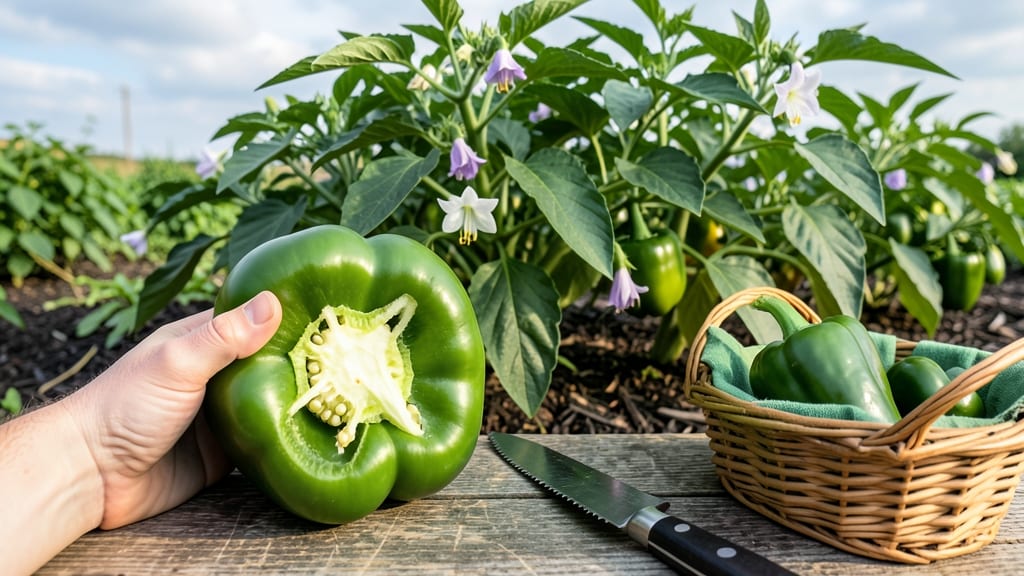
How to know when to pick green bell peppers is the difference between a crisp, flavorful harvest and a mealy disappointment. These vibrant 🌶️ beauties don’t wait forever—miss their window, and you’ll end up with peppers that are either too tough or past their prime.
I’ve learned the hard way that timing matters more than you’d think. A pepper that’s too small might still be bitter, while one left too long on the vine can turn rubbery.
The key? Paying attention to three simple but critical signs that tell you exactly when to reach for those pruners.
In this guide, I’ll walk you through the exact tactile tests to check—size, firmness, and color cues—that guarantee you pick your bell peppers at their peak.
Whether you’re a seasoned gardener or just starting out, these tricks will save you from wasted crops and ensure your kitchen gets the freshest, most flavorful peppers possible.
Ready to master the art of harvest? Let’s dive into the three foolproof ways to know your green bell peppers are begging to be picked—before they’re gone forever.


3 Tactile tests to determine perfect green bell pepper ripeness
Harvesting green bell peppers at the right moment transforms your garden bounty from bland to bursting with flavor. Unlike their red or yellow cousins, green peppers are typically picked before full ripeness for a crisp, tangy bite. The key? Trusting your sense of touch and visual cues over guesswork.
Peppers left too long on the vine lose their crisp texture and develop a tougher, less appealing flesh. Conversely, picking them too soon means underdeveloped walls and a milder taste.
I’ve learned the hard way—overripe peppers in my garden once tasted like rubber, and that’s a mistake no gardener wants to repeat!
Here’s the secret: combine size checks, firmness tests, and stem observations for foolproof results. These three tactile tests will help you harvest peppers that are crisp, juicy, and packed with flavor every time.
Use a ruler to measure length. Peppers under 2 inches are too small for optimal flavor and texture. Ideal green bell peppers typically reach 3-4 inches in length.
Squeeze the pepper lightly. It should feel firm but not rock-hard. If it yields slightly (like a ripe avocado), it’s ready. Soft spots mean it’s overripe.
Look at the stem end. If it’s white or brown, the pepper is mature. A green stem end means it’s not ready—wait a few days and test again.
Pro tip: Harvest in the morning after dew has dried. This ensures peppers are at their crispest, and the skin is less prone to tearing. Use sharp pruning shears or clean scissors to avoid damaging the plant.
Timing is everything, especially in hot climates where peppers can ripen faster. In cooler regions, peppers may take longer to reach ideal size. Pay attention to your local growing season—peppers typically mature 60-90 days after transplanting, depending on the variety.
One common mistake I’ve seen is assuming all green peppers are the same. Some varieties, like ‘Sweet Banana’, stay green but develop sweeter flavors when left longer. Always check the seed packet for specific harvest guidelines tailored to your pepper type.
For extra flavor, let a few peppers ripen fully to red or yellow on the vine. These will be sweeter and perfect for sauces or roasting. But for that classic crisp green bell pepper crunch, stick to the tactile tests above.
Remember, the more you handle your peppers, the better you’ll get at spotting the perfect moment. Happy harvesting—your taste buds will thank you!
3 Tactile tests to determine perfect green bell pepper ripeness
Harvesting green bell peppers at the right time transforms your garden into a flavor factory. The key lies in three tactile tests that reveal when peppers are crisp, juicy, and packed with sweetness.
Unlike ripe red peppers, green ones are best picked while still firm—don’t wait for color changes unless you prefer milder, sweeter varieties.
Start by examining the stem end. A mature green bell pepper will show a white or brown discoloration where it attaches to the plant. This signals the pepper has fully developed its cell structure for optimal texture.
If the stem end remains green, the pepper needs more time to thicken and firm up.
Next, test the skin firmness with gentle pressure. A ripe green bell pepper should feel firm but not hard—like the back of your hand. If it yields slightly or feels soft, it’s overripe and may become rubbery or hollow.
Pro tip: Squeeze lightly near the widest part of the pepper for the most accurate reading.
Size matters too—aim for peppers that are 3-4 inches long with walls at least 1 inch thick. Thin-walled peppers taste hollow and watery. Hold the pepper up to a ruler or your palm (most adults’ palms are ~3.5 inches wide) for a quick size check.
Remember, bigger isn’t always better—some varieties like ‘Sweet Banana’ stay sweet when smaller.
Finally, perform the stem snap test. Grasp the pepper’s stem and bend it gently—it should snap cleanly near the base, not tear or resist. A tough stem means the pepper isn’t fully mature.
This test also helps you harvest without damaging the plant, encouraging more peppers to form. Time your harvests in the morning when peppers are cool and crispest.
Mastering these tests ensures you’ll never pick a pepper that’s too early (bland) or too late (leathery). Once you’ve nailed the tactile approach, you’ll notice how the flavor and texture of your homegrown peppers outshine store-bought every time. Happy harvesting! 🌱