
Tools
Transform scrap materials into sturdy, budget-friendly trellises that give climbing plants the support they need to thrive. These creative DIY solutions prove you don’t need expensive supplies to create a thriving vertical garden.
PVC Pipe Trellis Framework
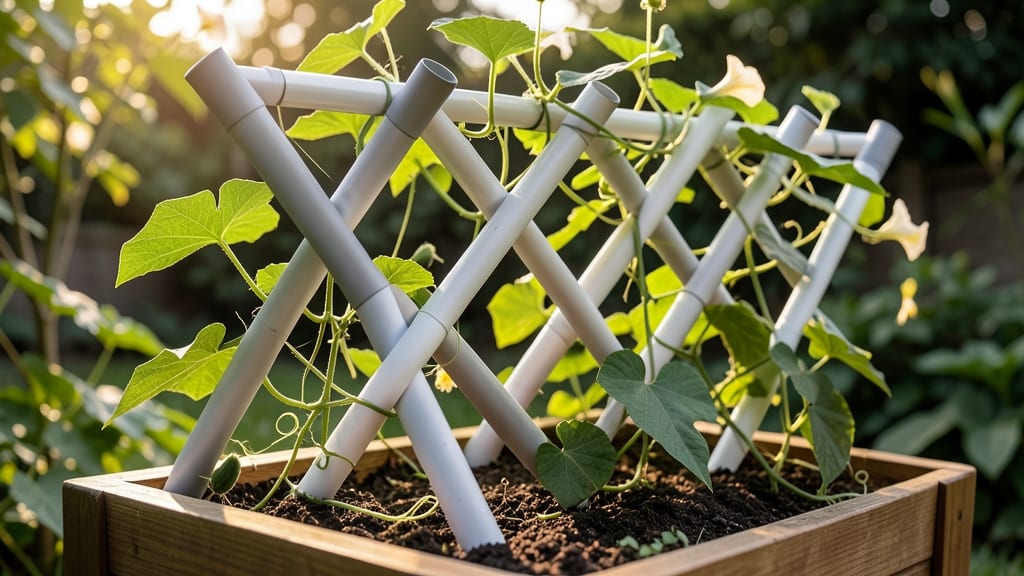
Tired of bulky trellises that clutter your garden? A PVC pipe trellis framework offers a sleek, modular solution that fits seamlessly into containers or small spaces while supporting heavy climbers like cucumbers or morning glories.
Start by cutting 4-6 foot PVC pipes (1-2 inch diameter) into sections for vertical stakes and horizontal crossbars. Use slip connectors to assemble a grid or lattice—no glue or nails needed! For extra stability, anchor stakes with T-posts or bury them 6 inches deep. The pipes won’t rot like wood, and you can paint them to match your garden’s color scheme.
Perfect for urban gardeners or anyone with limited space, this trellis is lightweight, weather-resistant, and endlessly customizable. Swap out sections to adjust height or shape as your plants grow. 🌱
Bamboo Stake Vertical Garden
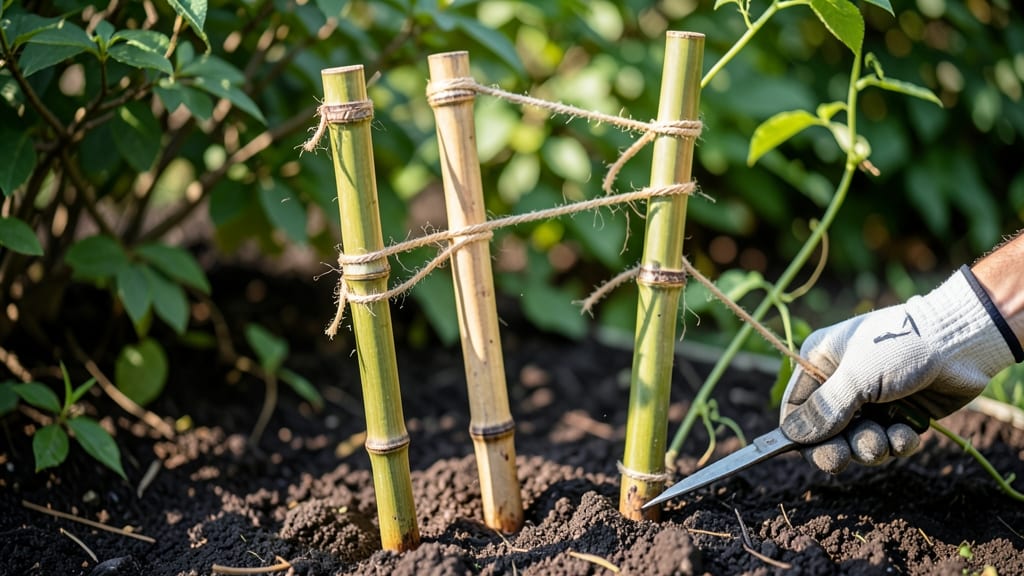
Skip the plastic and metal—your garden’s new trellis can be as natural as the plants it supports. Bamboo stakes and simple twine create a rustic, biodegradable vertical garden that’s perfect for organic growers who want to avoid synthetic materials.
Start by driving 3-4 foot bamboo stakes into the soil in a grid pattern, spacing them 12-18 inches apart. Tie them together with jute or hemp twine to form a sturdy lattice. This system works beautifully for cucumbers, peas, and beans, guiding their growth upward while keeping them off the ground. The stakes break down naturally after 1-2 years, leaving no trace behind.
This method is ideal for gardeners who prioritize sustainability and simplicity. The minimalist look blends seamlessly into any outdoor space while supporting your plants without chemicals. 🌱
Pallet Wood Trellis Lattice
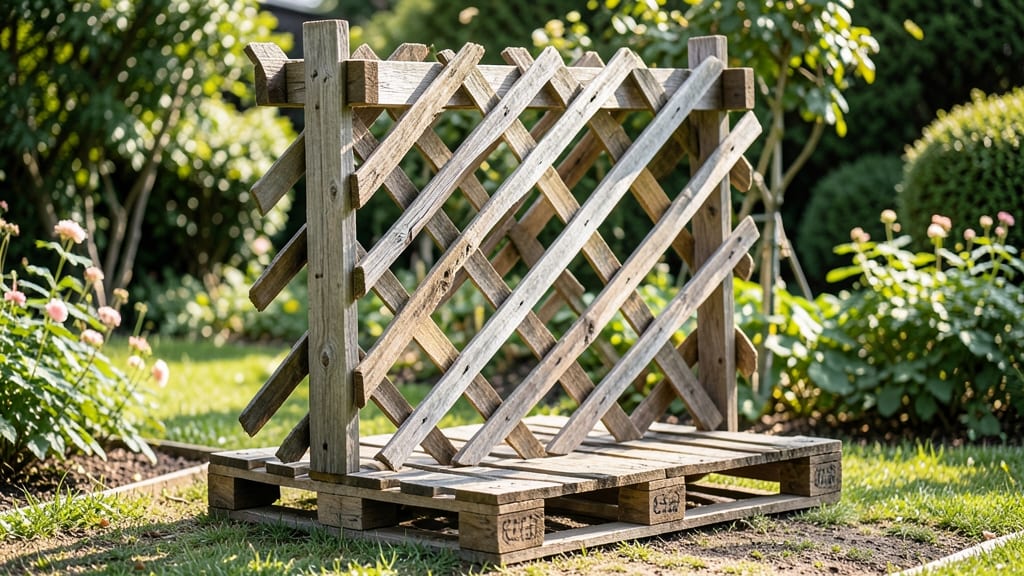
Turn discarded wooden pallets into a sturdy, rustic trellis that elevates your garden’s charm while supporting heavy climbers like climbing roses or morning glories. This project repurposes materials most gardeners already have lying around, saving money and reducing waste.
Start by cutting pallet slats into uniform lattice panels (about 2–3 feet wide) using a handsaw or circular saw. Secure them vertically to a fence or post with rust-resistant brackets or bolts, spacing panels 6–12 inches apart for airflow. For extra durability, seal the wood with a non-toxic stain or paint to protect against weathering.
This trellis is ideal for gardeners who love farmhouse aesthetics or need a large-scale solution for sprawling vines. The lattice design adds texture and depth while keeping maintenance simple—just wipe down the wood annually. 🌻
Wire Mesh Trellis for Heavy Vines
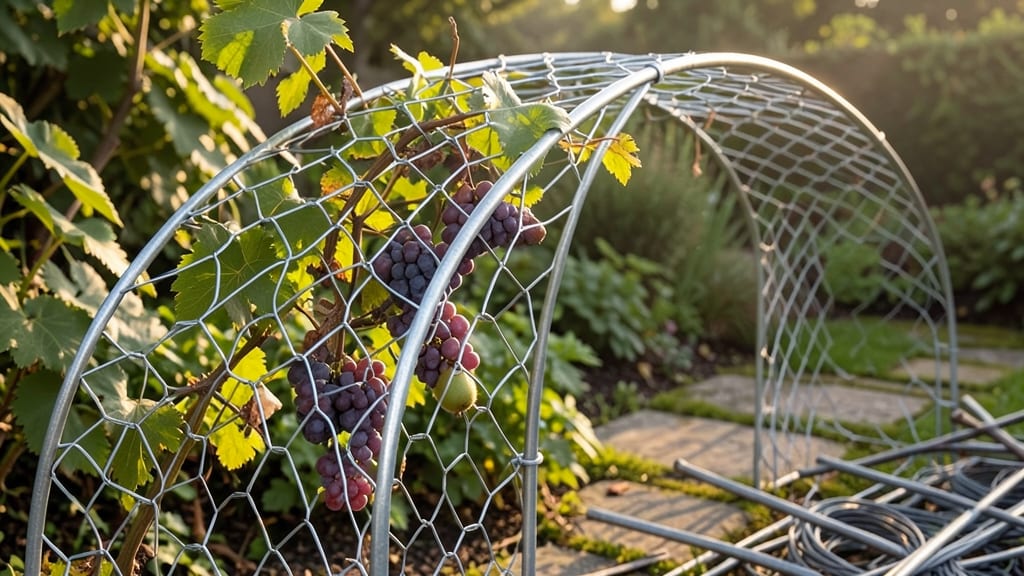
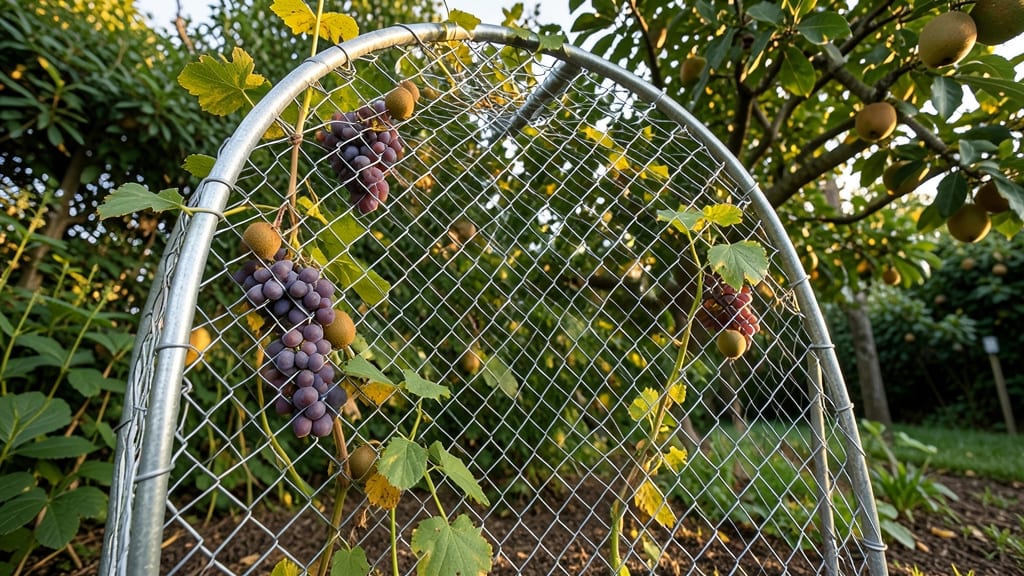
When your garden dreams include heavy vines like grapes or kiwi plants, flimsy trellises just won’t cut it. A galvanized wire mesh trellis—bent into arches or grids—offers the strength and flexibility to handle 20+ pounds of fruit-laden vines while keeping your design clean and functional.
Start with ½-inch galvanized hardware cloth (available at hardware stores for under $20) and bend it into arches using heavy-duty wire or zip ties for support. For grids, attach horizontal wires every 12 inches to create climbing lanes. This trellis resists rust, supports year-round growth, and can be customized to fit any space—whether you’re training muscadine grapes or hardy kiwi vines.
Perfect for large-scale projects or commercial gardens, this trellis is a game-changer for anyone growing heavy climbers without breaking the bank. 💪
Plastic Bottle Trellis System
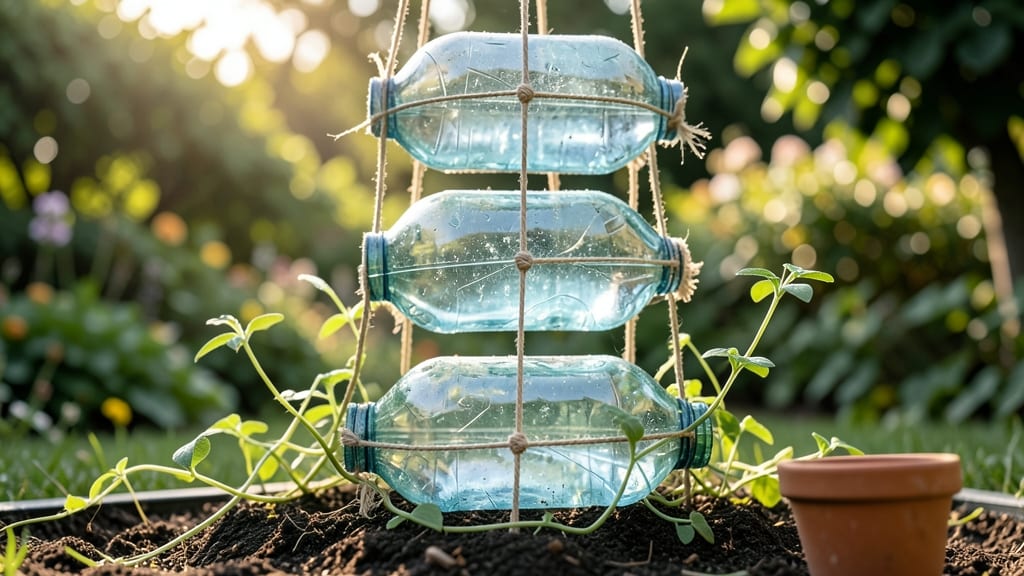
Turn your empty plastic bottles into a water-retentive trellis that doubles as a sustainable garden feature. This clever system is perfect for urban gardeners with limited space, using just a few simple tools and materials you might already have at home.
Slice the bottles horizontally to create rings, then stack and secure them in a grid pattern using zip ties or twine. The sliced edges create natural grooves for vines to climb, while the plastic retains moisture near the roots—ideal for drought-tolerant herbs like basil or thyme. Arrange the trellis in containers or directly in the ground, and watch lightweight vines thrive without heavy materials.
This eco-friendly solution is perfect for balcony gardens or small patios, offering both functionality and a unique aesthetic. Plus, it’s a great way to reduce plastic waste while giving your plants the support they need. 🌱
Branches and Twine Trellis
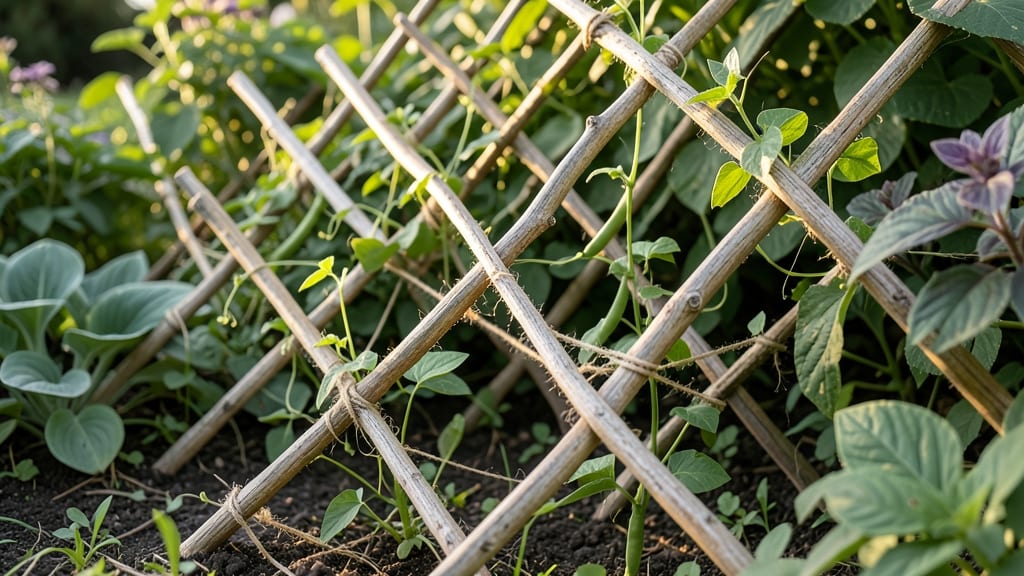
When you need a trellis that disappears at the end of the season, branches and twine create a temporary, zero-waste solution that blends seamlessly into any garden. This method is perfect for quick-growing annuals like pole beans or sugar snap peas, offering support without the commitment of permanent structures.
Simply gather straight, sturdy branches (3-6 feet long) and tie them horizontally between stakes using jute twine or hemp rope, spacing them 6-12 inches apart. The natural texture provides grip for vines while the organic look enhances rustic garden aesthetics. For extra stability, bury the stakes at least 12 inches deep or anchor them with rocks.
This approach is ideal for renters, urban gardeners, or anyone with limited space, as it requires no tools beyond twine and can be assembled in under 30 minutes. The materials biodegrade naturally, leaving no trace when it's time to rotate crops. 🌱
Chicken Wire and Stakes Trellis
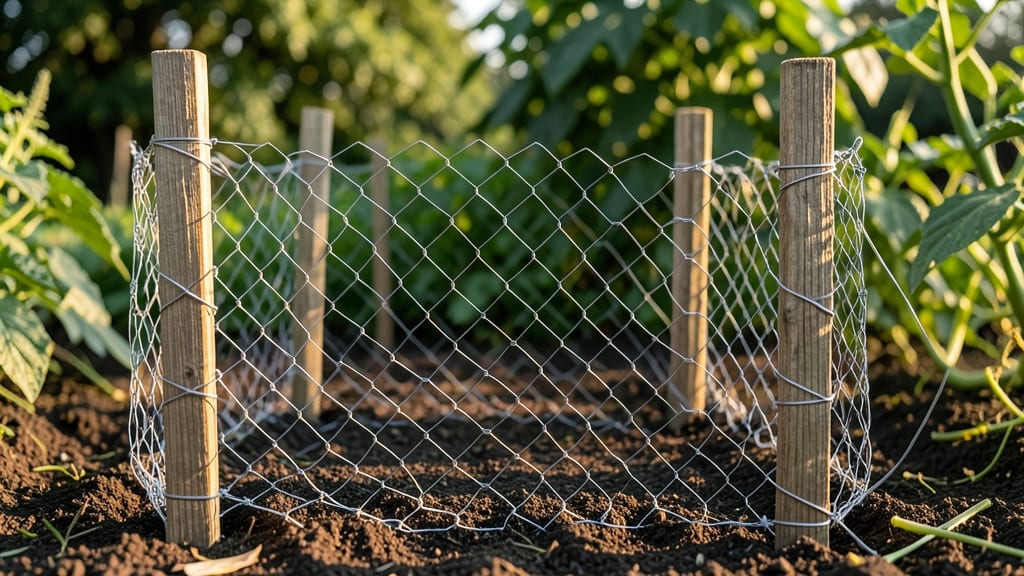
Need a customizable, budget-friendly trellis that can handle everything from heirloom tomatoes to sprawling zucchini? Chicken wire wrapped around wooden stakes delivers the perfect solution—with minimal materials and maximum versatility.
Start by driving 4-foot wooden stakes into the ground 12-18 inches apart, then wrap chicken wire tightly around them in a spiral or grid pattern. For taller plants, add more stakes and extend the wire upward. The mesh provides support for heavy vines while allowing airflow to prevent disease. You can even bend the wire into arches or tepees for decorative shapes.
This method is ideal for beginner gardeners or those with limited funds, offering durability without the cost of pre-made trellises. Plus, the rustic look blends seamlessly into any garden style. 🌱