
Blooming
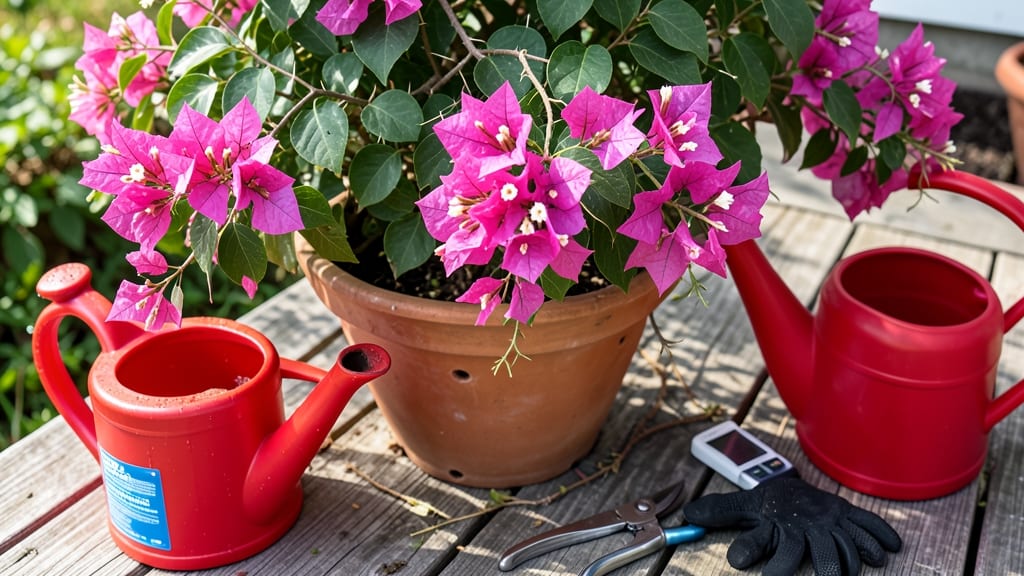
How to make your bougainvillea bloom in pots—those bright pink bracts should be the star of your patio—but if they’re not blooming, sunlight’s the first culprit. 🌿 I’ve nursed back three stubborn potted plants by fixing just two things: light exposure and pruning timing. The rest is simple adjustments that transform a sparse vine into a flowering powerhouse.
Most people overlook that bougainvillea needs 6+ hours of direct sun daily—even in partial shade, they’ll stretch and refuse to bloom. Move your pot closer to a south-facing window or balcony, and pair that with balanced fertilizer every 4-6 weeks.
Prune right after blooming to encourage new growth, but never cut into old wood—it won’t regrow.
Within 8-12 weeks, you’ll see a surge of new growth with those signature blooms popping up. The key is consistency: no sudden moves in shade, no skipping fertilizer, and no heavy pruning in winter.
Your pot should also have drainage holes—root rot kills blooming potential faster than lack of sun.
Works for both dwarf varieties and climbing types, even in small spaces. The secret’s patience: bougainvillea rewards steady care with months of vibrant color. Let’s get those bracts popping!
📚 In This Guide
- What you need
- Instructions
- Tips and common mistakes
- Wrapping up and next steps
What you need
- ● Bougainvillea plant: Choose a healthy, mature plant (preferably Bougainvillea spectabilis or Bougainvillea glabra for potted success).
- ● Pot: A well-draining container (12–18 inches in diameter) with drainage holes. Terracotta or ceramic pots work best to regulate moisture.
- ● Potting mix: 1 part cactus/succulent mix + 1 part perlite or coarse sand (for aeration). Avoid heavy garden soil!
- ● Fertilizer: Balanced liquid fertilizer (10-10-10 or 20-20-20), diluted to half-strength.
- ● Low-phosphorus fertilizer (e.g., 5-10-10) during blooming season to avoid leafy growth over flowers.
- ● Pruning shears: Sharp, clean shears (sterilize with rubbing alcohol between cuts).
- ● Watering can or hose with nozzle: For deep but infrequent watering.
- ● Slow-release fertilizer granules (e.g., Osmocote) for steady nutrition.
- ● Mulch (gravel or pebbles): To retain heat and deter weeds around the pot.
- ● pH test kit: To check soil acidity (ideal range: 6.0–7.0).
- ● Support stake or trellis: If your bougainvillea grows leggy (great for vertical gardens!).
- ○ Epsom salt (magnesium sulfate): 1 tbsp/month in water to boost blooms (optional but effective!).
Step-by-Step instructions for encouraging bougainvillea blooms in containers
Here’s how I coax vibrant, continuous blooms from potted bougainvillea—no matter your climate.
☀️ Step 1: Position for Maximum Sunlight Exposure
Bougainvillea thrives on at least 6-8 hours of direct sunlight daily, but I’ve found that full sun (10+ hours) triggers the most prolific blooms. Place your pot in the brightest, most sheltered spot—south-facing patios or balconies work best in northern climates, while east or west exposures suit southern regions. If you’re in a shaded area, supplement with a high-intensity grow light for 12-14 hours daily.
Watch for leaf scorch (brown edges) if sunlight is too intense—this means you need to gradually acclimate the plant to full sun over 7-10 days. Morning sun with afternoon shade works well in extreme heat. The key is consistent brightness; bougainvillea blooms fade when light drops below 6 hours.
💧 Step 2: Master the Watering Balance
Overwatering is bougainvillea’s biggest enemy—it causes root rot and dropped buds. Let the top 2-3 inches of soil dry completely between waterings, then soak the pot until water drains freely from the bottom. I use the "finger test" daily in summer: if the soil feels dry 1 inch below the surface, it’s time to water. In winter, reduce watering to every 10-14 days—blooms slow down naturally when days shorten.
Use well-draining potting mix (sandy loam works best) and ensure your pot has drainage holes. If you notice yellowing leaves or wilting, it’s a sign of overwatering. Bougainvillea is drought-tolerant once established—underwatering is preferable to soggy roots. Mulch the soil surface with 1 inch of gravel to retain moisture without suffocating roots.
✂️ Step 3: Prune Strategically for More Blooms
Pruning isn’t just about shaping—it’s how you force new growth and trigger more flowers. After the first flush of blooms fades, cut back stems by ⅓ to encourage bushier, denser growth. Use clean, sharp pruners and make cuts just above a leaf node (the bump where leaves attach). Avoid cutting into old wood—new growth emerges from current season’s stems.
For year-round blooms, I prune lightly every 6-8 weeks to maintain shape and stimulate fresh flowers. If your bougainvillea looks leggy, it’s a sign it needs hard pruning (cutting back to 12-18 inches from the base) in early spring. Deadhead spent blooms weekly to redirect energy into new flowers. The rule is: More leaves = fewer blooms, so prune to balance foliage and flowers.
🌿 Step 4: Feed for Continuous Color
Bougainvillea is a heavy feeder, but timing matters. Use a balanced, water-soluble fertilizer (10-10-10 or 20-20-20) every 2 weeks during active growth (spring through fall). Dilute it to half-strength to avoid burning roots. I switch to a low-phosphorus fertilizer (5-10-10) when buds form to prevent excessive leaf growth at the expense of flowers.
In winter, stop fertilizing entirely—the plant rests. If you notice small leaves or weak stems, it’s a sign of over-fertilizing. Flush the soil with plain water after each feeding to prevent salt buildup. A slow-release granular fertilizer applied in early spring can also work, but monitor the plant’s response—too much nitrogen = lush leaves, no blooms.
⏰ Step 5: Adjust for Seasonal Changes
Bougainvillea blooms best in warm weather, but with the right adjustments, you can extend the season. In spring, move pots to warmer locations (like near a sunny wall) to speed up growth. If frost threatens, bring containers indoors to a bright, cool spot (50-60°F) and reduce watering. Resume outdoor placement when nighttime temps stay above 55°F.
For winter blooms in mild climates, I keep the plant in bright, indirect light and maintain moderate watering. If buds form but don’t open, it’s likely due to low light or cold drafts. In hot summers, provide afternoon shade to prevent stress—heat stress causes buds to drop. The goal is to mimic the plant’s natural tropical environment: warm days, cool nights, and plenty of light.
Tips & tricks for perfect bougainvillea blooms in containers
These sunlight secrets will help you transform your bougainvillea from a leafy green bush into a vibrant, nonstop blooming beauty—even in less-than-ideal conditions.
Light Intensity Matters: When supplementing with grow lights in Step 1, position them 12-18 inches above the plant for optimal light penetration. I’ve found that LED grow lights with a 6500K color temperature mimic natural sunlight best. Place them on a timer for 12-14 hours daily to maintain consistent light exposure, which is crucial for triggering those bright pink and purple blooms. The key is replicating the plant’s native tropical environment where it receives intense, unfiltered sunlight.
Pruning Precision: In Step 3, when you’re cutting back stems by ⅓, focus on removing the outermost growth that’s furthest from the center. This encourages new shoots to emerge from the inner stem, creating a denser, bushier plant with more blooming sites. I always use sterilized pruners to prevent introducing diseases through open cuts. The every 6-8 weeks maintenance pruning schedule keeps the plant compact and stimulates continuous flowering—don’t skip this step if you want year-round color.
Fertilizer Timing Strategy: The 2-week feeding schedule in Step 4 works wonders, but I’ve discovered a simple trick to maximize blooms: alternate between your regular balanced fertilizer and a low-phosphorus formula (5-10-10) when you notice buds forming. This phosphorus reduction prevents the plant from prioritizing leaf growth over flowers. Always apply fertilizer in the morning when the plant can absorb nutrients before the heat of the day. The half-strength dilution is non-negotiable—concentrated fertilizer burns roots and stresses the plant, which directly impacts bloom production.
Seasonal Transition Tactics: When adjusting for seasonal changes in Step 5, pay special attention to the 55°F nighttime threshold—this is when bougainvillea starts to experience stress. If you’re in a frost-prone area, move your pots to a sunny indoor spot near a south-facing window and reduce watering by half. The 50-60°F indoor temperature range keeps the plant dormant but healthy until spring. In summer, that afternoon shade becomes critical—it prevents the heat stress that causes buds to drop before they open. Think of it as creating a microclimate that mimics the plant’s natural tropical environment where it experiences warm days and cooler nights.
Pro Tips for Make Bougainvillea Bloom In Pots
- These sunlight secrets will help you transform your bougainvillea from a leafy green bush into a vibrant, nonstop blooming beauty—even in less-than-ideal conditions.
- Light Intensity Matters: When supplementing with grow lights in Step 1, position them 12-18 inches above the plant for optimal light penetration.
- Pruning Precision: In Step 3, when you’re cutting back stems by ⅓, focus on removing the outermost growth that’s furthest from the center.
Frequently asked questions
Got more questions about coaxing vibrant blooms from your potted bougainvillea? Here are answers to the most common ones—so you can enjoy that nonstop color without the guesswork!
Why isn’t my bougainvillea blooming even though it’s in full sun?
Bougainvillea thrives in bright, direct sunlight (6+ hours daily), but blooms can still lag due to over-fertilizing (too much nitrogen = leafy growth, not flowers), underwatering, or pot-bound roots. Try a balanced bloom booster fertilizer (like 10-10-10) and check drainage—root stress can trigger blooms!
How long does it take for bougainvillea to bloom after pruning?
With proper care, you’ll see new buds in 4–8 weeks after pruning (or even sooner in warm climates). Prune in early spring for best results—just avoid cutting into old wood (it won’t regrow). Patience pays off: bougainvillea rewards timely pruning with bold, continuous blooms!
Can I make bougainvillea bloom indoors near a sunny window?
Indoor blooming is possible but tricky—bougainvillea needs intense light (south-facing window or grow lights) and dry soil (overwatering = no flowers). If your pot stays damp or lacks light, opt for a sunny patio or balcony instead. Pro tip: Rotate the pot weekly for even growth!
Will bougainvillea bloom in winter if I keep it warm?
Bougainvillea hates cold drafts but loves warmth—keep it above 50°F (10°C) and in bright light to encourage winter blooms. If your home is dry, mist leaves occasionally or use a humidity tray. Just avoid sudden temp swings (like near heat vents), which can stress the plant and delay flowers.
What should I do if my potted bougainvillea only has leaves and no flowers?
Leafy growth (no blooms) usually means too much nitrogen or lack of sunlight. Switch to a phosphorus-rich fertilizer (like 5-10-5) and move it to a sunnier spot. Also, pinch back tips to encourage branching—this tricks the plant into focusing on flowers instead of just foliage!
Can I reuse the same potting mix year after year?
Not ideal! Bougainvillea depletes nutrients quickly. Refresh the top 2–3 inches of soil annually with cactus/succulent mix or add slow-release granules. If roots are circling, repot into a slightly larger container (just 1–2 inches bigger) to avoid overwatering issues.
Wrapping up and next steps
With the right care—like plenty of sunlight, well-draining soil, and pruning for shape—your potted bougainvillea can burst into vibrant blooms all season long! 🌸 Remember, patience and consistency are key, but the reward of those stunning, papery flowers is worth every effort.
Now that you’re armed with these sunlight secrets, grab your pruners and get ready to transform your balcony or patio into a riot of color. Happy gardening! 🌞