
Neem Oil
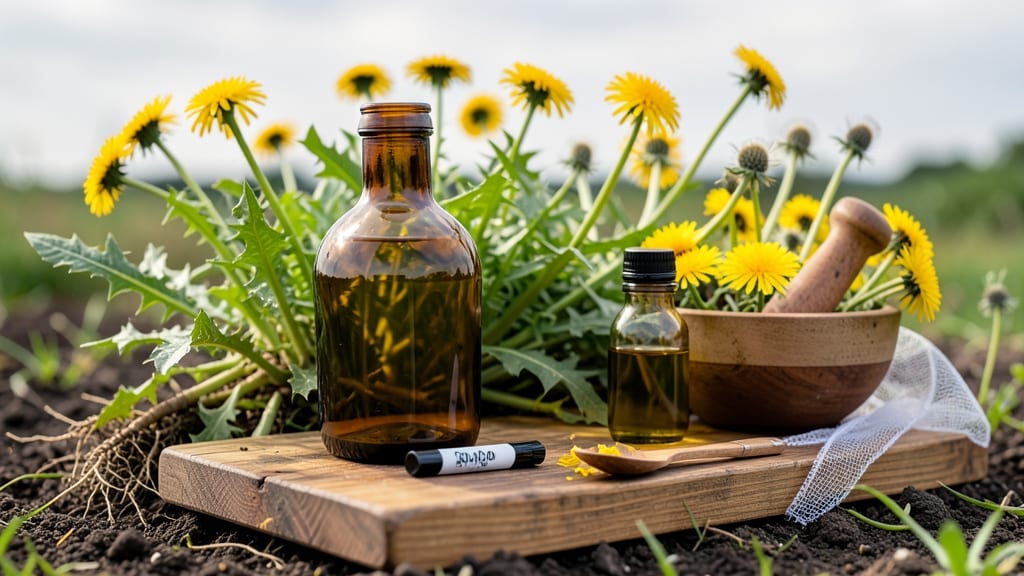
Dandelions aren’t just weeds—they’re flavor goldmines waiting in your yard. 🌻 Making dandelion-infused oil turns those bright yellow blooms into a versatile garden treasure, perfect for dressings, skincare, or even homemade balms. The process is simpler than you’d think, and it starts with the right harvest.
First, forage for pesticide-free dandelions—look for vibrant petals in organic gardens or pesticide-free lawns. Clean them thoroughly, then dry the petals completely (spread them on a towel or use a dehydrator).
Choose a high-quality oil like olive or avocado oil; they infuse beautifully and last longer. This step keeps your oil fresh and potent for months.
Sunlight does the magic, but slow methods work too. Place dried petals in a clean jar, cover with oil, and let it sit in direct sun for 2-4 weeks (stir daily). For speed, use a slow cooker on low for 2-3 hours instead.
Strain through cheesecloth, store in a dark bottle, and refrigerate—your garden’s bounty is now ready to elevate everything from salads to skincare routines.
This oil is a gardener’s secret weapon: use it as a salad dressing base, a natural skin brightener, or even as a base for homemade balms. The best part? You’re turning "weeds" into something useful—no waste, just rewards. Ready to try?
📚 In This Guide
- What you need
- Instructions
- Tips and common mistakes
- Wrapping up and next steps
What you need
- ● Dandelion petals: 1 cup (fresh, organic, and pesticide-free—aim for 50-60 petals per cup). Pro tip: Harvest petals on a dry, sunny morning for maximum potency!
- ● Carrier oil: 1 cup (choose one: olive oil, avocado oil, or sunflower oil for a neutral base). Best pick: Extra-virgin olive oil for a robust, flavorful infusion.
- ● Glass jar: 1 quart-sized mason jar (with a tight-sealing lid) to preserve freshness and block light.
- ● Fine-mesh strainer or cheesecloth: For filtering out petals after infusion.
- ● Dark glass bottle or jar: For storage (amber or cobalt glass protects the oil from light degradation).
- ● Small funnel (to avoid spills when transferring oil).
- ● Label and marker (to track infusion dates and ingredients).
- ● Food dehydrator or oven (if you want to dry petals first for a more concentrated flavor).
- ● Essential oil (e.g., lavender or citrus) for a signature scent—just 2-3 drops!
Tips & tricks for perfect dandelion infused oil
Transforming humble dandelions into fragrant oil is simpler than you'd think—here's how to get the most vibrant, flavorful results every time.
Petal Selection: Harvest petals only on dry mornings when they're fully open and bright yellow. Avoid any with dirt, bugs, or brown edges—these can make your oil bitter or cloudy. I've found that picking petals right after a light rain actually enhances their flavor, as they're naturally cleaner and more aromatic.
Temperature Matters: That 120°F warm oil is crucial—it's hot enough to extract flavors without cooking the petals, which would turn your oil bitter. Use an instant-read thermometer to monitor the temperature precisely. If your oil feels too hot to touch for more than a second or two, it's too warm. Let it cool to room temperature before adding petals to avoid shocking them.
Sunlight Strategy: For the 2-3 week infusion, place your jar in indirect sunlight—think morning sun or filtered light from a sheer curtain. Direct afternoon sun can overheat the jar, causing the oil to spoil faster. I've had the best results with jars on an east-facing windowsill where they get gentle morning light all day. Rotate the jar every few days to ensure even exposure.
Storage Wisdom: Once strained, store your oil in a dark glass bottle (amber or cobalt) to protect it from light, which can degrade the delicate flavors. The 6-month shelf life assumes proper storage—keep it in a cool pantry or fridge. If you notice any off smells or cloudiness, it's time to make a fresh batch. A small amount of oil on top is normal, but if it looks murky or smells funky, compost the batch.
Pro Tips for Make Dandelion Infused Oil
- Transforming humble dandelions into fragrant oil is simpler than you'd think—here's how to get the most vibrant, flavorful results every time.
- Petal Selection: Harvest petals only on dry mornings when they're fully open and bright yellow.
- Temperature Matters: That 120°F warm oil is crucial—it's hot enough to extract flavors without cooking the petals, which would turn your oil bitter.
Frequently asked questions
Got questions about crafting your own dandelion-infused oil? You’re not alone! Here are answers to the most common queries—because even the best chefs need a little troubleshooting now and then.
Can I use store-bought dandelion greens instead of fresh flowers?
Fresh dandelion flowers are ideal for infusion—they’re packed with vibrant flavors and therapeutic compounds. Store-bought greens (often bitter) won’t yield the same delicate, honey-like sweetness. If you’re set on greens, try young, tender leaves, but expect a milder result. Pro tip: Harvest flowers on a dry morning for maximum potency!
How long does dandelion-infused oil last, and how should I store it?
With proper care, your infused oil will last 6–12 months in the fridge. Transfer it to a dark glass bottle (like an amber jar) to block light, which can degrade the oil. For extra shelf life, add a pinch of vitamin E oil (a natural preservative). Never store it at room temperature—heat speeds up spoilage.
What’s the best oil to use for infusion?
Light, neutral oils work best: olive oil, avocado oil, or sunflower oil are top picks. Olive oil adds a subtle richness, while sunflower oil stays lighter. Avoid coconut oil—it solidifies at room temp, making extraction tricky. For a budget-friendly option, try refined oils, but cold-pressed is best for flavor and nutrients.
My oil smells weird after infusion—what went wrong?
If your oil develops a rancid, sour, or ammonia-like smell, it’s likely spoiled. Causes? Moisture in the flowers, improper storage, or leaving it too long in the sun. Start over with dry flowers and refrigerate immediately after infusion. For a quick check, smell the oil—if it’s off, toss it. Safety first!
Can I speed up the infusion process?
While sun-infused oil is traditional, you can accelerate the process with a low-heat method: Gently warm the oil in a double boiler for 1–2 hours, then strain. However, this risks losing some delicate floral notes. For best results, stick with sunlight (2–4 weeks) or a slow cooker (4–6 hours on low) for a balance of speed and flavor.
Wrapping up and next steps
You’ve now unlocked the secret to crafting golden, dandelion-infused oil—a versatile, sun-kissed treasure for your kitchen, skincare, or wellness routine! 🌼 With just a few simple steps and patience, you’ve transformed humble dandelions into a nutrient-rich elixir.
Whether you’re a seasoned infuser or a beginner, this process proves that nature’s bounty is always within reach.
Ready to elevate your creations? Try experimenting with your infused oil:
- Drizzle it over salads for a floral twist.
- Blend it into homemade lotions or balms.
- Share it with friends—homemade gifts are always loved!
Now, go forth and infuse more joy (and flavor!) into your life. Happy crafting! ✨