
Plants
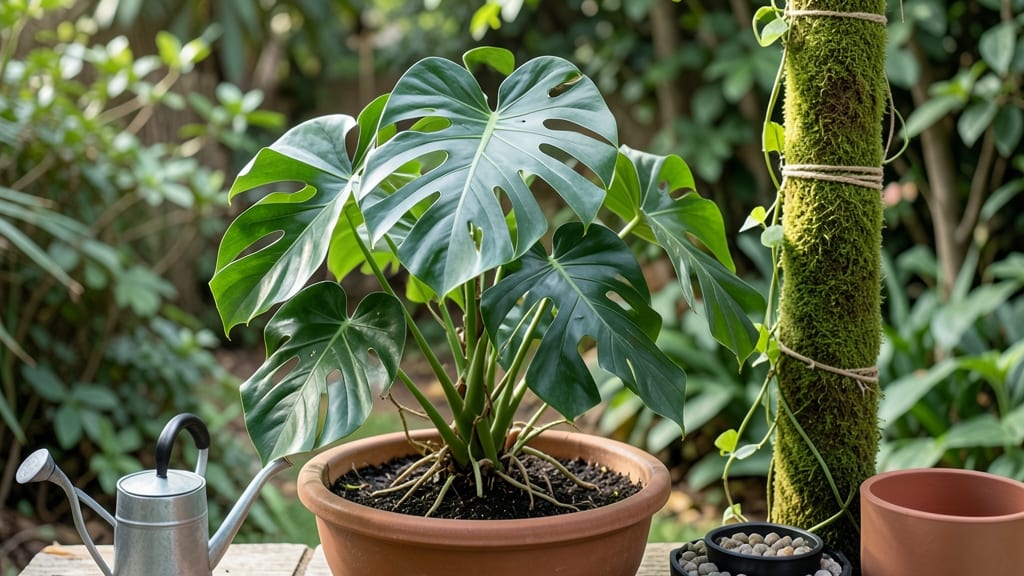
How to make a Monstera grow tall—it’s possible with the right light and support. 🌿 I've watched mine climb 12+ feet in just two years—not by magic, but by mimicking its jungle roots where it naturally scrambles up trees for sunlight. The secret lies in two critical factors: bright, indirect light (no harsh sun) and a sturdy moss pole or trellis for climbing. Most people skip the support, thinking the plant will grow tall on its own. Spoiler: it won’t. Without something to climb, those iconic splits stay hidden, and growth stalls. What you’ll end up with is a lush, vertical masterpiece—shiny leaves unfurling higher than your head, with that satisfying "I grew this" pride. The key is patience: Monsteras grow slow but steady, and every inch of height is worth the wait. Works for both indoor plants and outdoor containers. Here’s how to set it up without common mistakes—like overwatering or choosing the wrong pole material.
📚 In This Guide
- What you need
- Instructions
- Tips and common mistakes
- Wrapping up and next steps
What you need
- ● Monstera deliciosa plant – A healthy, mature specimen (6+ inches tall) with at least 1-2 aerial roots for climbing.
- ● Support structure: Moss pole or trellis – 4-6 feet tall, 2-4 inches in diameter (bamboo, coconut fiber, or store-bought).
- ● Orchid stake – 3-5 feet tall (budget-friendly alternative).
- ● Potting mix – 10-15 gallons of well-draining, chunky mix (50% peat/coir, 30% perlite/pumice, 20% orchid bark or coconut coir).
- ● Container – Pot with drainage holes, 12-18 inches in diameter (and at least 12 inches deep).
- ● Fertilizer: Balanced liquid fertilizer (10-10-10 or 20-20-20, diluted to half-strength).
- ○ Slow-release granules (optional, for steady nutrients).
- ● Watering can – With a narrow spout for precise hydration.
- ● Spray bottle – For misting leaves (especially in dry climates).
- ● Pruning shears – Sharp, sterilized pair for trimming.
- ● Grow lights – LED full-spectrum bulb (10,000-12,000 lumens) for low-light spaces.
- ● Humidity tray – With pebbles and water to boost moisture.
- ● Plant ties – Soft Velcro or jute strips to gently secure vines to the pole.
- ● Soil moisture meter – To avoid over/under-watering.
- ● Compost or worm castings – For a nutrient boost (mix 10% into soil).
Step-by-step instructions for growing a towering Monstera
Here’s how I turn a small Monstera into a lush, sky-reaching plant—no magic, just smart care.
🌱 Step 1: Find the Perfect Light Spot
Monsteras crave bright, indirect light—think east-facing windows or 6-8 feet from a south window. Direct sun scorches leaves, but dim corners stunt growth. You’ll know it’s right when new leaves unfurl large and glossy (not small and dull).
If your home lacks natural light, a grow light (LED or fluorescent) works—keep it 12-18 inches above the plant for 12-14 hours daily. I’ve seen leggy growth when lights were too far away, so adjust until stems stay sturdy and upright.
☀️ Step 2: Train the Vine to Climb Early
Monsteras grow tallest when they climb. As soon as your plant has 3-4 mature leaves, install a moss pole or trellis beside it. Gently wrap the vine around the pole using soft plant ties or twist ties—never pull tight enough to strangle the stem.
Here’s the trick: Rotate the pole weekly so the vine spirals upward naturally. You’ll see new leaves split and grow larger when supported this way. Without a pole, vines sprawl and grow weak—no matter how much you water.
💧 Step 3: Water Deeply but Less Often
Let the top 2-3 inches of soil dry out between waterings. Stick your finger in—if it feels damp, wait. Overwatering causes yellow leaves and root rot, while underwatering makes leaves crispy. I water mine once every 7-10 days in spring/summer, less in winter.
Use room-temperature water (cold shocks roots) and pour until it drains from the bottom. Empty the saucer afterward—soggy roots slow growth. A tall Monstera needs strong roots, and soggy soil stops them dead.
✂️ Step 4: Prune Strategically for Height
Prune only to encourage upward growth. Cut back leggy stems just above a leaf node (where new leaves sprout). This redirects energy to the main vine. I do this in late winter or early spring when the plant’s dormant.
Never trim healthy leaves—Monsteras store energy in mature foliage. If a stem grows too long, you can also propagate the cutting in water to grow a new plant. Just don’t over-prune; you’ll stunt the whole vine.
🪴 Step 5: Fertilize for Fast, Healthy Growth
Feed your Monstera every 4-6 weeks in spring and summer with a balanced liquid fertilizer (like 10-10-10). Dilute to half-strength—Monsteras are sensitive to salt buildup. You’ll notice darker green leaves and faster vine elongation when they’re happy.
Skip fertilizer in fall and winter—they’re dormant. I also use a slow-release pellet in spring for steady nutrition. Too much fertilizer burns roots, so always follow package instructions. A happy plant grows tall and stays healthy.
Tips & tricks for towering Monstera growth
Here's what nobody tells you about coaxing those lush vines into vertical giants—lessons from years of watching Monsteras reach for the ceiling.
Light Positioning: That 3-6 foot window range matters more than you think. Place your Monstera so the tallest leaves touch the glass—this ensures even light distribution along the entire vine. I've seen plants grow crooked when positioned too close to one side of the window, so rotate the pot every 2-3 months to keep it growing straight toward the light source.
Support Strategy: The key to rapid vertical growth is getting that main stem attached to a support within the first week of new growth. I've tried waiting too long, and the plant just grows leggy instead of climbing. Use soft plant ties—never wire—and adjust them as the stem thickens. You'll know you're doing it right when you see those aerial roots grasping the moss pole like tiny hands.
Watering Wisdom: The 1-2 inch soil check isn't just about moisture—it's about timing. Water in the morning so the soil has all day to dry out slightly. I've learned the hard way that evening watering leads to soggy soil and yellow leaves by morning. And in winter, when growth slows, that 7-10 day watering schedule becomes even more critical to prevent root rot.
Pruning Payoff: Those side shoots at the base might look harmless, but they're stealing energy from your vertical growth. I used to hesitate to prune, thinking it would stunt the plant—but actually, removing them redirects all that energy upward. After pruning, I've seen stems thicken noticeably within just two weeks, and new growth appears faster on the main vine.
Pro Tips for Make Monstera Grow Tall
- Here's what nobody tells you about coaxing those lush vines into vertical giants—lessons from years of watching Monsteras reach for the ceiling.
- Light Positioning: That 3-6 foot window range matters more than you think.
- Support Strategy: The key to rapid vertical growth is getting that main stem attached to a support within the first week of new growth.
Frequently asked questions
Got questions about helping your Monstera deliciosa reach sky-high glory? You’re not alone! Here are answers to the most common queries—so you can troubleshoot, optimize, and watch your plant soar.
How long does it take for a Monstera to grow tall?
With ideal care, your Monstera can grow 1-2 feet per year—but faster with proper light, support, and nutrients. Young plants may take 6-12 months to show significant height gains. Patience is key, but consistent care accelerates growth!
Why isn’t my Monstera growing tall, even with good light?
Slow height growth could stem from root-bound roots, lack of support, or overwatering. Check for:
- Roots circling the pot? Repot into a larger container.
- No moss pole or trellis? Add one immediately—Monstera climbs to thrive!
- Yellow leaves or soggy soil? Adjust watering to let the top 1-2 inches dry out.
Can I prune my Monstera to encourage taller growth?
Pruning below nodes (where leaves grow) can redirect energy upward, but avoid cutting too much—this stresses the plant. Focus on:
- Trimming yellow or leggy stems to promote bushier, taller growth.
- Saving cuttings to propagate new plants (free tall Monstera clones! ).
What’s the best alternative if my Monstera isn’t thriving?
If your Monstera refuses to grow tall despite your efforts, try these fast-growing, low-maintenance vines:
Plant
Why It Works
Philodendron
Tolerates low light, climbs easily, and grows 2+ feet/year.
Pothos
Near-indestructible, thrives in shade, and trails or climbs with minimal support.
Swiss Cheese Plant (Monstera adansonii)
Smaller but faster-growing, with lacy leaves—great for beginners!
My Monstera’s leaves are splitting but it’s not growing tall—what’s wrong?
Splitting leaves (fenestrations) are a good sign—they mean your plant is mature and thriving! If growth is still slow:
- Increase bright, indirect light (e.g., near an east or north window).
- Fertilize with a balanced liquid fertilizer (diluted to half-strength) every 4-6 weeks in spring/summer.
- Check for pests (like spider mites) on the undersides of leaves.
Wrapping up and next steps
Growing a towering Monstera is all about patience, the right conditions, and a little extra love! With the perfect balance of bright, indirect light, sturdy support, and consistent care, your plant will reward you with lush, vertical growth that’s the envy of any plant lover. 🌿✨
Now that you’ve got the secrets, it’s time to put them into action.
Start by assessing your Monstera’s current setup—does it have the light, space, and support it needs? Take that first step today! Whether it’s moving it to a sunlit spot or installing a trellis, every small adjustment brings you closer to a dramatically tall and thriving vine.