
Flowers
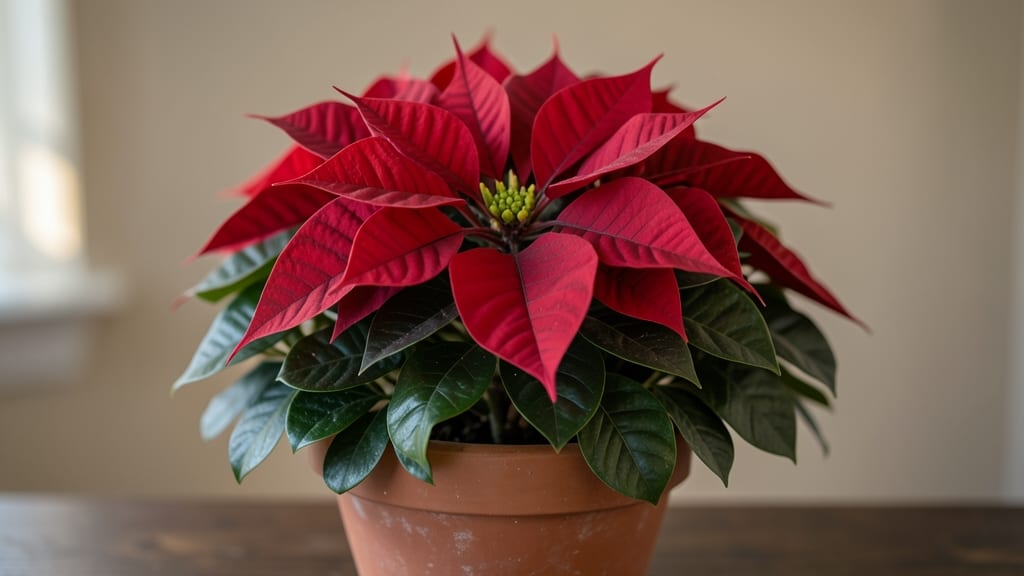
How to make a poinsettia flower this Christmas? Trick it into thinking winter’s coming. 🌿 The secret lies in light, timing, and patience—no magic, just science. I’ve coaxed vibrant red blooms from stubborn plants by controlling their daylight exposure, and you can too, even if your last attempt ended in green leaves instead of holiday color.
Poinsettias need 12 hours of darkness every night for 6 weeks straight to set buds. That means blackout curtains or moving them to a closet after sunset. Too much light during those weeks, and you’ll get leaves instead of flowers.
Temperature matters too—keep them between 65-70°F during the day and 55-60°F at night for best results.
By December, you’ll have bold, glossy bracts that last for weeks, turning heads at holiday gatherings. The key is consistency—no skipping the darkness treatment, even if your plant looks fine.
Overwatering or drafts can still ruin the show, but with this method, you’ll avoid those common mistakes and enjoy real holiday cheer.
Once the blooms fade, don’t toss your plant! With proper care, it can rebloom next year. Prune it back in early spring, fertilize lightly, and repeat the light trick in fall. That’s the real reward—a poinsettia that performs every season, not just December.
📚 In This Guide
- What you need
- Instructions
- Tips and common mistakes
- Wrapping up and next steps
What you need
- ● Poinsettia plant – Buy a healthy Euphorbia pulcherrima from a nursery (preferably in late summer/early fall for best results).
- ● Well-draining potting mix – Use a blend of peat moss, perlite, and compost (ratio: 2:1:1) to prevent root rot.
- ● 6- to 8-inch pot – Ensure it has drainage holes (terracotta or plastic works).
- ● Watering can or spray bottle – Avoid overwatering; poinsettias hate soggy roots!
- ● Grow lights or sunny window – A south-facing window (6+ hours of light/day) or a 12-hour LED grow light (for indoor setups).
- ● Balanced liquid fertilizer – A 10-10-10 or 20-20-20 NPK diluted to half-strength (use every 2–4 weeks).
- ● Pruning shears – Sharp, clean shears to trim stems and encourage bushiness.
- ● Rooting hormone – Speeds up propagation if growing from cuttings.
- ● Plant supports or stakes – Helps tall varieties stay upright.
- ● Humidity tray or pebble tray – Poinsettias love 40–50% humidity; this mimics their tropical habitat.
- ● Slow-release fertilizer pellets – For a low-maintenance nutrient boost.
- ● Decorative pot or sleeve – Elevate your holiday decor with festive flair!
Step-by-step instructions for encouraging poinsettia blooms indoors
Here’s how to coax vibrant holiday blooms from your poinsettia every season with simple light and timing tricks.
🌱 Step 1: Select a Healthy Poinsettia Plant
Start with a mature, blooming poinsettia from a nursery or garden center. Look for plants with dark green, glossy leaves and vibrant red, pink, or white bracts—the colorful parts aren’t flowers but modified leaves that surround tiny yellow flower clusters. Avoid plants with yellowing leaves or brown spots, as these often signal disease or stress.
Check the soil before buying—it should feel lightly moist but not soggy. If the soil is bone-dry, the plant has likely been neglected, making it harder to revive. Bring it home immediately and place it in a spot with bright, indirect light (like an east- or west-facing window) to help it recover.
☀️ Step 2: Master the Light Cycle for Blooming
The key to making poinsettias rebloom is mimicking their natural short-day conditions. Starting October 1, give your plant 14 hours of darkness followed by 10 hours of light daily. Use a dark box, closet, or even a sheet draped over the plant to block all light during the dark period—even a tiny glow from a nightlight can disrupt blooming.
Keep this schedule for 8-10 weeks until you see tiny buds forming at the leaf axils (the spots where leaves meet the stem). You’ll notice the buds as small, tight clusters—this is your signal that the plant is responding. After buds appear, return to normal light conditions and maintain moderate indoor temperatures (65-75°F) to encourage full bloom.
💧 Step 3: Water and Fertilize for Strong Growth
Water your poinsettia when the top inch of soil feels dry. Stick your finger into the soil—if it’s damp just below the surface, wait a day or two. Overwatering causes root rot, which kills the plant quickly. Use room-temperature water to avoid shocking the roots, and always water at the base to keep leaves dry (wet foliage encourages fungal diseases).
Feed the plant with a balanced liquid fertilizer (10-10-10 or 20-20-20) diluted to half-strength every 2-3 weeks during the growing season (spring through summer). Stop fertilizing in late summer to let the plant focus on blooming. If you notice yellow leaves, flush the soil with water to remove excess salts from fertilizer buildup.
✂️ Step 4: Prune and Shape for Next Year’s Blooms
After the holidays, prune your poinsettia back by one-third to encourage bushier growth. Use clean, sharp scissors to cut just above a leaf node (the bump where leaves grow). This step is crucial—skipping it leads to leggy, sparse plants the next year. Prune in late winter or early spring, just as new growth begins.
Pinch back new growth tips with your fingers to promote branching. Do this every 2-3 weeks until mid-summer. By August, your plant should be full and lush. If it looks sparse, don’t worry—poinsettias are forgiving, but consistent pruning sets the stage for next year’s blooms. Avoid heavy pruning after mid-summer, as it stresses the plant before its critical blooming period.
⏰ Step 5: Overwinter for Repeat Blooms
After blooming, let the poinsettia rest by reducing water slightly and stopping fertilizer. Move it to a cooler spot (55-65°F) with bright light for 6-8 weeks to simulate dormancy. This helps the plant store energy for next year’s flowers. You’ll know it’s ready to resume care when new growth appears in early spring.
Resume regular watering and fertilizing in spring, and repeat the light cycle starting in October. With patience, your poinsettia will reward you with bold, colorful blooms every holiday season. Real talk: The first year might be hit or miss, but once you nail the light cycle, it becomes second nature—and your plant will thank you with showstopping color.
Tips & tricks for encouraging poinsettia blooms
Between us, these little tricks will help you turn your poinsettia into a holiday showstopper year after year.
Light Cycle Precision: That 14-hour darkness starting October 1 is non-negotiable—even a tiny nightlight can throw off the blooming process. I use a blackout box with a timer to automate it. Place the box over the plant at exactly 6 PM and remove it at 8 AM sharp. Consistency is everything—don't skip a single night during those 8-10 weeks.
Bud Formation Watch: When you see those tiny buds forming at the leaf axils (the spots where leaves meet the stem), you're on the right track. These buds will look like tiny green nubs—about the size of a pinhead. This usually happens around week 6-7 of the light cycle. Once you spot them, you can relax the strict schedule and let the plant enjoy normal light conditions.
Temperature Troubleshooting: If your home stays above 75°F during the blooming period, move the plant to a cooler spot like a basement or garage (as long as it stays above 65°F). Heat stress can cause buds to drop before opening. I've seen this happen when people keep their thermostat too high during winter—watch for wilting leaves as an early warning sign.
Pruning Timing: That one-third pruning after the holidays should happen in late winter or early spring when new growth begins. Look for fresh green shoots emerging from the stem—this is your cue. Cut just above a leaf node (the little bump where leaves grow) to encourage branching. I always sterilize my scissors with rubbing alcohol first to prevent infection.
Pro Tips for Make Poinsettia Flower
- Between us, these little tricks will help you turn your poinsettia into a holiday showstopper year after year.
- Light Cycle Precision: That 14-hour darkness starting October 1 is non-negotiable—even a tiny nightlight can throw of...
- Bud Formation Watch: When you see those tiny buds forming at the leaf axils (the spots where leaves meet the stem), y...
Frequently asked questions
Got questions about growing your own poinsettias? You’re not alone! Here are some of the most common queries—plus expert answers to help you succeed.
Can I grow a poinsettia from a store-bought plant?
Yes! Many nursery poinsettias are grown from cuttings and can be revived with proper care. After the holidays, trim the plant back, water it well, and place it in bright, indirect light. With patience (and the right conditions), it may rebloom next year!
How long does it take for poinsettias to flower?
Poinsettias need about 8–10 weeks of 14-hour days and 10-hour nights to bloom. Start regulating light in early fall (late September) by covering the plant with a dark box or moving it to a closet at night. Consistency is key!
Why are my poinsettia leaves yellowing or dropping?
Yellow leaves often signal overwatering or underwatering. Let the top inch of soil dry out between waterings, and ensure the pot has drainage holes. Brown edges? It might be too dry or cold. Adjust care and monitor closely!
Can I grow poinsettias indoors year-round?
With the right conditions—bright, indirect light, moderate humidity, and consistent care—poinsettias can thrive indoors for years. Just prune them in spring to encourage bushier growth and repeat the light cycle for annual blooms.
What’s a good alternative if poinsettias are hard to grow?
Try Christmas cactus or amaryllis for festive, low-maintenance blooms! Both are easier to care for and still deliver holiday cheer. For a similar look, euphorbia pulcherrima (a close poinsettia relative) is another great pick.
Wrapping up and next steps
Growing your own poinsettia flower is a rewarding way to bring vibrant holiday cheer into your home—year-round! With the right care, patience, and a few simple tricks, you’ll enjoy stunning red (or even pink, white, or bicolor!) blooms that’ll make your space feel festive anytime. 🌟
Now that you’re equipped with the key tips and troubleshooting advice, it’s time to roll up your sleeves and start your poinsettia journey! Whether you’re a seasoned plant parent or a beginner, every little effort will pay off with lush, healthy growth.
Ready to watch your plant thrive? Grab your supplies and get growing—your future poinsettia masterpiece awaits! 🌱✨