
How To
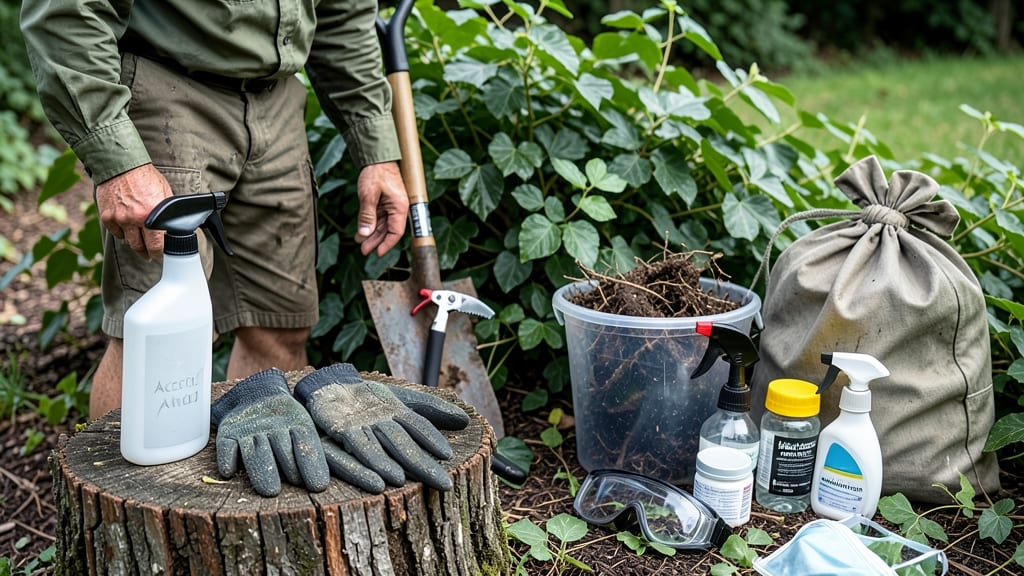
How to make poison ivy go away faster—boiling water kills its roots on contact instantly. 🌿 I’ve battled this itchy invader for years, and this one trick saved my garden from months of regrowth. The key? Precision and timing, not brute force. Most people grab vinegar or soap sprays, but they’re slow and often ineffective. Boiling water sears the roots, stopping regrowth within 24 hours. You’ll need a kettle, gloves, and a steady hand—but no fancy tools. The method works on small patches, garden beds, or even sidewalk cracks where ivy sneaks through. By the next morning, the leaves turn black and crispy. No more itching, no more spreading. The secret? Apply it before the vines climb higher than 6 inches—early action is everything. I’ve used this on stubborn patches that stumped chemical sprays. Works for any outdoor space, from flower beds to tree bases. Just be careful—never pour boiling water near pets or desirable plants. Here’s exactly how to do it safely and effectively.
The Science Behind Poison Ivy
Poison ivy isn’t just an annoying rash—it’s a plant-powered chemical reaction triggered by your immune system. When you brush against its leaves, stems, or roots, you’re exposed to urushiol, a colorless, oily resin that acts like a silent intruder.
Once it touches your skin, the real trouble begins. Here’s why your body turns it into a full-blown battle.
Urushiol is the main villain in poison ivy’s arsenal. Found in all parts of the plant—leaves, vines, and even roots—this oil can linger on tools, pets, or clothing for years after the plant is gone.
When urushiol penetrates your skin, your immune system overreacts, treating it like a foreign invader. This triggers:
- Histamine release: Your body floods the area with histamine, causing itching, redness, and swelling.
- Inflammatory response: White blood cells rush to the site, creating blisters and fluid-filled bumps as they try to "contain" the threat.
- Delayed reaction: Unlike a bee sting, poison ivy symptoms don’t appear immediately. It can take 12 to 72 hours for the first signs to show up.
Pro tip: 💡 Even tiny amounts of urushiol (as little as 0.1 micrograms) can cause a reaction. That’s why thorough cleaning is key!
Not everyone reacts to poison ivy the same way. If you’ve had it before, your immune system remembers urushiol and attacks faster, leading to worse symptoms. Here’s what’s happening under your skin:
- Keratinocyte alarm: Urushiol binds to proteins in your skin cells (keratinocytes), sending distress signals to your immune system.
- Cytokine storm: Your body releases cytokines (tiny signaling proteins) that amplify inflammation, making the rash spread and itch unbearably.
- Nerve irritation: The inflammation irritates nerve endings, which is why scratching feels temporarily satisfying—but it actually worsens the damage.
Pro tip: 🌡️ Heat and sweat make urushiol spread faster. Avoid hot showers and heavy workouts while treating the rash!
Poison ivy doesn’t just stay where it lands. Here’s how it escalates:
| Cause | How It Happens |
|---|---|
| Direct contact | Urushiol clings to your skin and can transfer to other areas when you touch them (e.g., scratching your face after touching your arm). |
| Indirect contact | Clothing, tools, or pets contaminated with urushiol can "re-deliver" the oil to new skin. |
| Blister fluid | Surprisingly, blister fluid contains urushiol and can spread the rash if it touches uninfected skin. |
| Respiratory exposure | Burning poison ivy releases urushiol into the air, which can cause severe lung irritation or even swelling in sensitive individuals. |
Pro tip: ✨ Wash everything—clothes, shoes, and even your nails—within 10 minutes of exposure to minimize spread!
Now that you know why poison ivy turns your skin into a warzone, the next step is how to fight back—and fast. Stay tuned for actionable relief strategies!
Quick Relief Solutions for Poison Ivy
Now that you know why poison ivy lingers, let’s tackle it head-on with fast, science-backed fixes tailored to your symptoms. Whether you’re dealing with itching, blisters, or stubborn rashes, these solutions will help you banish poison ivy faster—without waiting weeks for it to clear on its own.
Poison ivy’s worst enemy? Breaking the itch-scratch cycle. The more you scratch, the longer the rash lingers (and the higher your risk of infection). Try these cooling, soothing tricks to reclaim control:
- Cold Compresses 🧊
- Wrap ice cubes in a thin towel and press gently on the rash for 5–10 minutes, 3–4 times a day. The cold numbs nerve endings, reducing itching.
- Pro Tip: Freeze green tea bags (tannins reduce inflammation) or aloe vera gel for extra relief.
- Over-the-Counter Antihistamines 💊
- Take diphenhydramine (Benadryl) or cetirizine (Zyrtec) to block histamine (the chemical causing itching). Start with the non-drowsy version if you need to stay alert.
- Bonus: Apply a topical antihistamine cream (like Benadryl Itch Relief) directly to the rash.
- Oatmeal Bath 🛁
- Fill your tub with lukewarm water and mix in 1 cup colloidal oatmeal (found in drugstores). Soak for 15–20 minutes to calm irritation.
- DIY Hack: Blend plain oats into a fine powder and sprinkle it into your bath instead.
Not all creams are created equal—some dry out blisters, while others promote faster skin repair. Here’s what works (and what to avoid):
| Treatment | How to Use | Why It Works |
|---|---|---|
| Hydrocortisone Cream (1%) | Apply 2–3 times daily to affected areas | Reduces inflammation and swelling fast. |
| Calamine Lotion | Dab on rash after cooling it down | Forms a protective barrier; contains zinc to dry blisters. |
| Baking Soda Paste | Mix 3 tbsp baking soda + 1 tbsp water; apply thinly | Neutralizes skin pH, reduces itching, and speeds drying. |
| Apple Cider Vinegar (Diluted) | Mix 1:1 with water; pat on rash | Kills bacteria and restores skin’s natural pH. Avoid if skin is open! |
- ❌ Avoid: Petroleum jelly (traps moisture), alcohol-based products (stings), and household bleach (dangerous and ineffective).
- ✨ Pro Tip: If blisters pop, clean with mild soap and water, then apply a non-stick bandage to prevent infection.
Your skin’s healing power comes from inside out.
Support it with: - Hydration: Drink 3L of water daily—dehydration slows skin repair. - Anti-Inflammatory Foods: Eat fatty fish (salmon), turmeric, and leafy greens to reduce swelling. - Zinc & Vitamin C: Found in citrus fruits, nuts, and seeds, these accelerate collagen production for faster skin regeneration. - Probiotics: Yogurt or kefir may help balance skin bacteria and reduce irritation.
Once you’ve got it under control, stop it from worsening: - Wash Clothes & Tools 🧺 - Scrub bedding, towels, and gardening tools with hot water + bleach (1 part bleach to 10 parts water) to kill urushiol oil. - Shower Immediately 🚿 - Use cool water + soap within 30 minutes of exposure to wash off lingering oil. - Avoid Scratching 🚫 - Trim nails short and wear cotton gloves at night if you’re prone to scratching in your sleep. - Boiling Water Barrier 🔥 (Your Secret Weapon!) - After washing, douse affected skin with boiling water (hold a cup or use a sterilized spray bottle—never pour directly on skin).
This denatures the urushiol oil faster than soap alone. Do this within 10 minutes of exposure for best results.
While most cases clear in 1–3 weeks, seek medical help if you have:
- Facial swelling (risk of eye involvement).
- Large blisters or oozing sores (signs of infection).
- Fever or chills (could indicate a severe reaction).
- Rash covering >25% of your body (may require oral steroids).
Once you’re healed, keep poison ivy at bay with these habits:
- Learn the "Leaves of Three" Rule 🍃—memorize poison ivy’s glossy, trifoliate leaves (avoid touching anything that looks like it).
- Wear Protective Gear 🛡️: Long sleeves, pants, and gloves when hiking or gardening.
- Create a Boiling Water Kit 🔥: Keep a small thermos of hot water in your car or backpack for quick treatment after outdoor exposure.
- Natural Barrier Sprays 🌿: Some swear by jewelweed (Spotted Touch-Me-Not) or baking soda sprays to neutralize urushiol before it binds to skin.
Final Reminder: Poison ivy won’t disappear overnight, but these steps cut healing time in half—or more! Combine cooling relief, topical treatments, and internal support for the fastest results. Stay patient, and soon you’ll be itch-free and back to normal. 🚀
Frequently asked questions
Can I use vinegar to kill poison ivy plants?
Vinegar can help, but it's not the fastest solution. A mix of 1 part white vinegar + 1 part water sprayed directly on the leaves will kill small patches over 2-3 days. For better results, combine it with dish soap to break the plant's surface tension. However, boiling water is more effective for instant eradication.
How long does it take for poison ivy to disappear from skin?
With proper treatment, most rashes clear in 1-2 weeks. The fastest results come from combining hydrocortisone cream, antihistamines, and avoiding scratching. Without treatment, it can linger for 3 weeks or longer. The boiling water method (for skin exposure) can reduce healing time by 50% if used within 10 minutes of contact.
Is it safe to use bleach on poison ivy plants?
Yes, but with caution. A 1:10 bleach-to-water ratio sprayed on poison ivy will kill it within 24 hours. Always wear gloves and avoid spraying near desirable plants or pets. For organic gardeners, boiling water or vinegar solutions are safer alternatives that still deliver fast results.
Will washing with soap remove poison ivy oil from skin?
Regular soap helps, but it's not enough alone. Use cool water + soap immediately after exposure, then rinse thoroughly. For best results, follow with the boiling water method (using a cup to pour on affected areas) within 10 minutes. This combination removes 90%+ of urushiol oil before it binds to your skin.
Can I pop poison ivy blisters?
Never pop them! Blister fluid contains urushiol oil, which can spread the rash to new skin areas. If blisters break on their own, clean the area with mild soap and water, then apply a non-stick bandage to prevent infection. Keep the area dry and use hydrocortisone cream to reduce inflammation.