
How To
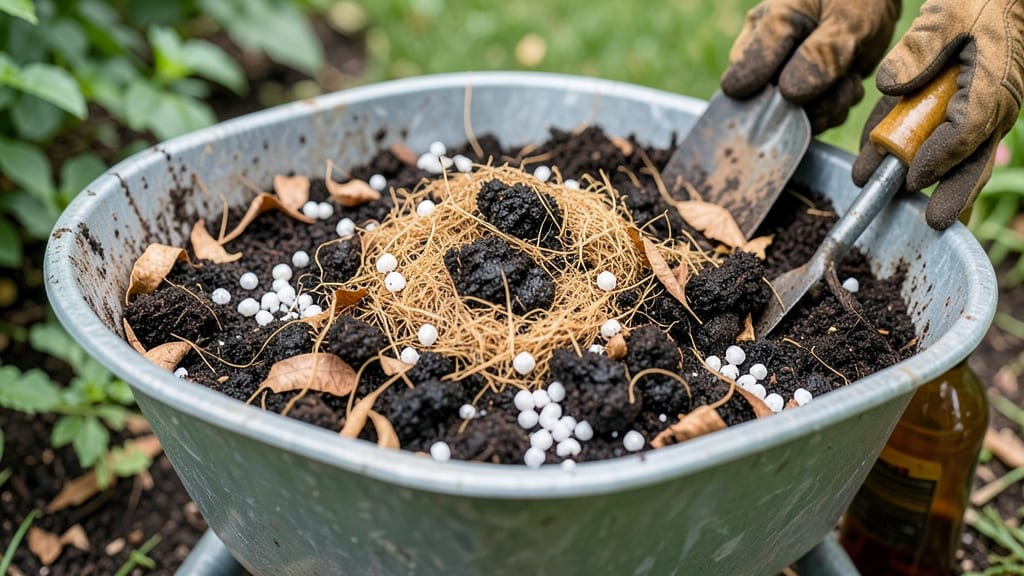
Making potting soil at home cuts costs and boosts plant growth. 🌱 I started mixing my own after realizing store-bought mixes lacked the nutrients my seedlings needed—and it changed everything. The right blend holds moisture while letting roots breathe, creating the perfect foundation for thriving plants.
You’ll need just four basic ingredients: compost for nutrients, coconut coir or peat moss for moisture retention, perlite for drainage, and a handful of worm castings for extra microbial activity.
The magic happens when you balance these in the right ratios—typically 60% compost, 20% coir, 15% perlite, and 5% worm castings—but adjust based on your plants’ needs.
Sterilizing your mix (baking at 200°F for 30 minutes) kills weeds and pests, while adding a handful of mycorrhizal fungi gives roots a growth boost. The result? Soil that’s lighter than store-bought, custom-tailored to your plants, and packed with life—no synthetic additives needed.
This method works for everything from seedlings to houseplants, and you’ll save $20+ per cubic foot compared to pre-mixed bags. Plus, the process is simple enough for beginners but flexible enough for gardeners who want to tweak textures for specific crops.
What Makes Homemade Soil Fail
Even with the best intentions, homemade potting soil can sometimes fall short of expectations—leading to poor drainage, nutrient deficiencies, or even root rot. Understanding the root causes (pun intended!) helps you troubleshoot and create a consistently high-quality growing medium.
Here’s why things go wrong and how to fix them before they start.
Potting soil isn’t just dirt—it’s a balanced ecosystem. If you skew the mix too heavily toward one component (like peat moss or sand), your soil loses its structural integrity. For example:
- Too much peat moss or coconut coir: Holds water like a sponge, suffocating roots and promoting anaerobic conditions (where roots can’t breathe). Science note: Peat’s high carbon-to-nitrogen ratio (C:N ~30:1) slows microbial activity, starving plants of nitrogen.
- Too much sand or perlite: Creates air pockets but drains too quickly, flushing out nutrients before plants absorb them. Result: Wilting even when watered.
- Missing compost or organic matter: Without decomposing material, soil lacks cation exchange capacity (CEC), meaning it can’t hold essential nutrients (like potassium or magnesium) for plant roots.
Fix it: Aim for a 40-60% organic matter base (compost, worm castings, or aged manure), 20-30% bulking agents (perlite, vermiculite, or bark), and 10-20% sand or grit for drainage. Adjust based on your plant’s needs—succulents need more grit, while leafy greens thrive in moisture-retentive mixes.
Not all soil is safe! If your homemade mix harbors fungal spores, bacterial pathogens, or insect eggs, your plants will suffer before they even sprout. Common culprits:
- Unsterilized yard soil or garden compost: May contain Phytophthora (root rot), Fusarium (wilt disease), or nematode larvae. Science note: These pathogens thrive in compacted, waterlogged soil with high organic carbon.
- Fresh manure (especially from herbivores): While rich in nutrients, raw manure can burn roots due to high ammonia levels and harbor E. coli or Salmonella.
- Infested mulch or bark:** Often teems with fungal gnats or shredded bark mites, which lay eggs in the mix.
Fix it:
- Sterilize soil by baking at 180°F (82°C) for 30 minutes or microwaving in batches (test small amounts first).
- Use composted (not fresh) manure—aged for 6+ months to neutralize pathogens.
- Add 1 part food-grade diatomaceous earth per 10 parts soil to deter pests.
Soil pH isn’t just about acidity—it’s a nutrient availability gatekeeper. Most plants prefer a slightly acidic to neutral range (6.0–7.0), but homemade mixes can swing too high or low depending on ingredients:
| Ingredient | Typical pH Impact | Plant Groups Affected |
|---|---|---|
| Peat moss | Very acidic (3.0–4.5) | Blueberries, azaleas (thrive); tomatoes, peppers (struggle) |
| Lime (calcium carbonate) | Raises pH (alkaline, 7.0+) | Vegetables (e.g., lettuce); acid-lovers (e.g., hydrangeas) wilt |
| Wood ash | Highly alkaline (9.0–10.0) | All plants—can lock out phosphorus and micronutrients |
| Compost | Near-neutral (6.5–7.5) | Most garden plants (safe baseline) |
Fix it:
- Test pH with a digital meter or litmus test kit before planting.
- Adjust with:
- Sulfur or vinegar to lower pH (acidic plants).
- Pelleted lime or crushed eggshells to raise pH (alkaline plants).
Homemade soil relies on microorganisms to break down organic matter into plant-available nutrients. But if your mix isn’t warm enough or lacks moisture, decomposition stalls, leaving your soil nutrient-poor and slow to warm up:
- Cold compost piles: Microbes (bacteria/fungi) become dormant below 50°F (10°C), halting nitrogen release. Result: "Hungry" plants with yellowing leaves.
- Too-dry mixes: Without moisture, beneficial microbes die off, and fungal pathogens (like molds) take over.
- Fresh vs. aged compost: Fresh compost can rob nitrogen from plants as microbes decompose it (a process called immobilization).
Fix it:
- Keep compost piles moist like a wrung-out sponge and turn them weekly to maintain aerobic conditions.
- Use finished compost (dark, crumbly, and earthy-smelling) rather than fresh green waste.
- Add a starter fertilizer (like blood meal or fish emulsion) to compensate for slow-release nutrients.
Pro Tip: 💡 Layer your soil like a lasagna—alternate coarse (sand/perlite) and fine (compost) materials to create air pockets and water retention zones naturally. This mimics the forest floor’s structure, where roots thrive in a mix of aeration and moisture.
Quick Fixes for Common Potting Soil Problems
If your homemade potting soil isn’t performing as expected, don’t toss it out—revive it with these targeted solutions! Whether your mix is too dense, lacks nutrients, or drains poorly, we’ve got practical fixes that work.
Below, we’ll match common issues to easy remedies, plus tips to keep your soil in top shape for future plant projects.
If your mix feels heavy, sticks together, or drains like molasses, it’s likely too dense. Compacted soil suffocates roots and invites fungal issues.
✅ Fix It: Fluff It Up with Amendments
- Add Perlite or Vermiculite (1:1 ratio)
- Sprinkle these lightweight minerals into your mix to create air pockets. Perlite improves drainage, while vermiculite retains moisture better.
- How much? Start with 20% of your total mix volume.
- Incorporate Coarse Sand or Horticultural Sand
- Avoid fine sand (it clumps). Use coarse sand (like builder’s sand) to break up clay-heavy soil.
- Pro tip: Mix in 1 part sand to 3 parts soil.
- Boost with Compost or Peat Moss
- These organic matter sources loosen soil structure over time. Aim for 30–50% compost by volume.
💡 Prevention Tips
- Test your base materials before mixing. If garden soil or compost feels slick when wet, amend it first.
- Avoid over-tilling—it can compact soil further. Use a fork to gently aerate instead.
If water runs through your potting mix within seconds, roots won’t absorb enough nutrients or moisture. This often happens with mixes that are too sandy or lack organic matter.
✅ Fix It: Retain Moisture Naturally
- Mix in Coconut Coir or Peat Moss
- These hold water 3–5x their weight** while still allowing airflow. Use 20–30% coir or peat in your blend.
- Bonus: Coconut coir is sustainable and pH-neutral.
- Add Worm Castings or Compost
- Worm castings improve water retention without compacting soil. Blend in 1–2 cups per gallon of mix.
- Try a Hydrogel Additive (Optional)
- For high-drainage mixes, sprinkle hydrogel crystals (1 tsp per gallon) to absorb and release water slowly.
💡 Prevention Tips
- Balance textures: Aim for a 40/30/30 split of organic matter (compost/coir), bulking agents (perlite/vermiculite), and base soil (garden soil or coconut fiber).
- Water before planting to pre-settle the mix and reduce initial runoff.
A sour, ammonia-like, or rotten odor means your mix is anaerobic (low oxygen) or over-fertilized. This can harm plants and attract pests.
✅ Fix It: Refresh with Aeration and Balance
- Air It Out
- Spread the soil in a thin layer (1–2 inches) on a tarp or tray. Let it dry in sunlight for 2–3 days to kill anaerobic bacteria.
- Add Fresh Organic Matter
- Mix in dry, mature compost (no fresh manure!) to restore microbial balance. Use 1 part compost to 2 parts problematic soil.
- Neutralize Odors with Lime or Wood Ash (If Acidic)
- If the smell is sour (low pH), sprinkle gardening lime (1 tbsp per gallon) and remix.
💡 Prevention Tips
- Avoid overwatering—let soil dry slightly between waterings.
- Use a mix of greens and browns in compost (e.g., grass clippings + dry leaves) to prevent souring.
- Store soil in breathable containers (like burlap sacks) to prevent moisture buildup.
Dark, dense mixes absorb heat like a greenhouse, risking root burn—especially in hot climates or under grow lights.
✅ Fix It: Lighten and Insulate
- Increase Perlite or Pumice
- These reflect heat and improve airflow. Replace 20% of your mix with perlite to cool it down.
- Add Bark or Orchid Bark
- Chunky bark chunks insulate roots while allowing water drainage. Use 10–20% bark in your blend.
- Use a Light-Colored Container
- Switch to white, terracotta, or reflective pots to reduce heat absorption.
💡 Prevention Tips
- Water in the evening to help regulate soil temperature.
- Avoid black plastic pots—opt for fabric grow bags or glazed ceramic instead.
With these fixes, your homemade potting soil will be lighter, more fertile, and better-draining in no time. The key? Start with the right balance and adjust as you go. Happy planting! 🌿
Frequently asked questions
What’s the cheapest way to make potting soil at home?
Use a 50/50 mix of finished compost (from kitchen scraps or yard waste) and coconut coir or dry leaves. Skip expensive additives like peat moss—compost provides nutrients, while coir holds moisture. Add 1 part perlite (from hardware stores) for drainage. This costs $0.50–$1 per gallon compared to $3–$5 per bag for store-bought mixes.
Can I use regular garden soil instead of potting mix?
No—garden soil compacts easily and clogs drainage holes. For containers, use a blend of 60% compost, 20% perlite/vermiculite, and 20% coconut coir. This mimics the airy structure of potting soil while preventing root rot. Garden soil works only for in-ground planting.
How do I sterilize homemade potting soil?
Bake your mix in the oven at 200°F (93°C) for 30 minutes to kill weeds, fungi, and pests. Spread it on a baking sheet first to prevent clumping. For large batches, microwave in 1-minute bursts (stir between each) or use a pressure cooker at 15 PSI for 20 minutes. Always let it cool completely before use.
What’s the best ratio for seed starting vs. mature plants?
For seedlings: 70% peat moss or coconut coir, 20% perlite, and 10% compost—this keeps moisture consistent. For mature plants: 50% compost, 30% perlite/vermiculite, and 20% sand or bark for better drainage. Seedlings need finer texture; mature plants benefit from chunkier amendments.
How long does homemade potting soil last?
Unused soil lasts 6–12 months if stored dry in a sealed container. Once planted, nutrients deplete in 3–6 months for heavy feeders (like tomatoes) or 12+ months for low-maintenance plants (like succulents). Refresh by adding 1 cup compost per gallon annually. Discard if it develops a foul odor or mold.