
Container Gardens
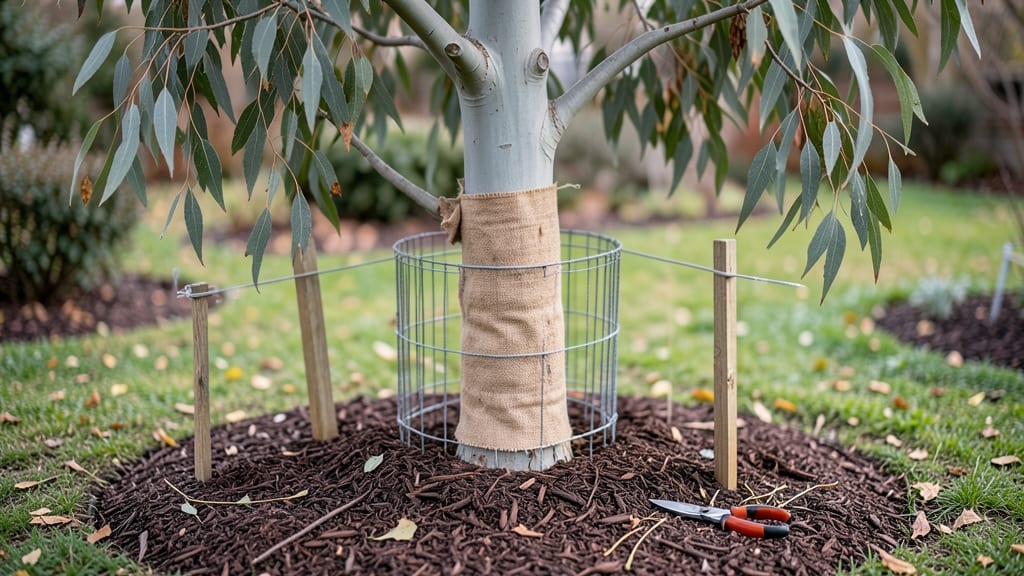
Overwintering eucalyptus doesn’t have to be complicated—it’s all about protecting those delicate leaves from frost. 🌿 I’ve kept my eucalyptus thriving through winters in Zone 7 by focusing on three key moves: pruning, mulching, and adjusting water.
The goal isn’t perfection but survival, and with these tricks, your plant will bounce back stronger in spring.
Start with a light pruning in late fall to remove any dead or weak branches—this helps the plant focus energy on staying alive. Then, wrap the pot in burlap or move it to a sheltered spot if temperatures dip below 25°F.
Mulch around the base with 3-4 inches of straw or shredded leaves to insulate roots, and cut back on watering once growth slows.
By spring, you’ll see fresh green shoots pushing through, signaling your eucalyptus made it. The secret is patience—no need for fancy setups, just smart adjustments. Even in colder zones, this method works, though container-grown plants handle winter better than in-ground ones.
Pro tip: Group eucalyptus with other tender plants to create a microclimate that traps heat. And if you’re in a frost-prone area, consider bringing potted plants indoors near a bright window. Small steps make all the difference!
📚 In This Guide
- What you need
- Instructions
- Tips and common mistakes
- Wrapping up and next steps
What you need
- ○ Container or Pot: Ensure it has drainage holes (1–2 per 6" of diameter) and is at least 12–18 inches deep for mature plants. Optional: Elevate with pot feet (¼"–½") to prevent root rot.
- ● Well-Draining Soil Mix: 50% peat-free potting mix (e.g., coconut coir or compost)
- ● 30% perlite or pumice (for aeration)
- ● 20% sand or orchid bark (to mimic native soil)
- ● Mulch: 2–3 inches of straw, pine needles, or shredded bark (avoid fresh wood chips—they can compact).
- ● Watering Can or Hose: With a fine-mist nozzle for gentle hydration.
- ● Pruning Shears: Sterilized, sharp shears (or small handsaw for thick branches).
- ● Frost Cloth or Burlap: Lightweight (30–50g/m²) for outdoor protection.
- ○ Grow Lights (Optional): LED full-spectrum (12–14 hours/day) if indoors with <10 hours of sunlight.
- ● ✅ Healthy Plant: Prune dead/diseased branches before winter (use 70% isopropyl alcohol to sterilize cuts).
- ● ✅ Location Scouting: Choose a spot with 50–70°F temps (indoors/garage) or partial shade outdoors.
- ● ✅ Humidity Control: 40–60% humidity (use a humidifier or pebble tray indoors).
- ● ✅ Drainage System: Elevate pots on saucers or trays to catch excess water.
Step-by-Step instructions for overwintering eucalyptus
Here's how I keep eucalyptus thriving through winter—no fancy equipment, just smart care.
🌿 Step 1: Prune and Prepare Before Frost
Start by giving your eucalyptus a light trim to remove any dead, yellowed, or damaged leaves. I use clean, sharp pruners to make cuts just above a leaf node—this encourages new growth and keeps the plant tidy. Focus on shaping the plant rather than drastically reducing size, as eucalyptus can be sensitive to heavy pruning. This step also helps prevent pests from overwintering in dead foliage.
Next, reduce watering gradually over the last two weeks before winter sets in. You want the plant to enter dormancy with slightly drier soil—this prevents root rot when temperatures drop. Water only when the top 2 inches of soil feel dry, and avoid getting water on the leaves, as this can freeze and damage the foliage.
☀️ Step 2: Choose the Right Winter Location
Eucalyptus needs protection from harsh winds and freezing temperatures, but it also needs light. Move your plant to a sheltered spot like a garage, shed, or even a covered patio if you live in a cold climate. If you're keeping it outdoors, select a location against a south-facing wall where it gets some sunlight but is shielded from north winds.
I like to place mine near a window in an unheated garage during the coldest months. The key is to avoid extreme temperature swings—eucalyptus can tolerate down to 20°F for short periods, but prolonged freezing will kill it. If your winters are colder, consider wrapping the pot in bubble wrap or frost cloth to add an extra layer of insulation.
💧 Step 3: Adjust Watering for Winter Dormancy
Once winter hits, eucalyptus enters a dormant phase and needs far less water. Check the soil every 2-3 weeks—water only if the top 3 inches feel completely dry. Overwatering in winter is the fastest way to smother roots and invite fungal diseases. I use a moisture meter to avoid guesswork, especially in containers where drainage can be tricky.
If you notice the leaves turning brown or crispy, it’s a sign of either underwatering or cold stress. Don’t panic—just adjust your care. A light misting of the leaves with room-temperature water can help if they’re dry, but avoid soaking them. The goal is to keep the plant alive but not actively growing until spring.
⏰ Step 4: Monitor and Revive in Early Spring
As temperatures rise in late winter or early spring, start checking your eucalyptus more frequently. When you see new growth—usually bright green buds or tender new leaves—it’s time to resume regular care. I like to give the plant a light trim to remove any remaining dead growth and encourage fresh shoots.
Gradually reintroduce sunlight by moving the plant back outdoors for a few hours a day, protected from direct sun at first. Increase watering slowly, returning to your normal schedule once the plant shows consistent new growth. This transition period is critical—rushing it can shock the plant after its winter rest.
✂️ Step 5: Fertilize and Repot for Next Season
Once the threat of frost has passed and your eucalyptus is actively growing, it’s time to feed it. Use a balanced, water-soluble fertilizer (like 10-10-10) diluted to half strength. Apply it every 4-6 weeks during the growing season to keep the plant healthy and encourage lush foliage.
If your eucalyptus is in a container, check for root boundness—gently remove it from the pot and inspect the roots. If they’re circling or densely packed, it’s time to repot into a slightly larger container with fresh well-draining potting mix. This step ensures your plant has room to grow and access to fresh nutrients for the next year.
Tips & tricks for overwintering eucalyptus
These simple tricks will help you keep your eucalyptus thriving through even the coldest winters.
Pruning Precision: When you're trimming in Step 1, focus on removing only the dead or damaged leaves rather than cutting back healthy growth. Eucalyptus responds well to light shaping, but avoid heavy pruning—it can stress the plant when it's already preparing for dormancy. I like to use sterilized pruners to prevent spreading any potential diseases between cuts. This keeps your plant tidy while preserving its energy for spring.
Location Logic: In Step 2, if you're keeping your eucalyptus outdoors, position it against a south-facing wall where it gets indirect sunlight. This balance of light and shelter is crucial—too much direct sun can cause winter burn, while too little light weakens the plant. I've found that a covered patio or garage window works beautifully, providing just enough light without exposing the plant to harsh winds. For extra protection in freezing climates, wrapping the pot in bubble wrap adds an insulating layer without blocking light.
Watering Wisdom: The 2-3 week watering schedule in Step 3 is non-negotiable—overwatering is the #1 winter killer for eucalyptus. I've learned this the hard way after losing a plant to root rot during a mild winter. Stick to the top 3 inches of soil test, and if you're unsure, use a moisture meter. For container plants, ensure your pot has drainage holes to prevent water from pooling at the bottom, which can lead to rot even in winter.
Spring Revival: When you see those bright green buds in Step 4, that's your cue to start the revival process. I recommend introducing sunlight gradually—start with just a few hours of morning sun before moving to full sunlight. This prevents shock to the plant after its winter rest. Also, avoid fertilizing until you see consistent new growth—waiting until after the frost threat has passed ensures your plant isn't stressed by both cold and nutrients simultaneously.
Pro Tips for Overwinter Eucalyptus
- These simple tricks will help you keep your eucalyptus thriving through even the coldest winters.
- Pruning Precision: When you're trimming in Step 1, focus on removing only the dead or damaged leaves rather than cutting back healthy growth.
- Location Logic: In Step 2, if you're keeping your eucalyptus outdoors, position it against a south-facing wall where it gets indirect sunlight.
Frequently asked questions
about overwintering eucalyptus—because even the toughest plants need a little TLC! Here are answers to the most common queries to keep your eucalyptus thriving through the cold months.How cold can eucalyptus tolerate before needing protection?
Most eucalyptus varieties handle light frosts (down to 25–28°F (-4 to -2°C)), but prolonged exposure below 20°F (-7°C) risks damage. Young plants or tropical species (like Eucalyptus globulus) need extra protection—think mulch, burlap wraps, or indoor relocation for extreme winters.
When should I start preparing my eucalyptus for winter?
Begin 4–6 weeks before the first frost (usually late summer/early fall). This gives roots time to harden, and you can gradually acclimate potted plants indoors. For container growers, wait until temps drop below 40°F (4°C) before moving them to a sheltered spot.
Can I overwinter eucalyptus indoors? If so, how?
Yes! Move potted eucalyptus to a bright, unheated space (like a garage or sunroom) with temps between 40–50°F (4–10°C). Avoid drafts and reduce watering—root rot is a winter risk. Prune lightly to conserve energy, and reintroduce them outdoors gradually in spring.
What if my eucalyptus loses leaves or turns brown in winter?
Don’t panic! Leaf drop is normal in cold stress, but brown, mushy stems signal frost damage. Trim dead foliage, avoid overwatering, and resume regular care in spring. For severe cases, propagate from healthy cuttings—eucalyptus is resilient and often rebounds!
Are there winter-hardy eucalyptus alternatives for cold climates?
If your zone is below 7 (USDA), opt for cold-tolerant varieties like Eucalyptus pauciflora (snow gum) or E. cinerea (argyle apple). For extreme cold (below 10°F (-12°C)), consider Leptospermum (tea tree) or Melaleuca—they’re in the same family but handle frost better!
Wrapping up and next steps
Overwintering eucalyptus is totally doable with the right prep—whether you’re protecting young plants in pots or shielding mature trees from frost. Remember: mulch, shade, and watering are your best friends, while monitoring temperature and pests keeps risks low. 🌱❄️
You’ve got this! Start by inspecting your plants now—give them a quick check for signs of stress or pests. Then, pick one or two strategies from this guide to test this season. Happy gardening, and may your eucalyptus thrive year-round!