
How To
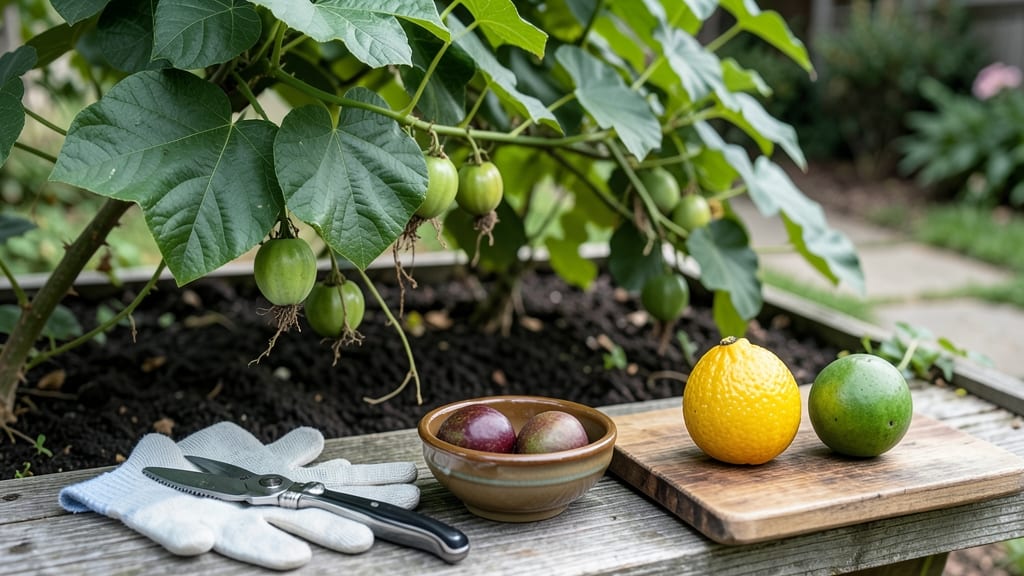
3 Tactile tests to identify ripe passion fruit without cutting
Passion fruit ripeness can be tricky—especially when you’re staring at a vine full of green, yellow, or purple fruits and unsure which ones are ready. The good news? You don’t need to slice them open to tell.
These three tactile tests let you assess ripeness using just your hands, saving time and avoiding wasted fruit. I’ve used these tricks for years in my tropical garden, and they’ve never failed me.
Start by examining the fruit’s skin texture. A ripe passion fruit will yield slightly when you press it gently with your thumb. Think of it like testing a ripe avocado—just enough give to know it’s softening.
If the skin feels hard or springs back immediately, it’s not ready yet. This test works best on yellow passion fruits (like the Passiflora edulis variety), which ripen from the inside out.
⚠️ CRITICAL: Avoid pressing too hard—you don’t want to bruise the fruit. A light touch is all you need to feel the subtle difference between firm and ripe.
Next, pick up the fruit and feel its weight. Ripe passion fruits are heavier than they look because the pulp inside is packed with juice and seeds. Hold a ripe one in your hand, then compare it to an unripe one—you’ll notice the difference immediately.
This is especially useful for purple passion fruits, which can sometimes stay green even when ripe.
Don’t overlook the stem end of the fruit. A ripe passion fruit’s stem will look dry and slightly shriveled, almost like it’s starting to separate from the vine.
This is nature’s way of telling you it’s time to pick. If the stem is still green and firm, the fruit needs more time on the vine.
Here’s a pro tip: Combine all three tests for the most accurate results. For example, if a fruit passes the pressure test and weight check but fails the stem wiggle test, give it another day or two. Consistency across all three signals is your green light to harvest.
One common mistake I see is picking passion fruit based solely on color. While color is a good indicator, it’s not foolproof—especially in shady or overcast climates where fruits may stay green longer. That’s why tactile tests are your best friend when it comes to passion fruit ripeness.
If you’re harvesting for immediate use, pick the fruit when it’s fully ripe. For storage or shipping, you can harvest it slightly firmer (but still passing the pressure test) and let it ripen indoors.
Place it in a paper bag with a banana or apple—the ethylene gas will speed up ripening in about 2-3 days.
Remember, the key to sweet, flavorful passion fruit is patience. Rushing to pick can leave you with sour, seedy fruits that taste more like lemon water than tropical delight. Trust your hands—they’ll guide you every time.
3 Tactile tests to identify ripe passion fruit without cutting
Passion fruits can be tricky—what looks ripe might still taste bland, while others hide sweet surprises. Instead of guessing, use these three tactile tests to confirm ripeness without slicing open a single fruit. These methods rely on touch, weight, and gentle movement to reveal the perfect moment for harvest.
First, focus on the skin’s response to pressure. A ripe passion fruit yields slightly when pressed with your thumb—like pressing a ripe avocado. If it feels firm or springs back immediately, it’s not ready yet.
This test works best when the fruit is fully colored but still attached to the vine.
The Pressure Test
- Gently press the fruit with your thumb—it should yield slightly but not feel mushy.
- If it springs back, it’s underripe. If it feels too soft, it may be overripe.
- Test multiple spots—some fruits ripen unevenly.
Next, pick up the fruit and assess its weight-to-size ratio. Ripe passion fruits feel noticeably heavier for their size because the pulp inside thickens as it matures. Hold two fruits side by side—one ripe and one unripe—and you’ll instantly feel the difference.
This trick works especially well for yellow passion fruits, which can be harder to judge by color alone.
The Weight Check
- Compare two fruits of similar size—the ripe one will feel heavier.
- A ripe passion fruit should have a dense, solid feel.
- If it feels light and hollow, it’s not ready.
The final test is the stem wiggle. Gently grasp the fruit near the stem and wiggle it side to side. A ripe passion fruit will detach easily with a slight twist—almost like it’s begging to be picked.
If the fruit resists or the stem snaps cleanly, it’s not ripe enough. This test is especially useful for purple passion fruits, which can stay green longer than they should.
Pro tip: Combine all three tests for the most accurate results. For example, a fruit that yields to pressure, feels heavy, and wiggles free is 100% ripe.
Avoid picking fruits that pass only one or two tests—you’ll end up with bland or seedy results. Once you master these tactile cues, you’ll never second-guess ripeness again!
🌱