
Flowers
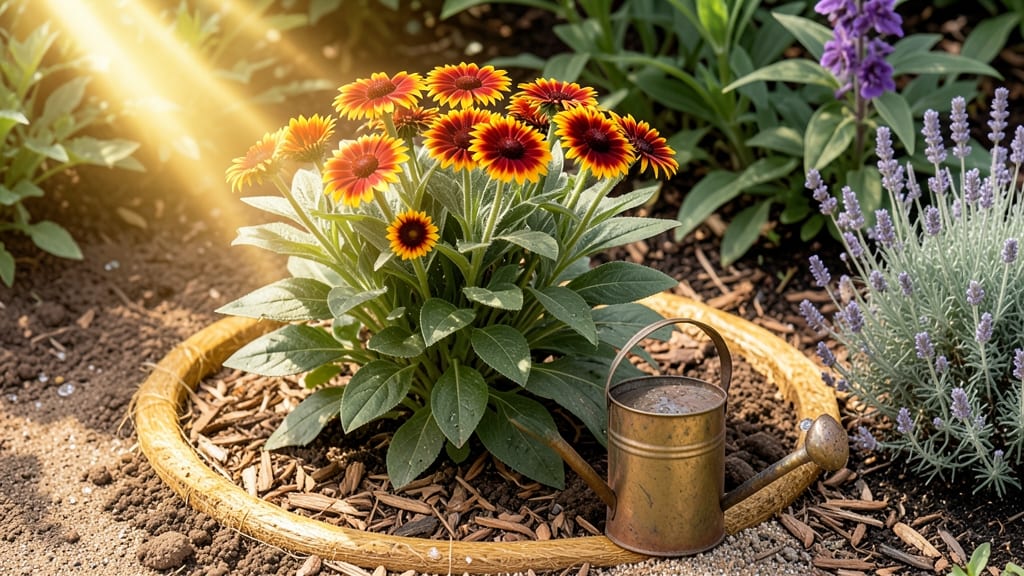
How to care for gaillardia flowers is easier than you think—these drought-resistant, cheerful blooms thrive where others fail. 🌻 I’ve grown them in dry climates, and they’ve never once complained about thirst. Their fiery blooms attract pollinators while demanding almost no effort, making them perfect for busy gardeners or neglected corners. The secret lies in their love for full sun and well-draining soil—no fancy amendments needed. Water deeply once a week (less in winter), and they’ll reward you with bold red-and-yellow blooms from spring through frost. Deadhead spent flowers to encourage more blooms, but don’t overdo it—they’re tough enough to handle neglect. You’ll end up with a low-maintenance garden star that outlasts most annuals. Gaillardia even tolerates heat waves and light freezes, so they’re ideal for borders, containers, or wildflower mixes. Once established, they’ll spread happily without crowding out neighbors. For winter, cut back faded stems but leave the base—they’ll bounce back in spring. No mulch? No problem. These flowers prove beauty doesn’t require babying, just basic respect for their sun-loving nature.
📚 In This Guide
- What you need
- Instructions
- Tips and common mistakes
- Wrapping up and next steps
What you need
- ● Gaillardia plants: 3–5 plants per square yard (for full coverage and blooms)
- ● Varieties: Choose from Gaillardia pulchella (annual) or Gaillardia aristata (perennial)
- ● Well-draining soil: 1 part native soil
- ● 1 part coarse sand or perlite (for drainage)
- ○ Optional: 1 part compost (for fertility)
- ● Watering supplies: Drip irrigation system or a watering can with a long spout
- ○ Soaker hose (optional, for deep watering)
- ● Fertilizer: Low-nitrogen, slow-release granular fertilizer (e.g., 5-10-10 ratio)
- ● 1 tbsp per plant (sprinkled around the base, not touching stems)
- ● Pruning tools: Sharp bypass pruners (for deadheading and shaping)
- ● Cleaning alcohol (70% isopropyl) to sterilize tools
- ● Mulch: 2–3 inches of organic mulch (e.g., straw or shredded bark) to retain moisture and suppress weeds.
- ● Epsom salt: 1 tsp dissolved in 1 gallon of water (monthly spray for magnesium boost).
- ● Companion plants: Pair with lavender, yarrow, or black-eyed Susans for a pollinator-friendly display!
- ● Sunlight meter: To confirm your garden gets 6+ hours of direct sun (Gaillardia’s happy place!).
Tips & tricks for perfect gaillardia care
Here's what nobody tells you about keeping gaillardia blooming like a pro—these tricks make all the difference between a few sad flowers and a vibrant, year-round display.
Soil Preparation Secret: Before planting, mix in 1-2 inches of coarse sand or perlite per square foot specifically for clay-heavy soils. This isn't just about drainage—it creates tiny air pockets that prevent the roots from suffocating. I've seen gaillardia wilt dramatically in unamended clay, only to recover completely after this simple soil tweak. The key is working it in thoroughly so the entire root zone benefits.
Watering Wisdom: The 1 inch per week guideline works best when you measure it properly—use a rain gauge or tuna can buried in the soil to track actual rainfall. Gaillardia's drought tolerance is real, but it's not drought-proof. During extreme heat (above 90°F), increase to 1.5 inches weekly while still letting the top 2-3 inches dry out between waterings. The morning watering rule is non-negotiable—it prevents fungal spores from settling on damp foliage overnight.
Deadheading Technique: When you're deadheading every 2-3 days during peak bloom, use clean shears and make your cuts at a 45-degree angle just above a leaf node. This angled cut prevents water from pooling on the stem, which reduces fungal risks. I've found that snipping at this angle also encourages faster regrowth—you'll often see new buds forming within 5-7 days of the cut. Don't skip this detail; it's what separates sporadic blooms from continuous color.
Division Timing: For the 2-3 year division schedule, I've discovered that early spring (just as new growth appears) is ideal, but fall divisions in zones 5-7 work equally well if you replant before hard frost. The secret is to divide when the plant is actively growing but not yet flowering—this minimizes stress. After dividing, water deeply for 10-14 days to help roots establish before the first frost arrives. You'll know you've timed it right when new growth appears within 4-6 weeks of replanting.
Pro Tips for Care For Gaillardia Flowers
- Here's what nobody tells you about keeping gaillardia blooming like a pro—these tricks make all the difference betwee...
- Soil Preparation Secret: Before planting, mix in 1-2 inches of coarse sand or perlite per square foot specifically fo...
- Watering Wisdom: The 1 inch per week guideline works best when you measure it properly—use a rain gauge or tuna can b...
Frequently asked questions
Got questions about keeping your gaillardia flowers thriving? You’re not alone! Here are some of the most common concerns—plus quick, expert-backed answers to keep your vibrant blooms happy all season long.
Why are my gaillardia leaves turning yellow?
Yellowing leaves are often a sign of overwatering or poor drainage. Gaillardias are drought-tolerant, so let the soil dry out between waterings. If your pot lacks drainage holes, repot your plant or amend the soil with perlite. Pro tip: Check the roots—if they’re mushy, trim the affected parts and reduce watering.
How long do gaillardia flowers last in a vase?
With proper care, cut gaillardia stems can last 7–10 days in a vase. Trim stems at an angle, change the water every 2 days, and snip spent blooms to encourage new ones. Add a drop of bleach or floral preservative to keep water fresh and bacteria-free. Bonus: These flowers dry beautifully too!
Can gaillardia survive winter in cold climates?
Most gaillardia varieties are perennial in USDA zones 3–10, but they may need winter protection in colder areas. Mulch the base with 2–3 inches of straw or leaves after the first frost. In extreme cold (<20°F), cover plants with burlap or a frost blanket. Spring surprise: They’ll often bounce back with even more color!
What pests commonly attack gaillardia, and how do I treat them?
Gaillardias are generally pest-resistant, but you might spot aphids, spider mites, or earwigs. Blast off aphids with a strong stream of water or use insecticidal soap. For mites, spray with neem oil. Preventative tip: Keep plants healthy with balanced fertilizer and good airflow to deter pests naturally.
Can I grow gaillardia from seed, or should I buy plants?
Both work! Seeds are cheap and fun to grow—sow them in spring after the last frost, ¼ inch deep. Plants from nurseries bloom faster and are ideal for instant color. Seed hack: Soak seeds overnight to speed up germination. For best results, choose dwarf varieties if space is limited.
Wrapping up and next steps
Caring for gaillardia flowers is a rewarding journey that brings vibrant color to your garden with minimal fuss! 🌸 With the right balance of sunlight, well-draining soil, and occasional deadheading, these drought-resistant beauties thrive year after year.
Whether you’re a seasoned gardener or just starting out, their low-maintenance charm makes them a perfect addition to any landscape.
Now that you’re armed with the essentials, why not take the next step? Experiment with different varieties, try container gardening, or share your blooming success with fellow plant enthusiasts. Your gaillardia garden is just waiting to shine—get out there and make it happen! 🌞