
Tools
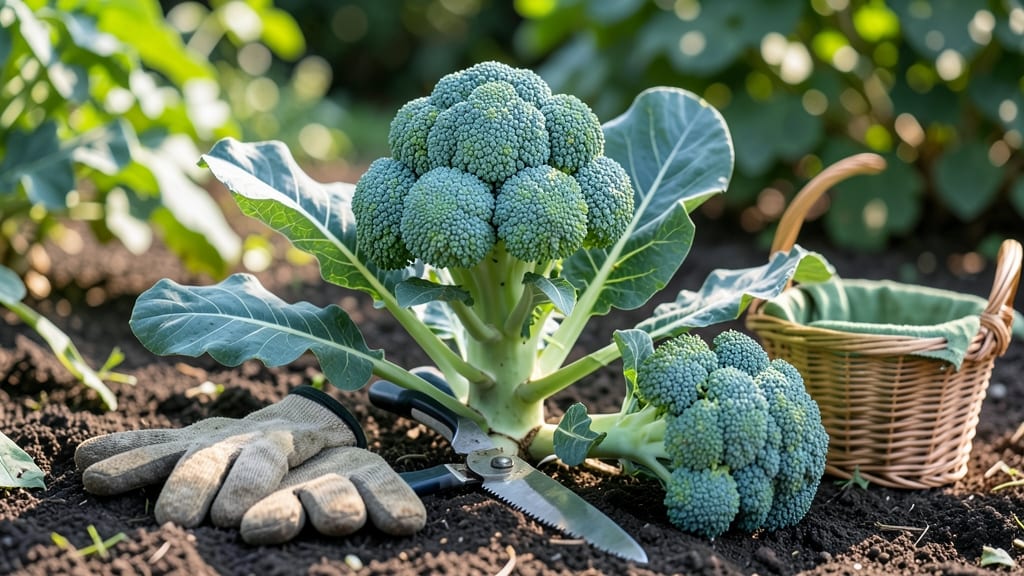
Dirt-caked broccoli from the garden ruins every crisp bite. 🌱 I’ve spent years perfecting a 5-minute rinse that removes stubborn soil while keeping stems intact—no scrubbing, no bruising, just clean florets ready for the kitchen.
The secret lies in two simple tools: a large bowl of cool water and a colander. Fill the bowl with enough water to submerge the broccoli, then swirl gently for 30 seconds—this loosens dirt without damaging delicate heads.
For stubborn residue, a soft brush works better than scrubbing under running water, which can break stems.
After rinsing, pat dry with a clean towel and trim any damaged ends. Store in a perforated bag in the fridge for 5-7 days, or freeze for longer storage. The key is speed—wet broccoli left sitting turns slimy fast, so work quickly and keep everything cold.
Pro tip: Rinse broccoli right after harvest if you can’t clean it immediately—soil dries harder and becomes nearly impossible to remove later. This method works for all varieties, from Romanesco to standard green broccoli, and keeps your harvest looking fresh for salads, roasting, or steaming.
📚 In This Guide
- What you need
- Instructions
- Tips and common mistakes
- Wrapping up and next steps
What you need
- ● Fresh broccoli – 1 large head or multiple smaller heads (depending on your harvest!)
- ● Large bowl or colander – Stainless steel or food-safe plastic, big enough to hold all your broccoli
- ● Cold water – Enough to submerge the broccoli (or a steady stream from a faucet)
- ● Sharp kitchen knife – 8-inch chef’s knife (for trimming)
- ● Cutting board – Wooden, plastic, or bamboo (avoid glass)
- ● Paper towels or clean kitchen towel – For patting dry
- ○ Optional: Vegetable brush – Soft-bristled brush for stubborn dirt in crevices
- ● Baking sheet or clean towel – For air-drying broccoli before storage
- ● White vinegar or lemon juice – 1 tablespoon in rinse water to disinfect (if heavily soiled)
- ● Food-safe sanitizing spray – For extra cleanliness (like diluted hydrogen peroxide)
- ● Storage container – Airtight container with a paper towel to absorb moisture
Step-by-Step instructions for cleaning garden-fresh broccoli
Here’s the fast, foolproof method I use to remove stubborn garden dirt without damaging tender florets.
💧 Step 1: Trim and Prep the Stems
Start by cutting off any yellowed or wilted outer leaves with a sharp knife—these hide the most dirt and bacteria. Hold the broccoli crown upright and slice just above the first set of green leaves, leaving the main stem intact. This exposes the florets and makes rinsing far more effective. I always trim over a sink or bucket to catch the debris.
Next, use your fingers to gently separate the florets from the thick central stem. Broccoli grows in dense clusters, so work patiently to avoid tearing the delicate buds. If dirt clings stubbornly to the florets, don’t force it—we’ll tackle that in the next step. The goal here is to expose every surface without damaging the plant’s natural structure.
🌿 Step 2: Rinse Under Cool Running Water
Fill a large bowl or sink with cool water—hot water can shock the broccoli and make it limp. Submerge the trimmed crowns completely and swirl them gently for 10-15 seconds. The water should run clear within that time. If it stays murky, the broccoli needs another rinse or a brush.
Pay special attention to the crevices between florets and the base of the stem. Dirt loves to lodge there, and a quick swirl often dislodges it. I like to hold the broccoli by the thick stem and let the water flow upward through the florets—this flushes out hidden grit without scrubbing. Never use soap or bleach; even a trace can leave a bitter taste.
✂️ Step 3: Scrub Stubborn Dirt and Dry Thoroughly
For broccoli with caked-on soil, fill a clean bowl with 2 cups of cool water and add 1 tablespoon of baking soda (not baking powder). Swirl the broccoli again for 5-10 seconds, then rinse under fresh water immediately. The baking soda loosens grime without harming the plant. Pat each floret dry with a clean kitchen towel or paper towels—moisture trapped in the crevices speeds decay.
Here’s the thing—broccoli oxidizes fast once cut. To preserve color and crispness, spread the cleaned florets on a wire rack or clean towel in a single layer. Let them air-dry for 10-15 minutes in a shady spot. If you’re short on time, use a salad spinner to fling off excess water, but avoid spinning the florets directly—they bruise easily.
🪴 Step 4: Store for Maximum Freshness
Once fully dry, store broccoli in a perforated plastic bag or an open container lined with paper towels. Place it in the crisper drawer of your fridge, where the humidity stays high but not soggy. For best results, use within 3-5 days. If you won’t cook it immediately, trim the stems down to 1 inch—this reduces moisture loss and keeps the florets crisp.
Real talk: Broccoli’s best flavor comes from cooking it fresh. If you’re prepping for a meal, don’t wash it until right before cooking. The longer it sits wet, the faster it turns mushy. And if you’ve got extra, blanch and freeze the florets for later—just rinse again before cooking to remove any ice crystals that may have formed.
Tips & tricks for perfect garden-fresh broccoli prep
These quick techniques help you get restaurant-quality clean broccoli without the usual mess.
Trim Like a Pro: When you're removing those yellowed leaves in Step 1, don't cut too close to the florets—leave at least ½ inch of green stem attached. This prevents exposing too much surface area that could bruise during handling. I always make diagonal cuts when trimming the bottom stem to create a flat surface that sits better in the sink or bowl during rinsing.
Rinse Technique: The 10-15 second water swirl in Step 2 works best when you use a gentle circular motion with your hands, not vigorous rubbing. Think of it like washing a delicate piece of jewelry—you want to agitate the water enough to dislodge dirt but not damage the florets. For extra stubborn dirt, I've found that tilting the broccoli crown upside down and letting water flow through the florets from the stem end helps flush out hidden grit.
Baking Soda Hack: When using the baking soda solution in Step 3, don't let it sit longer than the recommended 5-10 seconds—any longer and you risk drawing out too much moisture from the florets. After rinsing with fresh water, I always give the broccoli one final shake to remove excess water before drying. This prevents that soggy texture we all hate when cooking broccoli later.
Drying Strategy: For the 10-15 minute air-drying in Step 3, I've found that placing the florets on a clean kitchen towel rather than a wire rack gives better results. The towel absorbs more moisture and prevents the florets from touching each other, which can cause bruising. If you're really short on time, you can use a salad spinner—but only for the stems, not the delicate florets.
Pro Tips for Clean Broccoli From The Garden
- These quick techniques help you get restaurant-quality clean broccoli without the usual mess.
- Trim Like a Pro: When you're removing those yellowed leaves in Step 1, don't cut too close to the florets—leave at le...
- Rinse Technique: The 10-15 second water swirl in Step 2 works best when you use a gentle circular motion with your ha...
Frequently asked questions
about cleaning garden-fresh broccoli—because even the best harvests need a little TLC! Here’s what you’ve been wondering:Can I eat broccoli right after rinsing, or should I dry it first?
Always pat or air-dry your broccoli after rinsing to prevent soggy florets and bacterial growth. A clean kitchen towel or salad spinner works great. Wet broccoli can spoil faster and may leave a slimy texture—no one wants that!
How long does it take to clean a whole head of broccoli?
For one head, expect 2–3 minutes if you’re quick: 30 seconds to trim, 1 minute to rinse, and 30 seconds to dry. Batch-cleaning 5–6 heads? Plan for 10–15 minutes total. Pro tip: Use a colander to rinse multiple heads at once!
What if my broccoli still has dirt stuck in the florets?
Stubborn dirt? Gently separate the florets and soak them in cold water for 5–10 minutes—this loosens grime. For extra stubborn spots, use a soft vegetable brush (like one for cleaning asparagus). Avoid scrubbing too hard to keep those crisp florets intact!
Can I clean broccoli ahead of time and store it for later?
Yes! Clean and dry thoroughly, then store in an airtight container in the fridge for up to 5 days. For longer storage, blanch and freeze (up to 12 months). Warning: Never store broccoli wet—it’ll turn mushy faster than a snowball in July!
What’s the best way to clean broccoli with tough stems?
For thick stems, peel the outer layer with a paring knife (like you would an apple) or use a vegetable peeler. Rinse the cut stems well—dirt loves to hide in those grooves! If the stem is woody, trim it down to ½-inch from the base for the best texture.
Wrapping up and next steps
Cleaning garden-fresh broccoli is easier than you think—and now you’ve got the perfect method!
With just a few simple steps, you can remove dirt and pesticides while keeping those crisp florets and tender stems in top shape. Remember: A gentle rinse, a good shake, and a quick soak are all it takes to prep broccoli for cooking or snacking.
Now that you’re a broccoli-cleaning pro, put those skills to use! Whether you’re whipping up a roasted side dish, blending a creamy soup, or simply enjoying raw florets with hummus, your freshly cleaned broccoli is ready to shine. Happy gardening—and happy eating! 🌱😊