
How To
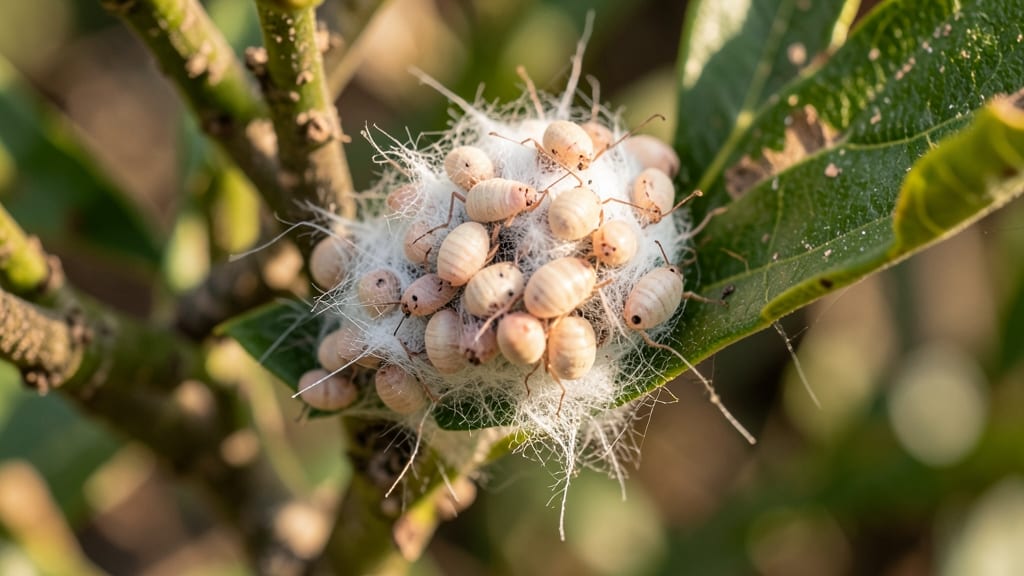
How to control mealybugs on outdoor shrubs—before they turn your camellia into a sticky mess. 🌿 These fluffy white pests thrive on outdoor shrubs, draining sap and leaving behind a gummy residue that attracts ants and sooty mold. The good news? A simple organic spray can stop them in their tracks—no harsh chemicals needed. The secret weapon is neem oil, a natural pesticide that disrupts mealybugs' life cycle while being safe for most plants. Mix it with soapy water (insecticidal soap) to smother their waxy coating, and reapply every 5-7 days until they vanish. Delicate shrubs like azaleas and hydrangeas respond well to this gentle approach. Within 24 hours, you'll see them dropping off, and new growth will emerge cleaner and stronger. The key is consistency—these pests multiply fast, so act at the first sign of cottony clusters hiding in leaf creases or stems. Works for roses, boxwoods, and even citrus trees. Here's the exact recipe and application tips to reclaim your shrubs without harming beneficial insects.
Why it happens
Mealybugs may seem like tiny, harmless pests, but they can quickly turn your lush outdoor shrubs into a white, sticky nightmare. These sap-sucking insects thrive in specific conditions, and understanding why they invade is the first step to stopping them.
Below, we break down the real culprits behind mealybug infestations—so you can outsmart them before they take over.
Mealybugs are heat-loving troublemakers. They thrive in warm, humid environments where temperatures hover between 70°F and 85°F (21°C–30°C). Here’s why:
- Slow Evaporation: High humidity creates a sticky, moisture-rich environment that mealybugs adore. Their waxy coating helps them retain water, making drought less of a threat.
- Reduced Predator Activity: Many natural predators (like ladybugs or lacewings) become less active in extreme heat or humidity, leaving mealybugs unchecked.
- Faster Reproduction: Warmth speeds up their life cycle—females can lay hundreds of eggs in weeks, not months.
Actionable Insight: If your shrubs are in a shady, sheltered spot (like near a dense fence or under a tree canopy), they’re likely trapping heat and moisture—perfect mealybug real estate.
Mealybugs have a weakness for weak plants. When shrubs are stressed—whether from poor nutrition, drought, or disease—they produce more sugary sap, which is like a five-star buffet for these pests. Here’s how stress invites them:
- Nutrient Deficiencies: Plants low in phosphorus or nitrogen (common in poor soil) produce weaker defenses and sweeter sap.
- Root Damage: Compacted soil or root rot disrupts water uptake, forcing plants to overcompensate with sugary leaves to attract pollinators—mealybugs exploit this.
- Physical Trauma: Pruning wounds, hail damage, or even bird pecking can create entry points for infestations.
Pro Tip: Yellowing leaves, stunted growth, or wilting? These are red flags that your shrubs are stressed—and mealybugs are likely lurking nearby.
In a balanced ecosystem, mealybugs rarely become a problem because nature has their own pest control. But when their predators vanish, populations explode. Here’s who’s missing—and why:
| Predator | Why They Disappear | How Mealybugs Win |
|---|---|---|
| Ladybugs | Overuse of broad-spectrum pesticides (even years prior) | No adults to lay eggs near infestations |
| Parasitic Wasps | Loss of diverse plant life (they need varied host plants) | Fewer wasps to inject eggs into mealybugs |
| Birds (e.g., warblers, thrushes) | Habitat destruction or lack of berry-producing plants | No birds to snack on clusters of mealybugs |
Key Takeaway: If your garden lacks beneficial biodiversity (e.g., no flowering plants, no leaf litter for insects to hide in), mealybugs move in like uninvited guests at a buffet.
Mealybugs hate wind. They prefer cozy, sheltered spots where air doesn’t flow freely. Here’s how stagnant air helps them:
- Higher Humidity: Still air traps moisture, creating the ideal 80%+ humidity they crave.
- Less Sun Exposure: Direct sunlight can dry out their waxy coating. Shady, enclosed areas (like dense shrubbery or greenhouses) protect them.
- Easier Spread: Without airflow, their cottony secretions (which carry eggs) stick to plants longer, spreading infestations faster.
Actionable Fix: Prune shrubs to open up their structure and improve airflow. Avoid overcrowding plants—give them space to breathe!
Quick Fixes for Mealybug Havoc
Mealybugs may seem like a stubborn pest, but with the right approach, you can reclaim your shrubs in no time! The key is to tackle the problem based on its root cause—whether it’s overcrowded plants, poor drainage, or an existing infestation.
Below, we’ve mapped out practical, organic solutions tailored to the most common triggers, plus prevention tips to keep these fuzzy pests from crashing your garden party again.
When shrubs are stressed from overcrowding, weak growth, or poor air circulation, mealybugs move in like uninvited guests at a buffet. Strengthen your plants’ immunity with these steps:
🌱 Step 1: Prune for Better Airflow
- Trim back dense foliage to improve airflow and sunlight penetration.
Mealybugs thrive in shady, damp conditions, so open up those branches! - Remove heavily infested branches (bag and dispose of them in the trash—not the compost). - Pro tip: 💡 Prune in the early morning when pests are least active, and sterilize your shears with rubbing alcohol between cuts.
💦 Step 2: Water Wisely
- Avoid overhead watering, which creates a sticky, sugary environment mealybugs love. Water at the base of the plant instead.
- Ensure proper drainage—soggy soil invites pests.
If your shrubs are in containers, check for drainage holes. - Pro tip: 🌡️ Water early in the day so foliage dries quickly, reducing humidity around the plant.
🍃 Step 3: Feed Them Right
- Fertilize lightly with a balanced, organic fertilizer (like fish emulsion or compost tea) to boost plant health. Over-fertilizing can weaken shrubs, making them more susceptible.
- Avoid high-nitrogen fertilizers, which promote soft, tender growth—mealybugs’ favorite snack.
If mealybugs have already set up camp, act fast with these DIY sprays that work in 24 hours or less. Safety first: Test sprays on a small leaf first to avoid damaging your plants.
👨🍳 Spray #1: Soap & Water Solution (Best for Light Infestations)
Ingredients:
- 1 tbsp mild liquid soap (like Castile soap)
- 1 quart warm water
- 1 tsp horticultural oil (optional, for extra stickiness)
How to Use:
- Mix ingredients in a spray bottle and shake well.
- Spray directly on mealybugs (they’ll look like cottony blobs) until fully coated.
- Reapply every 5–7 days until pests disappear.
- Pro tip: ✨ For stubborn bugs, add 1 tsp neem oil to the mix—it disrupts their life cycle.
🥘 Spray #2: Neem Oil Blend (Kills Eggs & Adults)
Ingredients:
- 1 tbsp neem oil
- 1 tsp dish soap (as an emulsifier)
- 1 quart water
How to Use:
- Mix in a bottle and shake vigorously before each use.
- Spray undersides of leaves (mealybugs love hiding there!) and stems.
- Apply in the evening to avoid harming bees.
- Pro tip: 🔥 Reapply every 7–10 days for 3–4 weeks to break their life cycle.
🔪 Spray #3: Alcohol & Water (Fast-Kill for Bad Cases)
Ingredients:
- 1 part rubbing alcohol (70% isopropyl)
- 3 parts water
- 1 tsp soap
How to Use:
- Mix and spray directly on mealybug clusters.
- Best for small, isolated infestations—alcohol evaporates quickly, so reapply if needed.
- Caution: Avoid spraying in direct sunlight (can burn leaves).
Once you’ve kicked the bugs out, lock the door with these long-term strategies:
- 🌿 Inspect new plants before bringing them home—quarantine for 2 weeks to spot hitchhikers. - 🕷️ Encourage natural predators: Ladybugs, lacewings, and parasitic wasps love mealybugs.
Plant dill, fennel, or yarrow to attract them. - 🧼 Clean up debris: Fallen leaves and spent blooms harbor eggs—remove and compost (or bag and trash). - 🎯 Monitor regularly: Check undersides of leaves and leaf axils (where stems meet leaves) weekly during warm months. - 🌡️ Mulch properly: Use organic mulch (like wood chips) but keep it 2–3 inches away from the stem to prevent moisture buildup.
If your shrubs are severely infested (think: sticky honeydew dripping everywhere) or the bugs keep coming back, it might be time to enlist professional help. A local eco-friendly pest control service can provide targeted treatments without harsh chemicals.
Remember: Consistency is key! Mealybugs reproduce fast, so stay vigilant and act quickly. With these organic fixes, your shrubs will be bug-free and thriving in no time. 🌿✨
Frequently asked questions
Why do mealybugs appear suddenly on my shrubs?
Mealybugs multiply quickly in warm, humid conditions (70°F–85°F) and target stressed plants. They often arrive after pruning, drought, or overcrowding—when shrubs produce extra sugary sap. Check for yellowing leaves or sticky residue (honeydew), which signals an active infestation.
Can I use vinegar to kill mealybugs on shrubs?
Vinegar works as a short-term kill (50% white vinegar + 50% water spray), but it’s not ideal for shrubs. The acidity can damage foliage, especially delicate varieties like azaleas. Use it only on hardy shrubs, and avoid spraying in direct sunlight.
How long does neem oil take to work on mealybugs?
Neem oil disrupts mealybugs’ life cycle within 24–48 hours, but you’ll see full results after 3–4 weeks of consistent applications. Spray every 7–10 days to break their reproductive cycle—adults die faster, but eggs may hatch later.
Will mealybugs spread to other plants in my garden?
Mealybugs hitchhike on wind, tools, or even ants (they farm them for honeydew). Isolate infested shrubs immediately and clean pruners with rubbing alcohol. Check nearby plants weekly, especially those with soft leaves like roses or citrus.
Can I save a shrub with heavy mealybug damage?
Yes, but act fast. Prune off heavily infested branches (don’t compost them!) and treat with neem oil or soapy water. For severe cases, consider a professional eco-friendly treatment. Most shrubs recover if you remove 70%+ of the pests within 2 weeks.