
Planting
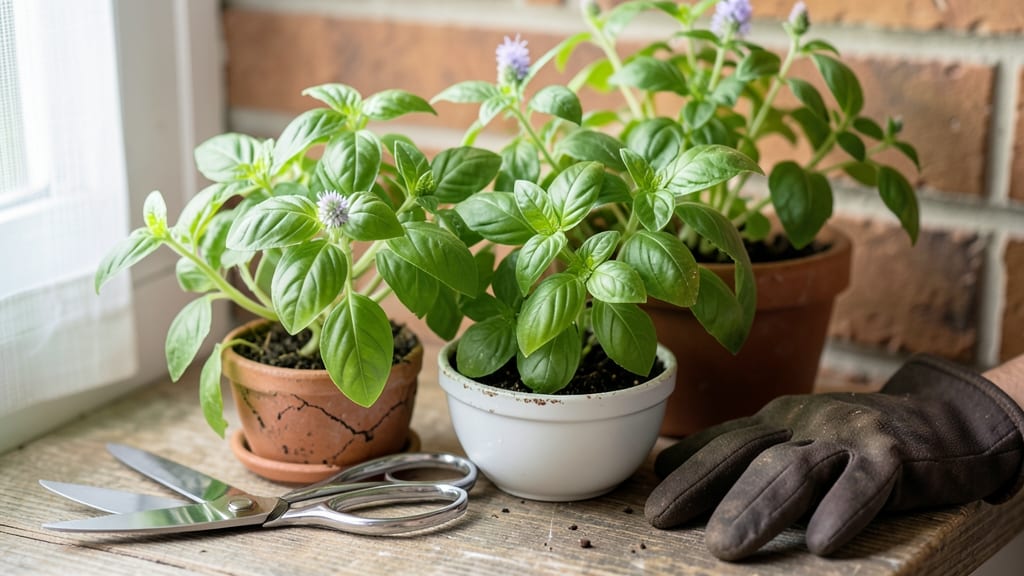
How to cut fresh basil off a plant the right way turns a single plant into a never-ending harvest. ✂️ I’ve learned the hard way—snipping too much or in the wrong spots stunts growth, while the right cuts make plants bushier and more productive. The secret lies in timing, technique, and which stems you choose to harvest.
Start by selecting healthy stems—look for ones with at least 4-6 leaves and avoid cutting into the woody base. Use clean scissors or pruners to snip just above a leaf node (where leaves meet the stem), leaving 2-3 inches of growth.
This encourages new branches to form, giving you more leaves in the long run.
Harvest early in the morning when oils are most concentrated, and focus on the outer stems first. Regular pruning—every 2-3 weeks—keeps basil lush and prevents it from flowering too soon. The result? A compact, productive plant that yields fresh leaves for months, not weeks.
This method works for both potted basil and garden beds, and it’s foolproof for beginners. Just remember: never take more than a third of the plant at once, or you’ll shock the roots.
With practice, you’ll have basil so prolific, you’ll wonder why you ever bought it from the store.
📚 In This Guide
- What you need
- Instructions
- Tips and common mistakes
- Wrapping up and next steps
What you need
- ● Fresh basil plant – A healthy, mature plant (at least 6–8 inches tall) with at least 6–8 leaves per stem for optimal regrowth.
- ● Sharp pruning shears or clean scissors – Must be sterilized (rubbing alcohol or boiling water) to prevent disease. Avoid dull tools—they crush stems!
- ○ Small bowl or container – For holding harvested stems (water optional if prepping for recipes).
- ○ Gloves (optional but recommended) – Protects hands from sap (which can irritate skin) and keeps fingers clean.
- ● Kitchen twine or rubber bands – To bundle stems for storage or gifting.
- ● Spray bottle with water – Lightly mist stems post-harvest to keep them fresh longer.
- ● Pencil or marker – Label stems if saving seeds or tracking varieties.
- ● Plastic bag with holes – For temporary storage (place stems in water + bag, then refrigerate).
- ● Sunlight & timing – Harvest in the morning after dew has dried (stems are crispest). Avoid harvesting after rain or in direct midday sun.
- ● Plant health check – Skip harvesting if your basil shows signs of yellowing leaves, wilting, or pests.
- ● Patience (3–5 days) – Wait until stems have at least 2–3 new leaves before harvesting again to encourage bushier growth.
Tips & tricks for pruning basil like a pro
These little details make all the difference between a basil plant that peters out and one that keeps giving you harvest after harvest.
Leaf Count Matters: That rule about 4-6 true leaves isn't arbitrary—it's about energy storage. Each leaf represents stored nutrients the plant will use to regrow. I've seen people cut stems with only 2-3 leaves, and while the plant survives, you'll notice the regrowth is slower and less vigorous. Think of it like saving for a vacation: you wouldn't spend all your savings on one trip, right? Same principle applies to your basil's energy reserves.
Cutting Angle Technique: The slight angle you make when cutting (away from the leaf node) isn't just about aesthetics—it's about plant health. This angled cut prevents water from pooling in the stem, which can lead to rot. I learned this the hard way after seeing several plants develop black spots at the cut site. When you angle the cut, you're essentially creating a little drainage channel. It's a small detail, but one that can extend your plant's productive life by weeks.
Harvest Frequency Balance: The instructions mention harvesting every 2-3 weeks, but here's the nuance: in hot summer months, you can actually harvest more frequently if you're gentle. I've found that in peak growing season, I can harvest every 10-14 days without stressing the plant, as long as I never take more than ⅓ at a time. The key is to monitor the plant's response—if you see new growth appearing within 3-5 days after harvesting, you're in the sweet spot. If growth slows down, that's your cue to back off.
Flower Bud Rescue Strategy: When you see those flower buds appearing, don't just snip them off—use them! Those tiny white flowers are edible and pack a peppery punch that's perfect for finishing dishes. I make it a habit to harvest them first, then use the stems in pesto or as a garnish. This two-step approach gives you both the flowers and the leaves, maximizing your harvest. Plus, removing them immediately prevents the plant from diverting energy toward seed production, keeping it focused on leaf growth instead.
Pro Tips for Cut Fresh Basil Off Plant
- These little details make all the difference between a basil plant that peters out and one that keeps giving you harvest after harvest.
- Leaf Count Matters: That rule about 4-6 true leaves isn't arbitrary—it's about energy storage.
- Cutting Angle Technique: The slight angle you make when cutting (away from the leaf node) isn't just about aesthetics—it's about plant health.
Frequently asked questions
Got questions about harvesting basil like a pro? Here are some of the most common ones—and their answers!
How often can I cut basil without harming the plant?
You can harvest basil every 2–3 weeks during its growing season (spring to fall). Avoid cutting more than 1/3 of the plant at once—this keeps it healthy and encourages bushier regrowth. If you’re growing basil in containers, be extra gentle to avoid stressing the roots.
What’s the best time of day to harvest basil?
Harvest basil in the morning after the dew has dried but before the heat of the day sets in. This ensures the leaves are fresh, flavorful, and less likely to wilt. Avoid harvesting in the evening if humidity is high—this can promote fungal issues.
Can I cut basil stems too close to the base?
No—always leave at least 2–3 inches of stem above the soil when pruning. Cutting too close can stunt regrowth or expose the plant to rot. If you accidentally trim too low, don’t worry! Just water thoroughly and avoid harvesting for a week to let it recover.
What if my basil turns yellow after cutting?
Yellowing leaves after pruning usually mean over-harvesting or stress. Give your plant a break, water consistently, and place it in bright, indirect light. If the yellowing persists, check for root rot or pests—adjust care as needed.
Can I use scissors or should I pinch basil by hand?
Both work! Clean, sharp scissors are great for thicker stems, while pinching by hand (removing leaves with your fingers) is ideal for smaller harvests. Just ensure your tools are sterilized to prevent disease. Pro tip: Wear gloves if your basil has thorns!
Wrapping up and next steps
Cutting fresh basil from your plant doesn’t have to be intimidating—with the right technique, you’ll encourage lush regrowth while harvesting flavorful leaves for your favorite dishes. 🌿 Whether you’re a seasoned gardener or just starting, mastering the stem-by-stem method ensures your basil thrives and keeps giving.
Now that you’re equipped with the know-how, grab those shears and get ready to enjoy homegrown basil all season long!
Ready to take it further? Experiment with recipes—think pesto, caprese salads, or even infused oils—to savor your harvest. Happy harvesting! 🌱