
Pruning
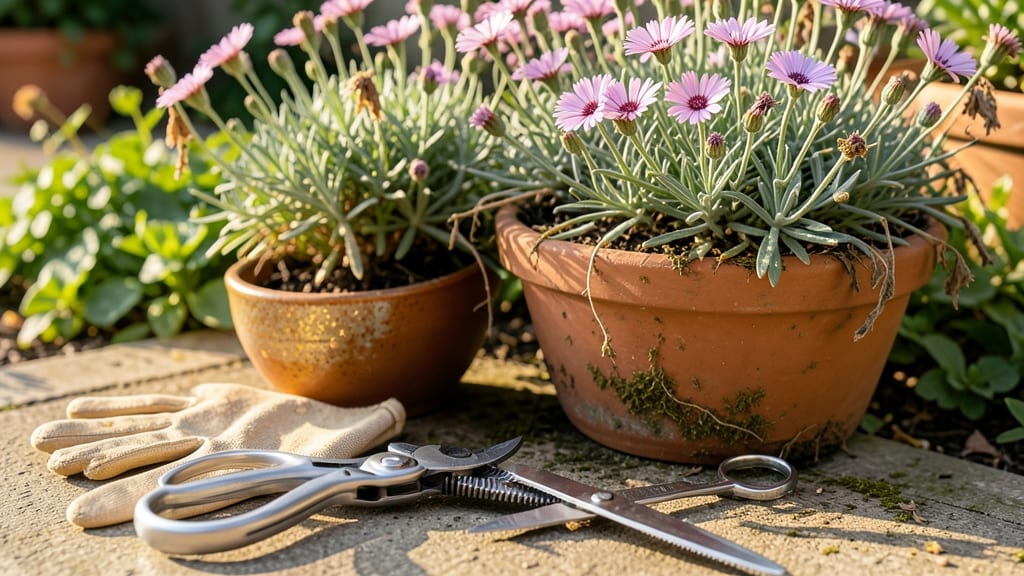
Deadheading dianthus in pots turns a single bloom into a cascade of color. 🌸 I’ve spent years watching these cheerful flowers fade into leggy stems—until I learned the 5-minute trick that keeps them flowering nonstop. The secret isn’t complex, but timing and technique make all the difference.
Start by snipping off the faded blossoms at the base, just above the first set of healthy leaves. Use clean pruners or even your fingers—no fancy tools needed. The goal is to encourage new buds without stressing the plant.
I’ve found that deadheading every 3-5 days in peak bloom season (spring and fall) keeps my dianthus looking fresh for months. What you’ll end up with is a pot bursting with new blooms in 2-3 weeks, not the sad, overgrown stems that ruin the look.
The fragrance alone makes it worth the effort—those crushed-petal scents linger in the air long after the flowers fade. Works for both sweet williams and cottage garden dianthus, and even small pots stay productive. Here’s exactly how to do it without killing your plants.
📚 In This Guide
- What you need
- Instructions
- Tips and common mistakes
- Wrapping up and next steps
What you need
- ● Sharp pruning shears or scissors: A pair with bypass blades (not anvil-type) to make clean cuts. Look for sterilized, stainless steel tools to prevent disease spread. Example brands: Felco, Fiskars, or Gingher.
- ○ Gloves (optional but recommended): Lightweight gardening gloves to protect your hands from thorns or rough stems. Choose nitrile-coated for durability.
- ● Compost or potting mix (small bag): A 1–2 gallon bag of well-draining, organic mix (e.g., 50% peat moss/coco coir + 50% perlite/sand) to refresh the pot after deadheading.
- ● Watering can or hose with a gentle nozzle: For post-pruning hydration. A 1-gallon capacity is ideal for small pots.
- ● Disinfectant (rubbing alcohol or bleach solution): A small bottle of 70% isopropyl alcohol or a 1:9 bleach-water mix to sterilize tools between cuts.
- ● Pruning saw: For stubborn, woody stems (rare in potted Dianthus, but handy for larger varieties).
- ● Knee pad or small stool: To avoid back strain when working with multiple pots.
- ● Plant food (balanced fertilizer): A 5–10-5 or 10-10-10 NPK ratio liquid fertilizer to give your Dianthus a post-pruning boost.
- ● Trash bag or bucket: For easy disposal of spent blooms and debris.
Step-by-Step instructions for deadheading dianthus in pots
Keep your potted dianthus flowering nonstop with this quick, foolproof method—no fancy tools needed.
✂️ Step 1: Wait Until Flowers Fade Naturally
Don't snip too early! Wait until the blooms on your dianthus show clear signs of fading—petals will start curling or turning brown at the edges. This usually happens 3-5 days after peak bloom, depending on your variety. You'll see the center of the flower drop slightly, signaling it's ready for deadheading.
I always check in the morning when petals are fully open. If you see 50% of the flowers in a cluster starting to wilt, that's your cue. Cutting too soon removes buds that could still open, while waiting too long lets seeds form and weakens the plant's energy for new blooms.
✂️ Step 2: Use Clean, Sharp Pruners or Fingers
Grab your clean pruning shears or simply pinch the faded blooms with your fingers—no special tools required. For clusters, cut just above the first set of healthy leaves below the dead flower head. This encourages branching and more flowers. If you're using fingers, pinch at a 45-degree angle to prevent water from pooling on the cut.
Here's the thing—always sterilize your shears between plants with rubbing alcohol. I keep a small bottle in my gardening caddy. Dianthus are tough, but fungal spores lurk on old blooms and can spread if your tools aren't clean. A 10-second wipe between pots keeps everything healthy.
✂️ Step 3: Remove Only the Spent Blooms, Not the Stem
Never cut the entire stem down to the base—this removes potential new flower buds hiding along the stem. Instead, focus on removing just the wilted flower cluster and any seed pods forming. Leave the green stem intact unless it's completely leafless or damaged. You'll see side shoots form within 2-3 weeks from these remaining stems.
For single-stemmed varieties, cut back to a pair of leaves below the flower. For bushier types, you can trim slightly harder to encourage denser growth. The key is to always leave at least one leaf pair—this is where the plant draws energy for new blooms.
🌿 Step 4: Check for New Blooms and Repeat Weekly
After deadheading, inspect the plant for new buds forming at the stem bases. These will open within 7-10 days if your dianthus is happy. I check my pots every 5-7 days during active blooming seasons (spring and fall) and weekly in summer when growth is fastest.
Real talk: if you see mostly leaves with no buds, your plant might need more light. Dianthus love 6+ hours of sun daily. Move your pots to a sunnier spot and cut back on watering slightly—overly wet soil stresses plants and delays flowering.
⏰ Step 5: Adjust Frequency for Seasonal Changes
In spring and fall, you'll deadhead more often—sometimes every 3-5 days during peak bloom periods. But during summer heat or winter dormancy, cut back to every 2-3 weeks. You'll notice new growth slows in cooler months, so don't be surprised if flowers take longer to form.
Here's my pro tip: mark your calendar when you last deadheaded each pot. This prevents you from accidentally cutting fresh buds that you might have missed. And if you see any stems getting leggy (stretched and bare), give them a light trim to encourage bushier growth.
Tips & tricks for perfect dianthus maintenance
These little details make all the difference when keeping your potted dianthus blooming beautifully.
Timing is Everything: I've learned the hard way that morning is the best time to deadhead—those dew-covered petals make it easier to spot the subtle color changes signaling a spent bloom. The 7-10 day schedule in Step 5 works perfectly, but I've found that in hot summers, I need to check every 5-6 days since flowers fade faster when temperatures climb. Between us, that's when I notice the most new buds forming within those magical 7-10 days mentioned in Step 3.
Tool Technique: Here's what nobody tells you—your pruning shears don't need to be fancy, but they do need to be sharp. I keep a small pair dedicated just to my dianthus and sharpen them every few months. The key in Step 2 is making clean cuts just above the leaf node—if you're leaving stubs, you're wasting the plant's energy trying to heal them instead of growing new blooms. I angle my cut slightly to see exactly where that next leaf or bud appears.
Visual Cues for New Growth: After fertilizing in Step 4, I watch for tiny pink buds forming at the base of stems within 2-3 weeks. These are your reward for the work! To spot them easier, I work my way around each plant in a circular motion as mentioned in Step 3. If you're not seeing new growth after 3 weeks, your fertilizer might be too strong—dilute it further next time.
Winter Care Secret: Cold weather slows everything down, but don't skip deadheading in winter. I check my dianthus weekly during cooler months because flowers fade faster when nights are chilly. The plants appreciate the consistent care, and you'll be rewarded with fresh blooms even in winter—just give them that light feeding after each deadheading to keep them energized.
Pro Tips for Deadhead Dianthus In Pots
- These little details make all the difference when keeping your potted dianthus blooming beautifully.
- Timing is Everything: I've learned the hard way that morning is the best time to deadhead—those dew-covered petals ma...
- Tool Technique: Here's what nobody tells you—your pruning shears don't need to be fancy, but they do need to be sharp...
Frequently asked questions
Got questions about deadheading dianthus in pots?
You’re not alone! Here are some of the most common concerns—and quick, practical answers to keep your plants thriving.
When is the best time to deadhead dianthus?
Deadhead dianthus after the blooms fade but before the seed pods form. For spring/summer bloomers, aim for late morning after dew dries. In fall, deadhead as flowers wilt to encourage a second flush. Pro tip: Never deadhead in freezing temps—wait until soil is at least 50°F (10°C).
Do I need special tools to deadhead dianthus?
Nope! Use clean, sharp scissors or your fingers—just avoid tearing stems. For stubborn blooms, small pruning shears work. Warning: Sterilize tools with rubbing alcohol between plants to prevent disease. A dull tool crushes stems, stressing the plant.
What if my dianthus stops blooming after deadheading?
Over-pruning or nutrient deficiency could be the culprit. Check for:
- Light: Ensure 6+ hours of sunlight daily.
- Water: Keep soil evenly moist but not soggy.
- Fertilizer: Use a balanced 10-10-10 or phosphorus-rich formula after deadheading.
Can I deadhead dianthus in winter?
Only if your climate is mild (Zone 7+). In colder areas, let faded blooms stay until spring—they protect tender stems from frost. Exception: Remove blackened, diseased flowers immediately to prevent rot. For potted dianthus, move containers to a sheltered spot if frost is forecasted.
What’s the difference between deadheading and pruning dianthus?
Deadheading = removing spent blooms to encourage more flowers. Pruning = trimming overgrown foliage or leggy stems (usually in early spring). Key rule: Never prune more than ⅓ of the plant at once—dianthus is a lightweight!
Wrapping up and next steps
Deadheading dianthus in pots is a simple yet powerful way to keep your plants thriving and blooming all season long! 🌸 With just a few minutes of care, you’ll encourage vibrant flowers, stronger growth, and a neat appearance—no green thumb required.
Ready to enjoy that year-round color? Grab your shears and get started today, then watch your dianthus reward you with lush, continuous blooms!
💡 Next step: Once you’ve mastered deadheading, explore fertilizing tips or repotting techniques to give your dianthus an extra boost!