
Picking
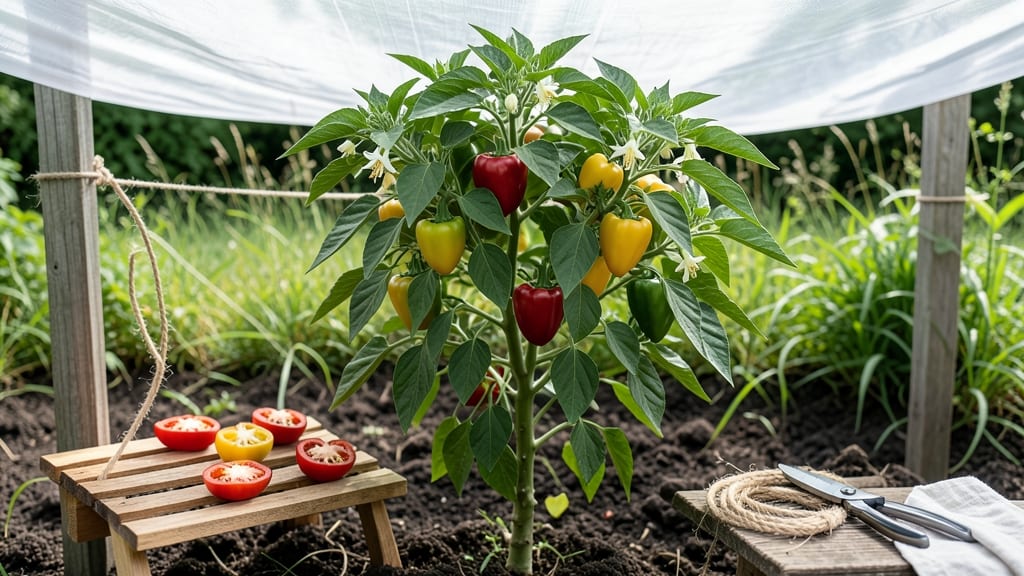
Sun-dried peppers pack bold, concentrated flavor in just three days—no dehydrator needed. 🌞 I've turned my backyard into a pepper-drying station for years, and the secret isn't just sunshine—it's prep, airflow, and knowing when they're ready.
One wrong move and you end up with moldy peppers or chewy messes instead of crisp, flavorful spice. The right peppers make all the difference: jalapeños, serranos, and cayennes dry into perfect chipotle candidates, while bell peppers become sweet, leathery strips for stuffing.
Start with firm, unblemished peppers, wash them gently, then slice or leave whole depending on size. Too thick? They'll never dry properly. Too thin? They'll turn to dust. By day three, your peppers should be dry to the touch but still pliable—not brittle.
Store them in glass jars with a sprinkle of salt or vinegar to preserve their punch for months. The first batch you dry will change how you use peppers forever—no more store-bought flakes when you can make your own.
Works for any pepper variety, from mild to fiery, and adapts to different climates. Here's how to get it right the first time—no guesswork, just perfect sun-cured spice.
📚 In This Guide
- What you need
- Instructions
- Tips and common mistakes
- Wrapping up and next steps
What you need
- ● Fresh peppers: Any variety (jalapeños, serranos, bell peppers, etc.). Aim for 1-2 pounds for a small batch or 5-10 pounds for larger quantities.
- ● Sharp knife or pruning shears: For cleanly slicing peppers into ¼-inch to ½-inch thick strips or halves/quarters (depending on size).
- ● Cutting board: A clean, stable surface to prep your peppers.
- ● Baking sheet or clean tray: Use a wire rack or mesh screen (if available) to allow airflow underneath.
- ● String or twine: For hanging peppers (if using the hanging method). A 10-15 foot length should suffice for 1-2 pounds.
- ○ Clothespins or drying clips: 10-20 clips to secure pepper strips to a clothesline or frame (optional but helpful).
- ● Paper towels or clean kitchen towel: To pat peppers dry before drying (removes excess moisture for faster drying).
- ● Food-safe storage containers or jars: Air-tight glass jars or vacuum-sealed bags for long-term storage (e.g., quart-sized jars for small batches).
- ● Dehydrator: If you want to speed up drying (especially in humid climates) or finish drying indoors.
- ● Screen or mesh drying rack: Elevates peppers off surfaces to prevent mold from trapped moisture.
- ● Fan or ventilation source: Helps circulate air around peppers for even drying (great for indoor setups).
- ● Spice rub or salt: Lightly coat peppers with salt, smoked paprika, or garlic powder before drying for extra flavor.
- ● Humidity indicator: A hyrometer or DIY method (like a damp cloth) to check if humidity is too high for safe sun-drying.
- ● Labeling supplies: Masking tape + marker to label jars with pepper type and date.
Step-by-step instructions for drying peppers in the sun
Here’s how I dry peppers perfectly every season—no fancy equipment needed.
☀️ Step 1: Harvest and Prep Peppers for Drying
Pick peppers when they’re fully ripe but still firm—this ensures the best flavor and texture. I like to harvest on a dry morning so dew doesn’t cling to the skins. Cut the stems off with a clean knife, leaving about ½ inch of stem attached to help hang them later.
Give the peppers a quick rinse under cool water to remove any dirt or debris, then pat them dry with a clean towel. This step is key—wet peppers won’t dry evenly and can develop mold. Arrange them on a clean surface to air out for 30 minutes before moving to the next step.
✂️ Step 2: Cut and String Peppers for Even Drying
Slice peppers into ¼-inch thick strips or leave them whole if they’re small, like banana peppers or jalapeños. I prefer strips for even drying, but whole peppers work too if you’re short on time. Remove the cores and seeds unless you want extra heat—seeds contain capsaicin, which can make your dried peppers spicier.
Thread the pepper pieces onto a clean, ¼-inch thick string or twine, spacing them about 1 inch apart. This spacing is crucial—it allows airflow around each piece so they dry uniformly. If you’re drying whole peppers, tie a string around the stems in small bundles of 3-4 peppers each.
🪴 Step 3: Choose the Best Drying Location
Find a spot that gets full sun for at least 6-8 hours daily with good airflow—like a covered porch, patio, or even a sunny windowsill indoors. Avoid areas with high humidity or shade, as this slows drying and risks mold. I hang my pepper strings from a clothesline or a sturdy hook, ensuring they’re not touching anything.
If you’re drying in a humid climate, bring the peppers indoors at night to prevent moisture buildup. You’ll know they’re ready when the peppers feel dry and papery to the touch—usually within 3-5 days, depending on weather. Check daily and rotate the strings so all sides get equal sun exposure.
⏰ Step 4: Test for Doneness and Store Properly
After 3 days, gently press a pepper strip between your fingers. If it crumbles easily and feels completely dry, they’re ready. If they still feel slightly pliable, give them another day or two. Over-drying can make peppers brittle and lose flavor, so aim for that perfect balance—dry but still vibrant.
Once fully dried, remove the peppers from the strings and store them in an airtight container, like a glass jar or resealable bag. Keep them in a cool, dark place—like a pantry or cupboard—to preserve their flavor and potency. Properly stored, dried peppers can last for up to a year, though they’ll be most flavorful within the first few months.
Tips & tricks for perfect sun-dried peppers
These simple strategies will help you avoid common pitfalls and achieve perfectly preserved peppers every time.
Selection Tip: Choose peppers that are fully ripe but still firm to the touch—this ensures the best flavor and texture. I always harvest on a dry morning to prevent dew from clinging to the skins, which can create moisture and lead to mold. If you're working with peppers that have dew or rain on them, give them an extra 15 minutes to air out before proceeding with the drying process.
Cutting Consistency: When slicing peppers into ¼-inch thick strips, use a sharp knife and cut perpendicular to the pepper's natural curve for even thickness. This ensures all pieces dry at the same rate. For extra efficiency, you can also use a mandoline slicer if you have one—just be sure to remove the seeds and cores first to prevent uneven drying.
Stringing Strategy: The 1-inch spacing between pepper strips on your string is crucial for even airflow. I like to use a ¼-inch thick twine because it's sturdy enough to hold the peppers but thin enough to allow good circulation. If you're drying whole peppers, bundle them in groups of 3-4 to maintain proper spacing and prevent crowding.
Humidity Rescue: If you're drying peppers in a humid climate, bring them indoors at night to prevent moisture buildup. A simple trick I use is to place a small fan near the drying area during the day to improve airflow. You'll know your peppers are ready when they feel dry and papery to the touch—usually within 3-5 days—but check daily and rotate the strings to ensure all sides get equal sun exposure.
Pro Tips for Dry Peppers In The Sun
- These simple strategies will help you avoid common pitfalls and achieve perfectly preserved peppers every time.
- Selection Tip: Choose peppers that are fully ripe but still firm to the touch—this ensures the best flavor and textur...
- Cutting Consistency: When slicing peppers into ¼-inch thick strips, use a sharp knife and cut perpendicular to the pe...
Frequently asked questions
Got questions about sun-drying peppers? You’re not alone! Here are answers to the most common concerns to help you master this simple, rewarding process.
How long does it take to dry peppers in the sun?
Drying time depends on weather and pepper type, but most take 3–5 days in full sun (8–12 hours/day). Hot, dry climates speed it up, while humidity slows progress. Check for crispness—peppers should crumble easily when squeezed. If they’re still pliable, leave them out another day.
What if it rains while drying my peppers?
Don’t panic! Move peppers indoors to a cool, dry, well-ventilated spot (like a pantry or under a fan) until the weather clears. If they get damp, they’ll mold. If drying is nearly done, finish them in a 200°F (93°C) oven for 1–2 hours to ensure safety.
Can I dry peppers without direct sunlight?
Yes! If you lack sunny weather, try these alternatives:
- Dehydrator: Set to 135°F (57°C) for 4–6 hours.
- Oven: Use the lowest setting (170°F/77°C) with the door cracked open for 4–8 hours.
- Screen or rack: Hang peppers in a breezy, shaded spot (e.g., a porch with airflow).
How do I prevent mold or pests from ruining my dried peppers?
Mold and bugs are the biggest threats! Prevent them with these tips:
- Harvest peppers when fully ripe but not overripe.
- Wash peppers just before drying (not earlier) to avoid moisture buildup.
- Store dried peppers in airtight containers (glass jars or Mylar bags) with a silicone packet to absorb moisture.
- Freeze peppers for 24 hours before drying to kill pests.
How do I know when peppers are fully dried?
Perfectly dried peppers should be leathery, wrinkled, and crisp when bent. They’ll also:
- Crunchle slightly when squeezed.
- Pull apart easily into thin strips.
- Feel lightweight (they lose ~80% of their original weight!).
Wrapping up and next steps
Drying peppers in the sun is a simple, rewarding way to preserve their bold flavors and unlock their full potential in your kitchen.
With just a few tools and a sunny day, you can transform fresh peppers into versatile, long-lasting spices—whether for cooking, garnishes, or homemade hot sauces. Now that you’re ready to harness the sun’s power, why not experiment with different varieties? Try drying jalapeños for a smoky kick or cayennes for heat, then share your creations with friends or store them for future meals.
Happy drying! 🌞✨