
Pests and Diseases
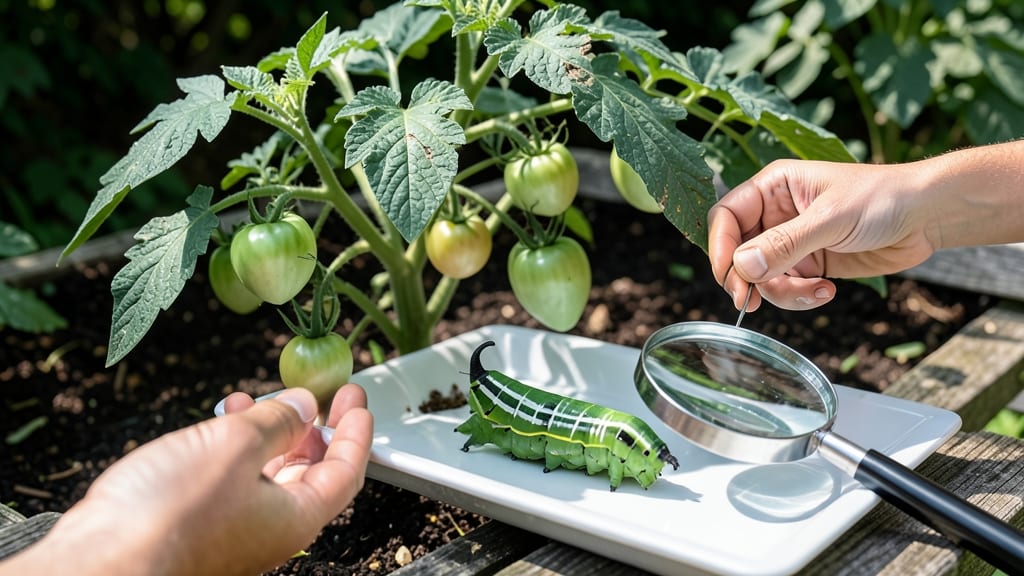
How to find hornworms in your garden before they turn your tomatoes into a skeleton buffet is the first step to saving your plants. 🌱 The green, striped caterpillars with their dramatic "horns" are hornworms—and they’re devouring your plants before you even notice. These nightmarish nibblers thrive in warm weather, turning lush foliage into skeleton leaves overnight.
Spotting them early is key. Start by checking the undersides of leaves and near growing tips—those are their favorite hideouts. Look for white diagonal stripes, a black horn at the tail, and chewed leaves with ragged edges.
They’re masters of camouflage, so scan carefully, especially in the late afternoon when they’re most active.
Once you find them, act fast. A simple gloved hand or soapy water spray will remove them without harming your plants. The sooner you intervene, the sooner your tomatoes can rebound—no more mystery leaf loss or stunted growth.
Regular checks keep these pests from turning your garden into their all-you-can-eat buffet.
Pro tip: Plant basil nearby—hornworms can’t resist it, but it won’t harm them. This gives you an early warning system while keeping your tomatoes safe. Now grab those gloves and get hunting—your garden’s future depends on it.
📚 In This Guide
- What you need
- Instructions
- Tips and common mistakes
- Wrapping up and next steps
What you need
- ○ Flashlight or headlamp: A bright, handheld flashlight (preferably LED, 100+ lumens) or a headlamp with a red light mode (to avoid scaring nocturnal pests). Optional: UV flashlight for better visibility at night.
- ● Gloves: Lightweight gardening gloves (nitrile or cotton) to protect your hands from thorns and potential bites.
- ● Pruning shears or scissors: Sharp, clean pruners (bypass-style) to trim tomato plants and inspect leaves/fruit.
- ○ Magnifying glass (optional): A 2x-4x handheld magnifier to spot tiny hornworm eggs or early-stage larvae.
- ● Tomato plants: Healthy, established plants (especially Solanum lycopersicum varieties like ‘Better Boy’ or ‘Cherokee Purple’—hornworm favorites!).
- ● Water spray bottle: A 16-oz bottle with a fine mist nozzle to dislodge hidden larvae from leaves.
- ● Notebook & pen: To log hornworm sightings, plant locations, and treatment notes.
- ● Bucket or container: A 5-gallon bucket with soapy water (1 tbsp dish soap per gallon) for humane disposal.
- ● Timing: Early morning (5–7 AM) or late evening (8–10 PM) when hornworms are most active. Pro tip: Check after rain—wet foliage makes them easier to spot!
- ● Weather: Mild, overcast days (avoid extreme heat or wind, which can hide them).
Step-by-Step instructions for hunting down hornworms in your garden
Here's how I spot these striped caterpillars before they skeletonize your tomato plants.
🌿 Step 1: Scout Early Morning or Late Evening
Hornworms are most active when temperatures are cooler. Head outside within an hour of sunrise or after sunset when they're actively feeding. I like to carry a small flashlight to spot them on the undersides of leaves where they blend into the foliage. The key is patience—these caterpillars freeze instantly when disturbed, so move slowly.
Look specifically at the youngest leaves of your tomato plants, especially those with noticeable damage. Hornworms prefer tender new growth, and you'll often find them near the leaf margins where they've been feeding. The larger the caterpillar, the more damage you'll see—think Swiss-cheese holes in leaves or completely stripped stems.
🌱 Step 2: Examine Leaf Undersides and Plant Stems
Hornworms have a knack for hiding where you least expect them. Flip over leaves to check the undersides—this is their favorite camouflage spot. I use my fingers to gently lift leaves, being careful not to crush any eggs or smaller caterpillars that might be hiding nearby. Pay special attention to the veins and midribs where they often anchor themselves.
Run your hands along the main stems of your tomato plants, especially near leaf nodes. Larger hornworms (up to 4 inches long) sometimes rest along stems during the day. You'll feel their rough, segmented bodies before you see them. If you spot one, it'll likely be green with white diagonal stripes and a distinctive "horn" at the rear end.
🌿 Step 3: Check for Eggs and Frass (Caterpillar Poop)
Prevention starts with early detection. Look for tiny yellow eggs (about 1/16 inch long) laid singly on the undersides of leaves. These are hornworm eggs, and finding them means you've got a future infestation on your hands. I use a magnifying glass to inspect the youngest leaves first, as that's where moths prefer to lay their eggs.
Keep an eye out for black, pellet-like frass (caterpillar droppings) on leaves below feeding sites. This is a dead giveaway that hornworms have been dining nearby. I check for frass every 2-3 days during peak tomato season (June through August) to catch infestations before they spiral out of control.
✂️ Step 4: Handpick During Peak Activity Hours
The best time to handpick hornworms is when they're most active and visible. I do this between 10 AM and 4 PM when they're out feeding. Grab them by the thickest part of their body (near the head) and drop them into a bucket of soapy water. Never squeeze them—they can release a foul-smelling liquid when threatened.
For larger infestations, I wear gloves and work systematically from the bottom of the plant upward. Check the top and bottom of each leaf, as well as the fruit clusters. Hornworms sometimes hide in the leaf axils where stems meet leaves. If you're dealing with a heavy infestation, consider repeating this process every 3-4 days until you've eliminated the problem.
🌱 Step 5: Inspect Nearby Plants and Garden Edges
Hornworms don't just target tomatoes—they'll also feast on peppers, eggplants, and potatoes. Expand your search to nearby nightshade plants and the edges of your garden beds, where they often hide in weedy areas. I check the undersides of leaves on basil, parsley, and other herbs too, as hornworms sometimes use these as hiding spots.
Pay attention to wild nightshade plants growing at the garden's perimeter. These act as a buffer, attracting hornworms away from your cultivated crops. If you find hornworms on these plants, it's a sign they're migrating toward your tomatoes—time to step up your scouting efforts.
Tips & tricks for spotting tomato hornworms before damage strikes
Here's what nobody tells you about catching these sneaky pests before they ruin your harvest.
Timing Secret: The 6:30 AM or 8:00 PM window is non-negotiable for maximum visibility. I've learned this the hard way—checking at noon means missing 90% of them because they're masters of camouflage. If you can't make those times, try overcast days when shadows are minimal and visibility improves.
Visual Cue Mastery: In Step 1, focus on the "skeletal leaves" clue—it's your early warning system. These caterpillars leave behind leaves with just the main veins intact, looking like lace. I train my eye to spot this pattern first, then hunt for the culprit. The distinctive white V-shaped stripes are the giveaway, but they only appear when the caterpillar is at least 2 inches long.
Equipment Upgrade: That hand trowel in Step 2 isn't just for show—it's your secret weapon for gentle leaf inspection. I've tried using fingers, but you risk crushing eggs or disturbing larvae. A small, flexible trowel costs under $5 and makes all the difference when checking those hard-to-reach leaf axils where eggs cluster.
Early Detection Payoff: The 3-5 day window for egg hatching in Step 2 is your critical period. I mark my calendar with a reminder to check for eggs every 3 days during June-August. When I spot those yellow clusters, I immediately isolate the plant and monitor it daily—this has saved my tomato plants from complete defoliation more times than I can count.
Pro Tips for Find Hornworms
- Here's what nobody tells you about catching these sneaky pests before they ruin your harvest.
- Timing Secret: The 6:30 AM or 8:00 PM window is non-negotiable for maximum visibility.
- Visual Cue Mastery: In Step 1, focus on the "skeletal leaves" clue—it's your early warning system.
Frequently asked questions
Got questions about hunting down hornworms? You’re not alone! Here are some of the most common queries gardeners have when tracking these tomato-loving caterpillars.
When is the best time of day to find hornworms?
The best time to spot hornworms is early morning or late afternoon. They’re most active when temperatures are cooler (60–75°F), making them easier to spot on leaves or stems. Avoid midday—they’ll be hiding to avoid predators and the sun!
What do I do if I can’t find any hornworms but my tomatoes are still being eaten?
If hornworms are MIA but your plants look chewed up, check for other culprits like Colorado potato beetles, slugs, or even birds. Also, inspect the undersides of leaves and near the soil—hornworms sometimes camouflage well or pupate underground.
Are hornworms harmful if I accidentally touch them?
No need to panic! Hornworms are harmless to humans—they can’t bite or sting. However, they have tiny spines that might feel prickly if they brush against your skin. Just wash your hands after handling them, and you’re good to go!
Can I find hornworms in containers or just in-ground gardens?
Hornworms thrive in both container gardens and in-ground plots. If you’re growing tomatoes in pots, check the leaves and stems thoroughly. They love compact spaces where they can hide easily—so don’t skip those cozy nooks!
What’s the easiest way to tell a hornworm apart from other caterpillars?
Hornworms are easy to spot thanks to their green bodies with white stripes and a distinctive “horn” at the rear. Unlike other caterpillars, they’re usually solitary and blend perfectly into tomato foliage. Pro tip: Shake the plant gently—they’ll freeze instead of scurrying away!
Wrapping up and next steps
Finding hornworms in your garden is easier than you think—and it’s a game-changer for protecting your tomato plants! 🌱 By mastering a few simple techniques, like handpicking, setting up traps, and scouting at dawn, you’ll keep those pesky pests in check without harsh chemicals.
Remember, these hungry caterpillars aren’t all bad—they’re nature’s cleanup crew for your garden!
Now that you’re equipped with the know-how, grab your gloves and head outside! Start by checking your tomato plants this weekend, and watch your harvest thrive. Happy gardening—your tomatoes (and future hummingbirds!) will thank you. 🐝🍅