
How To
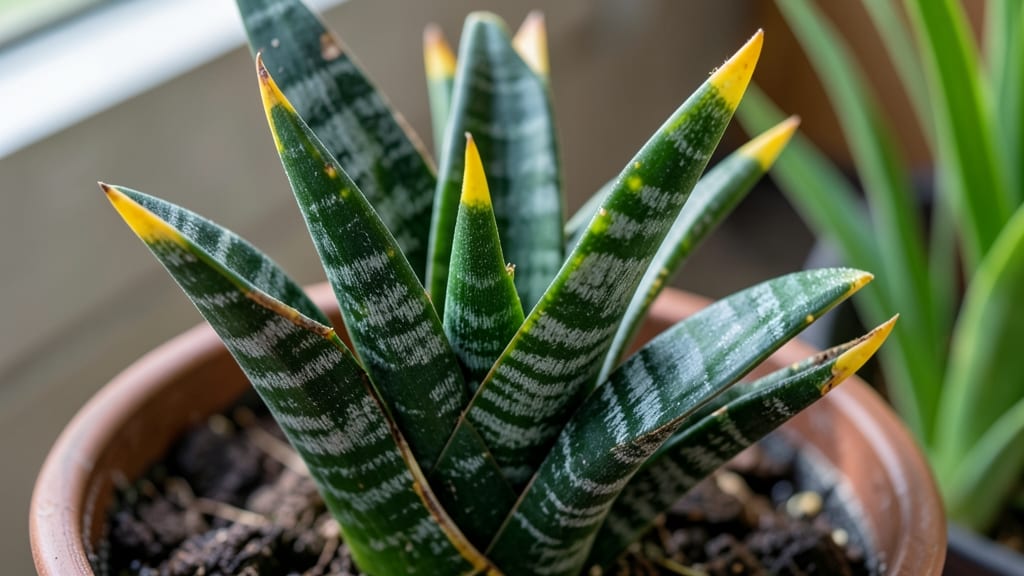
How to fix an overwatered snake plant isn’t as hard as it seems—those yellow leaves are just a sign it’s time to step in. 🌱 I’ve nursed back more than a dozen overwatered snake plants, and the secret lies in quick action and smarter watering habits. The moment you see those telltale yellow patches, you’ve got a 72-hour window to turn things around before root rot takes over.
Start by yanking the plant from its soggy pot and giving the roots a once-over. Healthy roots are firm and white; mushy or black roots? Snip those off with clean scissors. Repot into fresh, well-draining soil—think cactus mix or a blend with perlite—and pick a pot with drainage holes.
Snake plants hate wet feet, so let the top 2-3 inches of soil dry out completely before watering again.
Within a week, you’ll see new growth pushing through, and those yellow leaves will start to crisp up and fall away. The real magic happens when you adjust your routine: water once every 2-3 weeks (yes, really) and place your plant in bright, indirect light.
Overwatering is the #1 killer of snake plants, but with this fix, yours will bounce back stronger than ever.
Confession: I used to drown mine too, thinking more water meant happier plants. Now I treat them like the drought-tolerant survivors they are—and so can you. The key is patience: recovery takes time, but the results are worth it.
Your snake plant will be back to its thriving, upright self in no time.
📚 In This Guide
- What you need
- Instructions
- Tips and common mistakes
- Wrapping up and next steps
What you need
- ● Well-draining potting mix: 1–2 bags (look for a cactus or succulent mix or blend with perlite/pumice for better aeration). Quantity: Enough to repot your plant (typically 1–3 gallons, depending on size).
- ● Pot with drainage holes: 1 (slightly larger than the current pot, but not too big—aim for 1–2 inches wider in diameter). Material: Terracotta or ceramic (helps wick away moisture).
- ○ Gloves (optional but recommended): 1 pair (to protect hands from soil bacteria or sharp edges).
- ● Pruning shears or clean scissors: 1 pair (sterilized with rubbing alcohol).
- ● Paper towels or clean cloth: 1 roll or stack (for blotting excess water).
- ● Spray bottle (with room-temperature water): 1 (for gentle misting if needed).
- ○ Fungicide (optional but helpful): 1 bottle (copper-based or neem oil spray to prevent root rot).
- ● Perlite or pumice: Small bag (to amend heavy soil if needed).
- ● Rooting hormone: 1 small tube (speeds up recovery if replanting damaged roots).
- ● Humidity tray or pebbles: 1 (if your home is very dry post-repotting).
- ● Grow lights (LED or fluorescent): 1–2 (if natural light is limited during recovery).
Tips & tricks for reviving an overwatered snake plant
Here's what nobody tells you—those yellow leaves aren't a death sentence. With these simple tricks, you can bring your snake plant back to life faster than you think.
Root Inspection Tip: When you're checking roots in Step 1, don't be afraid to get thorough! Use a small hand mirror to see roots you can't reach with your fingers. I learned this the hard way after missing some hidden rot—always check the undersides and between root clusters. Healthy roots should feel like firm toothpicks, while rotten ones will squish like overcooked pasta.
Drainage Layer Strategy: For Step 2, if you don't have pebbles or perlite, crushed eggshells work in a pinch—they're free and provide excellent drainage. Just bake them clean first (350°F for 10 minutes) to kill any bacteria. The 1-2 inch layer is crucial—this creates space for water to escape rather than pool around roots. I've seen snake plants recover completely just from this one change.
Light Position Secret: In Step 3, if your home only has north-facing windows, place your plant within 2 feet of the glass for maximum indirect light. Snake plants can tolerate lower light than most houseplants, but bright indirect is ideal for recovery. You'll notice new growth within 2-4 weeks if the roots are healthy—look for those signature upright leaves pushing through the base.
Watering Test: After the 4-6 week waiting period, test soil moisture by pushing a wooden skewer 2-3 inches deep. If it comes out clean, it's time to water. If it has moisture, wait another week. This finger-stick method is foolproof—I've used it for years and never overwatered again. The key is consistency: snake plants thrive on neglect, not attention.
Pro Tips for Fix Overwatered Snake Plant
- Here's what nobody tells you—those yellow leaves aren't a death sentence. With these simple tricks, you can bring you...
- Root Inspection Tip: When you're checking roots in Step 1, don't be afraid to get thorough! Use a small hand mirror t...
- Drainage Layer Strategy: For Step 2, if you don't have pebbles or perlite, crushed eggshells work in a pinch—they're ...
Frequently asked questions
Got questions about reviving your soggy snake plant? You’re not alone! Here are some of the most common concerns—and quick fixes—to get your plant back on track.
How often should I water my snake plant after fixing overwatering?
Once you’ve corrected the issue, let the soil dry out completely between waterings—usually every 2–4 weeks. Stick your finger 2 inches into the soil; if it’s dry, it’s time to water. Snake plants thrive on neglect, so err on the side of underwatering until you see new growth!
Will my snake plant survive if the leaves turn mushy and black?
Unfortunately, mushy or black leaves are a sign of root rot, which can be fatal if untreated. Trim the affected leaves at the base with clean scissors, repot the plant in fresh, well-draining soil, and avoid watering for 1–2 weeks. If the roots smell foul or are brown/mushy, prune those too—healthy roots are firm and white.
How long does it take for a snake plant to recover from overwatering?
Recovery time varies! With proper care (draining soil, less water, bright indirect light), you may see new growth in 4–8 weeks. If the roots were severely damaged, it could take 2–3 months. Be patient—snake plants are resilient, but they need time to bounce back. Avoid fertilizing until you spot fresh leaves!
Can I use hydrogen peroxide to help fix overwatered snake plant roots?
Yes! Mix 1 part 3% hydrogen peroxide with 4 parts water and soak the roots for 10 minutes to kill fungus/bacteria. Rinse thoroughly, then repot in fresh soil. This won’t replace proper drainage, but it can boost recovery by reducing rot risk. Use it once as a last resort—don’t overdo it!
What’s the best soil mix to prevent overwatering in the future?
Snake plants need fast-draining soil. Mix:
- 60% cactus/succulent soil
- 20% perlite or pumice (for aeration)
- 20% coarse sand or orchid bark
Wrapping up and next steps
Your snake plant is tougher than you think—with the right care, it’ll bounce back from overwatering like a pro! 🌱 Remember, drainage, patience, and moderation are your best tools. Start by adjusting your watering routine, then monitor progress closely.
Next, celebrate the small wins—like new growth or firmer leaves—and keep refining your approach. Before you know it, your snake plant will be thriving again! 💚