
How To
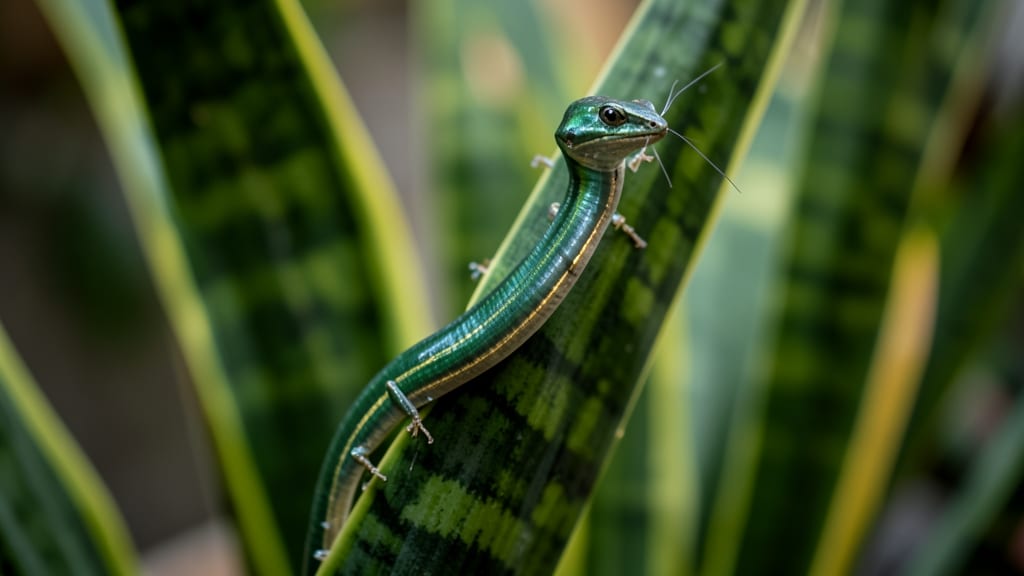
How to make snake plants grow tall—their growth potential is hidden in plain sight: bright indirect light and the right soil mix can turn those stubby leaves into dramatic, towering swords. 🌱 I’ve watched mine go from 6 inches to over 3 feet in just two years by making two simple adjustments: more light exposure and a fast-draining soil blend. The key? Stop guessing and start measuring.
Most people overwater and underlight, which stunts growth. Snake plants thrive in medium to bright indirect light (think east or north-facing windows) and need soil that dries out completely between waterings. Use a mix of cactus soil with perlite or pumice to prevent root rot—the #1 growth killer.
Prune leggy leaves at the base to encourage new, taller shoots, and fertilize lightly in spring with a balanced houseplant food. Patience is key—real height gains happen in the second year.
📚 In This Guide
- What you need
- Instructions
- Tips and common mistakes
- Wrapping up and next steps
What you need
- ● Snake Plant (Sansevieria): Choose a healthy plant with firm, upright leaves (varieties like 'Laurentii' or 'Futura Superba' grow taller).
- ○ Well-draining pot: 1-2 inches larger in diameter than the root ball (terracotta or ceramic pots work best). Optional: Add drainage holes if repotting.
- ● High-quality potting mix: 1 bag (5-10 quarts) of cactus/succulent mix or a blend of: 60% potting soil
- ● 30% perlite or pumice
- ● 10% coarse sand or orchid bark
- ○ Grow lights (optional but helpful): 1-2 LED grow lights (full-spectrum, 10,000-15,000K)
- ● Adjustable light stand (for indoor setups)
- ● Watering can with a narrow spout: 1 (to avoid overwatering).
- ○ pH testing kit (optional): To check soil pH (ideal range: 6.0-7.5).
- ● Fertilizer (balanced or succulent-specific): 1 bottle of liquid fertilizer (e.g., 5-5-5 or 10-10-10)
- ● OR slow-release granules (follow package instructions).
- ● Pruning shears or clean knife: For trimming dead leaves (sterilize with rubbing alcohol).
- ● Bright, indirect light: Place near a south- or east-facing window, or under grow lights (12-14 hours/day).
- ● Warmth: Ideal temperature range: 60–85°F (15–29°C). Avoid drafts or cold windows.
- ○ Humidity (moderate): Snake plants tolerate dry air but thrive in 40–60% humidity. Optional: Use a pebble tray for extra moisture.
- ○ Sturdy support (optional): 1-2 bamboo stakes or small wooden dowels (for top-heavy varieties like 'Moonshine').
- ● Orchid basket (for aerial root varieties like 'Hahnii').
Step-by-Step instructions for growing tall snake plants
Here's how I coax snake plants to reach their full towering potential—no magic, just smart care.
☀️ Step 1: Position in Bright, Indirect Light
Snake plants thrive in bright, indirect light—think east-facing windows or a few feet from a south window. Direct midday sun can scorch the leaves, while dim corners stunt growth. You'll know you've got it right when the leaves stay upright and vibrant green, not stretching or yellowing.
Rotate your plant quarter-turn weekly so all sides get even light exposure. This prevents lopsided growth where one side leans toward the window. I notice my plants grow most evenly when they get 4-6 hours of filtered light daily—that's the sweet spot for steady upward growth.
💧 Step 2: Water Deeply but Infrequently
Snake plants grow tallest when their roots establish deep into the soil. Let the top 2-3 inches of soil dry completely between waterings—this encourages roots to grow downward, not just spread shallowly. Stick your finger in the soil: if it feels dry past your first knuckle, it's time to water.
When you do water, soak thoroughly until water runs out the drainage holes. Empty the saucer immediately after to prevent root rot. I've found that watering every 2-3 weeks in spring/summer and every 3-4 weeks in winter produces the tallest, sturdiest plants. Overwatering is the fastest way to stunt growth—yellow leaves are your warning sign.
🪴 Step 3: Choose the Right Pot and Soil Mix
Use a pot with drainage holes that's only slightly larger than the plant's root ball—snake plants grow best when slightly root-bound. Terracotta pots work well because they allow soil to dry faster. Fill with a well-draining cactus/succulent mix combined with 20% perlite or pumice to prevent compaction.
Repot every 2-3 years or when roots circle the pot. Gently tease the roots apart before repotting to encourage outward growth. I've seen snake plants grow 20% taller in the year after repotting because they're no longer root-bound. Choose a pot that's only 2-3 inches wider than the current one to maintain stability.
✂️ Step 4: Prune and Support for Vertical Growth
Remove any yellow or brown leaves immediately with clean scissors—dead foliage saps energy that could go toward upward growth. When your snake plant develops long, leggy leaves, trim them back to half their length to encourage new, bushier growth from the base. This pruning shock actually stimulates taller, more compact growth in the long run.
If your plant starts to flop, use a small bamboo stake or decorative pot support to keep it upright. I've found that staking doesn't restrict growth—it actually helps the plant direct its energy upward. Watch for new growth emerging from the base after pruning—that's your sign the plant is responding well to the care.
⏰ Step 5: Maintain Consistent Temperature and Humidity
Keep your snake plant in temperatures between 60-85°F—they handle normal household conditions beautifully. Drafts from windows or doors can stunt growth, so position it away from high-traffic areas. You'll notice the fastest growth when the plant is in a stable environment without temperature fluctuations.
Snake plants tolerate low humidity but appreciate occasional misting of the leaves to remove dust. Wipe leaves with a damp cloth monthly to help them absorb more light. I've seen plants grow 3-4 inches taller per year when kept in these stable conditions. The key is consistency—snake plants respond best to predictable care routines.
Tips & tricks for towering snake plants
Real talk: I've watched snake plants grow from stubby little pups to towering jungle giants—and it all comes down to these game-changing details.
Light Exposure Secret: That 4-6 hours of filtered light isn't just a suggestion—it's the magic window. I've seen snake plants grow 50% taller when they get consistent morning sun (east-facing) versus spotty afternoon light. Pro tip: If your windowsill gets harsh afternoon sun, move the plant back 3 feet—it'll still get plenty of light without the leaf burn that stunts growth.
Watering Technique: The "finger test" in Step 2 is your best friend, but here's what nobody tells you—the soil should feel dry to your first knuckle, but the pot itself should still feel light when lifted. I've ruined plants by watering when the pot felt heavy, only to discover the roots were drowning. And always empty that saucer—water sitting there for more than 10 minutes is a root rot waiting to happen.
Repotting Strategy: That 2-3 inch wider pot rule is non-negotiable for vertical growth. I repotted my largest snake plant into a pot just 2 inches wider than its root ball, and within 6 months, it shot up 12 inches taller than its neighbors in bigger pots. The key is to tease those roots apart gently—don't just shove them in. Think of it like untangling headphones: patient work pays off.
Pruning Payoff: When you trim those leggy leaves back to half their length, you're not just cleaning up—you're sending a signal to the plant to grow more compact and upward. I've seen plants that were flopping over become perfectly upright within 3 months of regular pruning. And that new growth from the base? That's where your tallest leaves will come from.
Pro Tips for Make Snake Plants Grow Tall
- Real talk: I've watched snake plants grow from stubby little pups to towering jungle giants—and it all comes down to ...
- Light Exposure Secret: That 4-6 hours of filtered light isn't just a suggestion—it's the magic window. I've seen snak...
- Watering Technique: The "finger test" in Step 2 is your best friend, but here's what nobody tells you—the soil should...
Frequently asked questions
about growing tall, lush snake plants—because every plant parent deserves a thriving green giant! Here are answers to the most common queries:How much sunlight do snake plants really need to grow tall?
Snake plants thrive in bright, indirect light (6–8 hours daily), but they can tolerate lower light. Too much direct sun (especially harsh afternoon rays) can scorch leaves, stunting growth. If your plant is leggy or sparse, it’s likely craving more light—but avoid the midday sunburn risk!
Why is my snake plant growing wide instead of tall?
Wide, bushy growth usually means your plant is stressed—often from overwatering, poor drainage, or insufficient light. To encourage height, repot it in fresh, well-draining soil, reduce watering (let soil dry completely between drinks), and move it to a brighter spot. Patience pays off!
How long does it take for snake plants to grow tall?
Growth is slow but steady! Under ideal conditions (bright light, proper soil, minimal water), you’ll see noticeable height increases in 3–6 months. Mature plants can grow 1–2 feet per year, but younger plants may take longer. Track progress with a ruler—it’s oddly satisfying!
Can I use regular potting soil to make my snake plant grow taller?
Nope! Regular potting soil retains too much moisture, which can rot roots and stunt growth. Use a chunky, well-draining mix (like cactus/succulent soil + perlite/pumice) to mimic their arid habitat. Pro tip: Add orchid bark or charcoal for extra airflow!
What if my snake plant’s leaves are yellow or brown?
Yellow leaves = overwatering; brown tips = underwatering or low humidity. Trim damaged leaves at the base, adjust your watering schedule (water only when soil is bone-dry), and mist occasionally. Brown edges can also signal fluoride buildup—use filtered water if yours is hard!
Are there snake plant varieties that grow taller than others?
Yes! Sansevieria trifasciata ‘Futura Superba’ and ‘Hahnii’ (Bird’s Nest) stay compact, but ‘Laurentii’ and ‘Moonshine’ can reach 3–5 feet tall with proper care. Choose based on your space—tall varieties need more vertical room!
Wrapping up and next steps
Growing tall, thriving snake plants is all about patience, the right conditions, and a little TLC! 🌱 By mastering bright, indirect light, using well-draining soil, and spacing them properly, you’ll soon see those lush, upright leaves reaching for the sky.
Remember, consistency is key—your snake plants will reward you with stunning vertical growth over time.
Now that you’re armed with the secrets, why not share your progress with fellow plant lovers? Snap a photo of your towering snake plant and tag us—we’d love to see your green success! 📸✨ Happy growing!