
Flowers
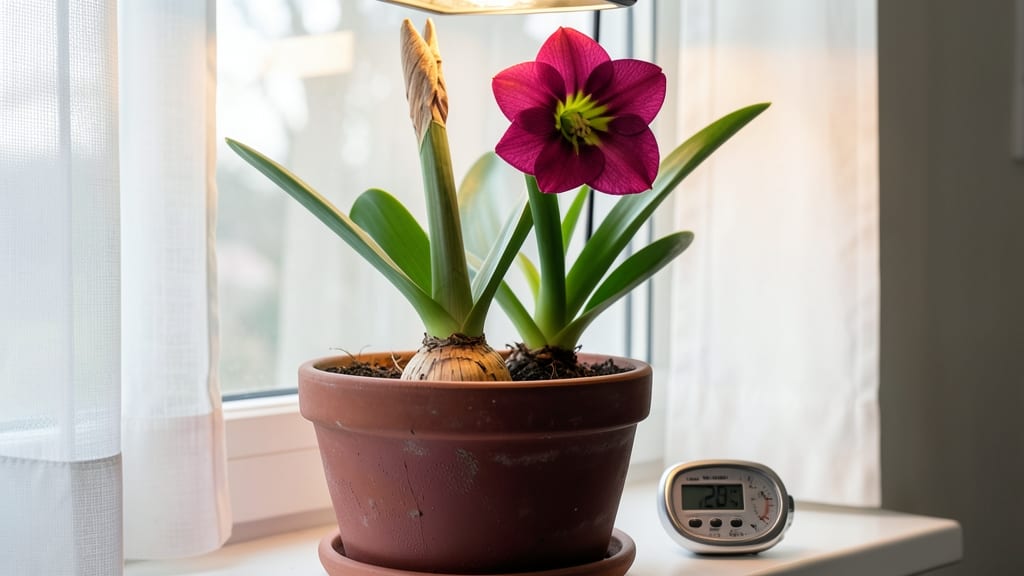
How to force amaryllis to flower feels like magic—until you know the secret. 🌸 That cold shock trick transforms a dormant bulb into a dramatic indoor showstopper, and I've perfected it after years of trial and error. The key? Timing, darkness, and patience—no fancy equipment needed, just a little science and a lot of anticipation.
Start with a healthy bulb that's been dormant for at least 8 weeks at 50-55°F. Place it in a pot with fresh, well-draining soil, leaving the top third exposed. Water lightly and keep it in total darkness for 6-8 weeks—this mimics winter conditions and triggers blooming.
The moment you see a sprout, move it to bright, indirect light and watch those stems race upward.
By the time you see those first buds, you'll have bold, vibrant blooms that last for weeks. The secret to repeat performances? Let the foliage die back naturally after flowering, then give the bulb 2 months of dormancy before repeating the process.
No more sad, stubborn bulbs—just reliable, showy blooms every season.
This method works for indoor forcing year-round or outdoor forcing in cooler climates. The only real mistake is rushing the process—patience pays off with sturdy stems and long-lasting flowers that turn heads. Ready to try it?
📚 In This Guide
- What you need
- Instructions
- Tips and common mistakes
- Wrapping up and next steps
What you need
- ● 1 healthy amaryllis bulb (preferably 6–8 inches in diameter, with firm, dry skin and no soft spots).
- ● 1 well-draining pot (6–8 inches wide, with drainage holes). Terracotta or ceramic works best!
- ● High-quality potting mix (cactus/succulent mix or a blend of 50% peat moss, 30% perlite, and 20% sand). Avoid garden soil—it’s too dense!
- ● 1–2 inches of gravel or pebbles (for the pot’s bottom layer to improve drainage).
- ● Room-temperature water (for watering—never use cold water!).
- ● A spray bottle (for gentle misting if humidity is low).
- ● Grow lights or a sunny windowsill (south-facing is ideal for 6–8 hours of light daily).
- ● Bulb fertilizer (balanced 10-10-10 or bloom-specific formula).
- ● Humidity tray or pebble tray (to boost moisture in dry climates).
- ● Thermometer (to monitor cold shock temps—aim for 40–50°F (4–10°C)).
- ● Decorative pot or sleeve (for styling once blooms emerge!).
Step-by-Step instructions for forcing amaryllis to flower
Here's the method I swear by for coaxing those dramatic blooms indoors—no greenhouse needed.
🌱 Step 1: Select and Prepare a Healthy Bulb
Choose a firm, plump amaryllis bulb with no soft spots or mold. I always pick bulbs that weigh at least 8 ounces—they've got the energy reserves to produce bold blooms. Remove any dried roots or papery skins, but don't peel away healthy layers. The bulb's natural protective coating helps prevent rot during forcing.
Plant the bulb in a 6-8 inch diameter pot with fresh, well-draining potting mix. Bury about half the bulb's height—the top third should remain exposed. This positioning mimics natural conditions and prevents moisture from rotting the bulb's crown. Tap the pot gently to settle the soil without compacting it too tightly.
💧 Step 2: Water and Provide Warmth
Water the bulb thoroughly until moisture drips from the drainage hole, then allow it to drain completely. The soil should feel damp but not soggy to the touch. Place the pot in a location with bright, indirect light—a south-facing window works well. Avoid direct sunlight, which can scorch the leaves that will emerge.
Keep the soil consistently moist but never waterlogged. I check moisture by sticking my finger 1 inch deep—if it feels dry, it's time to water. Maintain temperatures between 65-75°F during the day and slightly cooler at night. You'll see the first green shoots appear in 2-4 weeks, signaling the bulb is waking from dormancy.
☀️ Step 3: Apply the Cold Shock Treatment
This is the secret to reliable blooms. Once the leaves reach 4-6 inches tall, move the pot to a cooler spot (50-55°F) for 6-8 weeks. I use an unheated garage or basement with indirect light. The cold shock mimics winter conditions, triggering the bulb to focus energy on flower production rather than leaf growth.
During this period, reduce watering to just enough to keep the soil from drying out completely. Overwatering now can cause the bulb to rot before it has a chance to bloom. Check weekly for any signs of mold or soft spots—if you see these, move the bulb back to warmer conditions immediately.
⏰ Step 4: Return to Warmth and Bloom
After the 6-8 week cold period, return the pot to its warm, bright location. You'll notice new growth within 1-2 weeks as the bulb shifts its energy toward flower production. The flower stalk will emerge from the center of the bulb, growing rapidly—sometimes up to 2 inches per day.
Once the flower stalk reaches 6-8 inches tall, rotate the pot daily to ensure even light exposure. This prevents the stalk from leaning toward one side. The buds will open sequentially, with each bloom lasting 5-7 days. To prolong the display, remove spent blooms immediately but leave the stalk intact—it may produce additional buds.
🌿 Step 5: Post-Bloom Care for Next Year's Flowers
After blooming, continue normal care with bright light and regular watering. The leaves will continue growing and storing energy for next year's flowers. I fertilize monthly with a balanced liquid fertilizer diluted to half strength. This helps the bulb build reserves for another spectacular display.
When the leaves start yellowing in late summer, reduce watering gradually. Stop watering completely when the leaves are fully brown and the pot feels light. Store the pot in a cool, dry place (55-60°F) until late fall, then repeat the process for another round of blooms.
Tips & tricks for forcing amaryllis blooms
These insider tricks will help you coax the most dramatic flowers from your amaryllis bulb—without the guesswork.
Bulb Selection Matters: The 8-ounce minimum weight is non-negotiable for bold blooms. Larger bulbs (10+ ounces) often produce multiple flower stalks. I've found that bulbs with a slightly rough, papery texture tend to be fresher than perfectly smooth ones—which often means they've been sitting too long in stores.
Light Positioning Secret: In Step 2, when placing your pot near a south-facing window, rotate it quarter-turns weekly to prevent leaves from leaning toward the light. This ensures even growth and stronger stems for those heavy blooms. If your windows aren't ideal, supplement with a grow light 12 inches above the pot for 14 hours daily.
Cold Treatment Precision: During the critical 6-8 week cold period in Step 3, consistency is key. I've had the best results using a refrigerator set to 50-55°F with a small fan circulating air around the pot. This mimics natural winter conditions without risking temperature fluctuations that can stress the bulb. Place a small dish of water nearby to maintain humidity without soggy soil.
Post-Bloom Energy Storage: After blooming, the leaves are your bulb's future. Step 5's monthly fertilization is essential, but I've found that adding a slow-release bulb fertilizer at planting time gives an extra boost. The leaves will continue photosynthesizing for months after blooming—don't be tempted to cut them back until they're completely brown and crispy.
Pro Tips for Force Amaryllis To Flower
- These insider tricks will help you coax the most dramatic flowers from your amaryllis bulb—without the guesswork.
- Bulb Selection Matters: The 8-ounce minimum weight is non-negotiable for bold blooms.
- Light Positioning Secret: In Step 2, when placing your pot near a south-facing window, rotate it quarter-turns weekly to prevent leaves from leaning toward the light.
Frequently asked questions
Got questions about forcing your amaryllis to bloom? You’re not alone—these bulbs can be tricky! Here are answers to the most common concerns to help you grow stunning flowers with confidence.
How long does it take for an amaryllis to flower after cold treatment?
After the 6- to 8-week cold shock (like refrigeration), move your bulb to warm, bright light. Blooms typically appear in 4 to 6 weeks, but timing depends on bulb health, age, and light exposure. Patience is key—some bulbs take longer, especially if they’re young or stressed!
Can I use my fridge instead of a basement for cold treatment?
Yes! Your fridge works perfectly—just place the bulb in a paper bag or wrap it in newspaper to protect it from humidity. Keep it at 40–50°F (4–10°C) for 8–10 weeks, avoiding the crisper (too moist). Avoid produce drawers with ethylene gas, which can harm the bulb.
Why isn’t my amaryllis flowering after forcing?
No blooms? Check these fixes:
- Light issues: Needs 12+ hours of bright, indirect light daily (south/west windows or grow lights).
- Cold shock failed: Ensure the bulb got consistent cool temps for 6+ weeks—no warm spells!
- Overwatering: Bulbs rot if soggy. Let soil dry 50% between waterings.
- Old bulb: Bulbs older than 2 years may need rejuvenation (cut back foliage after blooms).
If all else fails, the bulb may need a year-long rest before trying again.
Do I need to cut the flower stalk once it blooms?
Not necessarily! You can leave it to enjoy the blooms (they last 1–2 weeks), but cutting it below the second set of buds can encourage a second, smaller bloom later. Never cut the foliage—it feeds the bulb for next year’s flowers!
Can I force the same amaryllis bulb to bloom again next year?
After blooming, keep the foliage for 6–8 weeks to recharge the bulb (place it in bright light and water moderately). In fall, reduce watering and store it in a cool, dry place (like a garage) until spring. Repeat the cold shock process to force it again!
What if my amaryllis bulb smells bad or feels mushy?
This is a red flag for rot—usually from overwatering or poor drainage. Stop watering immediately, trim any soft, discolored areas with a sterile knife, and repot in fresh, well-draining soil. If the bulb is mostly mushy, it’s likely unsalvageable. Prevent future rot by using a pot with drainage holes!
Wrapping up and next steps
Forcing your amaryllis to bloom is all about patience, precision, and a little cold shock! 🌱 By following the right steps—like proper bulb care, temperature control, and light management—you’ll soon be rewarded with stunning, vibrant flowers.
Don’t let setbacks discourage you; even experienced gardeners tweak their methods until they find what works best.
Ready to see those blooms? Start your next cycle today! Experiment with timing, track your progress, and soon you’ll have a show-stopping amaryllis that brightens every room. Happy forcing! 🌸