
Blooming
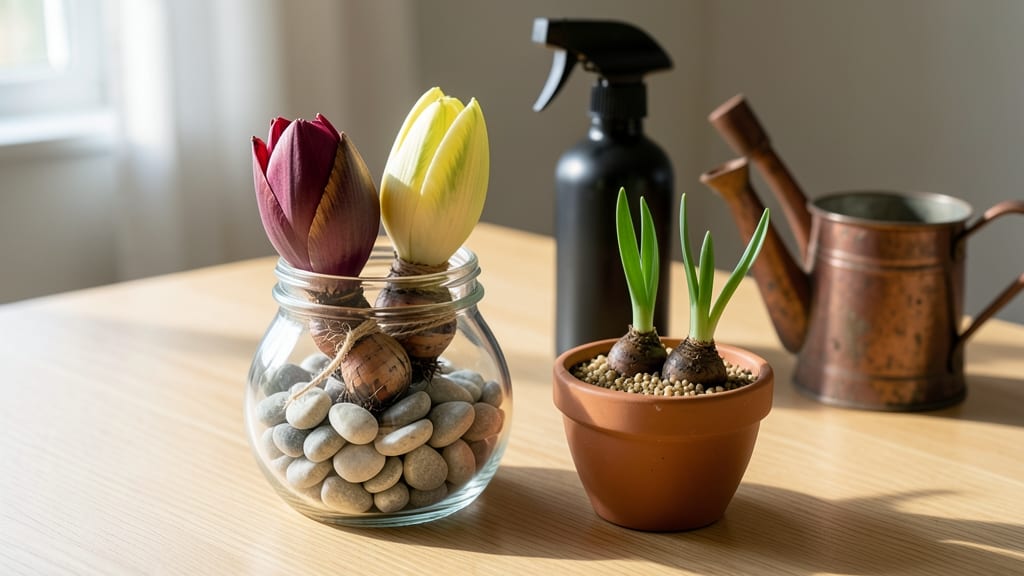
How to force tulips brings spring indoors before the calendar says it's time. 🌷 I've turned my winter kitchen into a burst of color by mastering this simple trick—just bulbs, patience, and a little chilly magic. The secret lies in mimicking nature's cycle: bulbs need 12-16 weeks of cold followed by warmth. Start in late fall by planting paper-potted bulbs in a container, then store them in a cool, dark place. No greenhouse needed—your garage or refrigerator works perfectly. By early spring, you'll see shoots pushing through the soil, followed by vibrant blooms that last 2-3 weeks in a vase. The fragrance alone makes winter feel like a distant memory. Perfect for holiday tables, Mother's Day gifts, or just beating winter blues. Here's how to make it work every time!
📚 In This Guide
- What you need
- Instructions
- Tips and common mistakes
- Wrapping up and next steps
What you need
- ● Tulip bulbs: 3–5 healthy, non-hybrid tulip bulbs (e.g., 'Darwin Hybrid,' 'Parrot,' or 'Fosteriana'—avoid fancy, paper-flower types).
- ● Clear vase or jar: 1–2 wide-mouthed containers (8–12 inches tall) with a narrow neck (e.g., a mason jar or decorative vase).
- ● Water: Room-temperature, chlorine-free (use filtered or bottled if needed).
- ● Newspaper or paper towels: Enough to line a shallow tray or box (for pre-soaking bulbs).
- ● Scissors or knife: For trimming stems (sterilize with rubbing alcohol).
- ● Dark, cool space: A closet, pantry, or basement (50–60°F / 10–15°C).
- ● Peat moss or sphagnum moss: 1–2 cups (to anchor bulbs in the vase).
- ● Floral preservative: 1 packet (extends vase life by 3–5 days).
- ● Decorative pebbles or marbles: To weigh down bulbs in water.
- ○ Grow lights (optional): If forcing in low-light areas (12–14 hours/day).
- ● Thermometer: To monitor temperature (critical for success!).
Step-by-Step instructions for forcing tulips indoors
Here’s how I’ve coaxed vibrant tulips to bloom indoors—guaranteed to brighten any room in just 6 weeks.
🌱 Step 1: Select and Prep the Bulbs
Pick firm, plump tulip bulbs (no soft spots or sprouts) from a specialty bulb catalog or garden center. I always choose Darwin Hybrid or Parrot tulips—they’re the most reliable for forcing. Remove any dried or damaged outer scales, but don’t peel them all off. This ensures the bulb stays protected while encouraging new growth.
Soak the bulbs in lukewarm water for 12 hours before planting. This jumpstarts hydration and speeds up root development. I use a shallow container and gently swirl them every few hours so they don’t sit in stagnant water. After soaking, let them dry briefly—just until the surface feels slightly tacky, not bone-dry.
🪴 Step 2: Plant in Containers with Drainage
Fill a shallow, wide container (like a ceramic bowl or decorative pot) with well-draining potting mix. I use a mix of 50% potting soil and 50% perlite or coarse sand to prevent soggy roots. Press the mix down lightly—it should be loose but not crumbly. Place the bulbs neck-up, meaning the top third of each bulb should peek above the soil line.
Space the bulbs 1-2 inches apart in a single layer. For 4 bulbs, a 6-inch-wide container works perfectly. Water gently until the soil is moist but not soggy. The goal is to mimic the chilly, damp conditions bulbs need to trigger blooming. Place the container in a cool, dark spot (like a basement or garage) where temperatures stay between 35-45°F.
⏰ Step 3: Chill for 10-12 Weeks
Keep the bulbs in this cool, dark environment for 10-12 weeks. This is the critical "resting" phase where roots develop and flower buds form. I check on them weekly—just enough to ensure the soil stays lightly moist (like a wrung-out sponge). Overwatering now can rot the bulbs before they’re ready.
You’ll see green shoots after about 6-8 weeks. This is your cue that the bulbs are waking up! Once the shoots reach 2-3 inches tall, it’s time to move them to a cooler indoor spot (like a basement or unheated garage) where temps stay around 40-50°F. This mimics early spring conditions and prevents the stems from growing too fast.
☀️ Step 4: Bring Indoors for Blooming
After 10-12 weeks of chilling, transfer the container to a bright, cool room (like a sunroom or north-facing windowsill). The bulbs need indirect light for the first few days to avoid shock. Once the stems are 4-6 inches tall, move them to a sunnier spot (but avoid direct midday sun, which can scorch the petals).
Water lightly whenever the top ½ inch of soil feels dry. The bulbs will drink more as they near blooming—you’ll see the stems straighten and the buds swell. In about 2-3 weeks, you’ll have full, vibrant blooms that last 5-7 days in a vase. Here’s the thing—don’t cut the stems too early. Wait until the first bud opens fully to maximize vase life.
💧 Step 5: Extend Blooms and Care for Bulbs
Once the tulips bloom, move the container to a shadier spot to slow wilting. Water sparingly—just enough to keep the soil from drying out completely. The foliage will yellow and die back naturally. Leave it alone until it’s completely brown and crispy. This ensures the bulb stores energy for next year.
After the leaves die back, you can plant the bulbs outdoors in a garden bed or pot them up for another round of forcing next season. I’ve forced the same bulbs 3-4 times this way, and they keep coming back stronger. The secret? Don’t rush the process—patience in the chilling phase pays off with bigger, healthier blooms.
Tips & tricks for perfect indoor tulip forcing
Here's what I learned after forcing tulips for years—these small details make all the difference between wimpy stems and showstopping blooms.
Bulb Selection Matters: Darwin Hybrid and Parrot tulips are your best bet for reliable indoor blooms, but if you can't find them, look for single late varieties—they tend to force better than early bloomers. Avoid bulbs with any green shoots or soft spots, even if they're on sale. I've ruined three batches using bulbs that looked fine but had hidden rot. The 12-hour soak in lukewarm water is your first chance to spot bad bulbs—they'll float while good ones sink.
The Chilling Game-Changer: The 10-12 week chilling phase is non-negotiable, but here's the secret: consistency is more important than exact timing. I've had bulbs bloom perfectly with 11 weeks of chilling and others take 13—what matters is maintaining that 35-45°F temperature range. If your basement fluctuates, consider a refrigerator trick: place the planted container on a tray in your fridge's crisper drawer (not the freezer section) and check weekly. The humidity helps too!
Light Transition Strategy: When you move your bulbs from the dark chilling spot to light in Step 4, don't rush it. Start with indirect light only for the first 3-4 days to prevent shock. I've seen stems grow too fast and flop over when exposed to too much light too soon. Once they hit 4-6 inches, you can gradually introduce more sunlight—but never direct midday sun, which will scorch those delicate petals. A north-facing window is ideal.
Watering Wisdom: The "lightly moist" rule in Step 3 is crucial, but here's how to interpret it: stick your finger 1 inch into the soil. If it feels dry, water gently until moisture reaches that depth. The key is to avoid both soggy soil (which rots bulbs) and bone-dry soil (which stresses them). In Step 4, you'll notice your bulbs drink more as they near blooming—the stems will straighten dramatically when they're ready for that final growth spurt.
Pro Tips for Force Tulips
- Here's what I learned after forcing tulips for years—these small details make all the difference between wimpy stems and showstopping blooms.
- Bulb Selection Matters: Darwin Hybrid and Parrot tulips are your best bet for reliable indoor blooms, but if you can't find them, look for single late varieties—they tend to force better than early bloomers.
- The Chilling Game-Changer: The 10-12 week chilling phase is non-negotiable, but here's the secret: consistency is more important than exact timing.
Frequently asked questions
Got questions about forcing tulips? You’re not alone! Here are answers to the most common concerns—so you can bloom your bulbs like a pro.
Can I force tulips from any bulb, or do I need special ones?
Most tulip bulbs sold for forcing are labeled as “pre-cooled” or “forcing bulbs.” These have already gone through a cold period (like winter) and are primed to bloom indoors. If you’re using garden bulbs, you’ll need to pre-chill them (6–8 weeks at 35–45°F) first. Avoid hybrid tulips—they often don’t force well!
How long does it take for tulips to bloom after forcing?
With the right conditions, tulips typically bloom 4–6 weeks after you start the forcing process. Patience is key! Keep them in a cool, dark place (like a fridge) for the first 3–4 weeks, then move to bright, indirect light. Rushing the process can lead to weak stems or no flowers at all.
What if my tulips aren’t sprouting after forcing?
Don’t panic! First, check your bulbs for rot (slimy or mushy texture = toss them). If they’re firm but dormant, they might need more time or warmer temps (try 65–70°F). If they’ve sprouted but won’t grow, they could be too crowded—thin them out or replant in fresh potting mix. Pro tip: Never let bulbs dry out during forcing!
Can I force tulips in water instead of soil?
Yes! This method is called water forcing and works great for a single-stem look. Place your bulb in a small glass or vase with just the base submerged in water (change weekly). Keep it in a cool, dark spot until roots appear (2–3 weeks), then move to light. Just watch for mold—keep the water fresh and use filtered or distilled water to avoid chlorine damage.
What do I do with tulips after they bloom indoors?
Once your tulips fade, you have two options: discard them (if you want fresh blooms next year, start over) or plant them outdoors after the last frost. If replanting, choose a sunny spot with well-draining soil. They may not rebloom the first year, but with time, they’ll naturalize and multiply—just like garden tulips!
Do I need to refrigerate bulbs if I don’t have a cold garage?
A fridge is your best friend for pre-cooling. Wrap bulbs in a paper towel and store them in a plastic bag on the crispest shelf (not the freezer!). Check them weekly for rot. If your fridge isn’t cold enough (<40°F), try a cool basement or outdoor storage (in a ventilated container). No cold space at all? Buy pre-cooled bulbs labeled for indoor forcing!
Wrapping up and next steps
Forcing tulips is a rewarding way to bring early spring beauty indoors—just follow these simple steps! With the right bulbs, timing, and care, you’ll enjoy vibrant blooms in just 6 weeks.
Don’t let a little patience (or chilly weather) hold you back—your future floral masterpiece is closer than you think!
Ready to dive in? Gather your supplies and start forcing today—your home (and Instagram feed) will thank you! 🌷✨