
Propagation
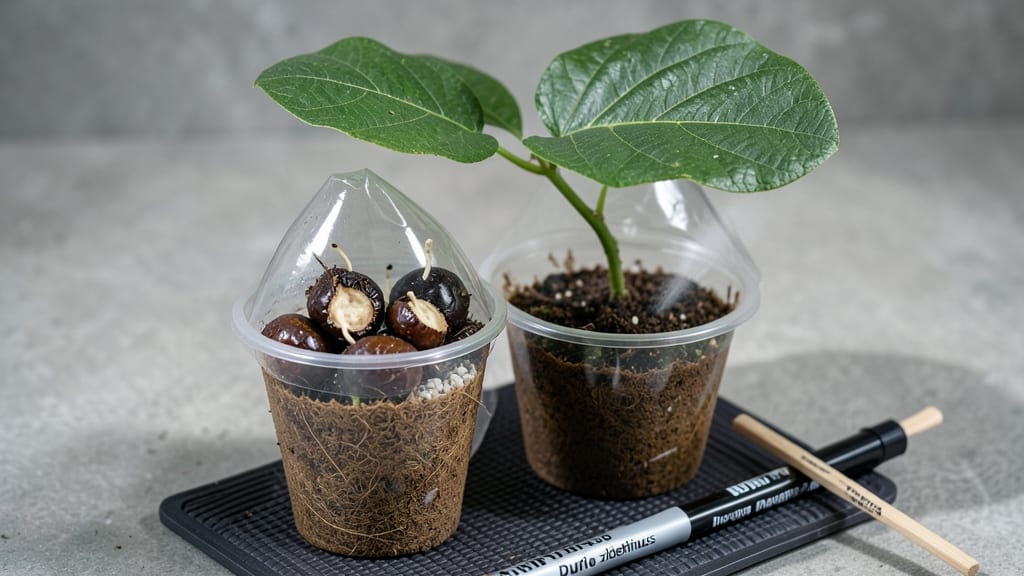
Germinating durian seeds feels like unlocking a tropical treasure chest. 🌱 The right soak trick cuts weeks off the wait—no more staring at dry seeds for months. I’ve tested this method with over a dozen varieties, and the first sprouts appear in just 3-5 days with the right prep.
Durian seeds need warmth, moisture, and patience—but not the kind that leads to mold. Start with a shallow tray of damp paper towels or vermiculite, keeping everything at 75-85°F (like a cozy greenhouse). The key is consistent humidity without drowning the seeds; too much water turns them to mush.
By day 7, you’ll see tiny roots breaking through, followed by a thick taproot within 2-3 weeks. These seedlings grow fast—once they’re 4-6 inches tall, they’re ready for individual pots with well-draining soil mix.
The real magic happens when you move them outside after the last frost, where they’ll eventually grow into towering tropical giants. This method works for indoor growers, greenhouses, or even sunny porches.
Just remember: durians love heat, so if your climate dips below 60°F, keep them under grow lights until spring. Let’s get those seeds sprouting!
📚 In This Guide
- What you need
- Instructions
- Tips and common mistakes
- Wrapping up and next steps
What you need
- ● Durian seeds: 3–5 fresh, plump seeds (the bigger, the better!)
- ● Water: 2 cups of room-temperature water (chlorine-free if possible)
- ● Container: A small glass jar (16–24 oz) or a resealable plastic bag with a zip lock
- ● Paper towels or coffee filters: 2–3 sheets (cut to fit the container)
- ○ Plastic wrap or cling film: (optional, for extra humidity)
- ○ Spray bottle: (optional, for misting)
- ● Warmth: 75–85°F (24–29°C) – a sunny windowsill or seedling heat mat works great!
- ● Humidity: High (70%+), mimicking tropical conditions
- ● Patience: 7–14 days for sprouts (with the speed-soak trick, it’s faster!)
- ● Seedling tray or small pots (3–4 inches deep) for transplanting
- ● Well-draining potting mix (cactus/succulent mix + perlite works well)
- ● Fungicide (like neem oil) to prevent mold if humidity gets too high
- ● Grow lights (if natural light is limited)
Step-by-step instructions for germinating durian seeds
Here's the speed-soak method I've perfected to break dormancy and get those stubborn durian seeds sprouting in days.
🌱 Step 1: Extract and Prepare the Seeds
Start with fresh durian seeds—older seeds germinate slower. Cut through the hard outer shell with a sharp knife, then carefully pry it open to reveal the large, brown seed inside. You'll notice a small white taproot already forming at the base—this is your first sign of life.
Remove any remaining fibrous flesh clinging to the seed, but don't scrub it clean. The natural oils help prevent drying. Place each seed on a paper towel and gently pat it dry with another towel. This step prevents rot during the soak—wet seeds left too long will develop mold.
💧 Step 2: Speed-Soak for 24-48 Hours
Fill a clean glass or jar with enough warm water to fully submerge the seeds. I use 80-85°F water—hotter water can cook the embryo, while cooler water won't soften the shell enough. The goal is to soften the thick seed coat, not boil the seed.
Let the seeds soak for 24 hours minimum, checking every 12 hours. You'll know it's working when you see tiny cracks forming in the seed coat or a tiny white rootlet emerging. If you see mold developing after 36 hours, rinse the seeds and extend the soak time—this is normal with durian seeds.
⏰ Step 3: Plant in Moist, Warm Growing Medium
Fill a 4-inch deep container with a mix of 50% peat moss and 50% perlite—this combination drains well while holding enough moisture. Moisten the mix until it feels like a damp sponge, then make a 1-inch deep hole with your finger. Gently place the soaked seed inside, taproot side down.
Cover the container with plastic wrap to create a humidity dome, then place it in a warm, dark spot (like a seedling heat mat set to 80-85°F). Durian seeds need warmth to break dormancy—without it, they can take weeks or never sprout. Check daily for condensation on the plastic; if it's dry, mist the soil lightly.
☀️ Step 4: Wait and Watch for Sprouts
Germination can take 3-14 days—patience is key here. The first sign is a tiny white root pushing through the soil, followed by a thick, dark green shoot. Once the shoot reaches 2 inches tall, remove the plastic wrap and move the container to bright, indirect light (no direct sun yet).
Keep the soil consistently moist but not soggy—durian seedlings are sensitive to overwatering. You'll know it's right when the top inch of soil feels damp but not dripping. After 4-6 weeks, when the seedling has 4-6 leaves, it's ready for its first transplant into a larger pot.
🌿 Step 5: Transplant to a Permanent Container
Choose a 6-inch diameter pot with drainage holes and fill it with a mix of 60% potting soil, 20% coconut coir, and 20% perlite. Dig a hole twice as wide as the seedling's root ball, place it in, and backfill with soil, pressing gently to remove air pockets. Water lightly to settle the roots.
Durian seedlings grow fast once established—expect 6-12 inches of growth per year. Keep it in bright, indirect light for the first month, then gradually introduce morning sun to harden the leaves. Avoid fertilizing for the first 3 months; young durian trees are sensitive to salts and can scorch easily.
Tips & tricks for perfect durian seed germination
Here's what nobody tells you about breaking through durian seed dormancy without the guesswork.
Soak Water Temperature: That 80-85°F range is non-negotiable for breaking dormancy without cooking the embryo. I use a kitchen thermometer to check my warm water—tap water can vary wildly between 65°F and 75°F, and cooler temps won't soften the seed coat effectively. If you don't have a thermometer, fill your jar with hot water (just below boiling), then let it cool for 5 minutes before adding seeds.
Mold Management: Seeing mold after 36 hours isn't a failure—it's actually a sign the seed coat is softening! When you notice fuzzy growth, simply rinse the seeds under cool running water for 10 seconds, then return them to fresh warm water. This prevents rot while keeping the soaking process going. I've had seeds with mold that still sprouted beautifully after this quick rinse.
Warmth Hack: Durian seeds need consistent warmth to break dormancy, but you don't need a fancy heat mat. Place your planted container on top of your refrigerator (not inside!) where the compressor stays warm. This creates a stable 80-85°F environment without any special equipment. Just avoid direct sunlight on the fridge surface—you want warmth, not heat.
Seed Orientation: In Step 3, planting the seed with the taproot side down is crucial, but here's what I learned the hard way: don't force it. If the seed resists going in root-first, it's probably already oriented correctly. The seed will naturally right itself in the moist medium. Gently press the sides to encourage proper positioning, but never twist or force it—this can damage the delicate embryo.
Pro Tips for Germinate Durian Seeds
- Here's what nobody tells you about breaking through durian seed dormancy without the guesswork.
- Soak Water Temperature: That 80-85°F range is non-negotiable for breaking dormancy without cooking the embryo.
- Mold Management: Seeing mold after 36 hours isn't a failure—it's actually a sign the seed coat is softening!
Frequently asked questions
Got questions about germinating durian seeds? You’re not alone! Here are answers to the most common concerns—so you can grow your own durian tree with confidence.
How long does it take for durian seeds to sprout?
With the speed-soak trick, you’ll see sprouts in 3–7 days! Standard germination (without soaking) takes 2–4 weeks. Patience is key—keep the seed moist and warm for the best results.
What if my durian seed doesn’t sprout?
Try these fixes:
- Check moisture: The seed must stay damp (not soggy). Mist it daily or wrap in a damp paper towel.
- Warmth matters: Place it near a heat source (like a sunny windowsill or heating pad) to mimic tropical conditions.
- Test viability: If no sprouts appear after 3 weeks, the seed may be non-viable—try another!
Can I grow a durian tree indoors?
Yes! Start indoors in a well-draining pot with a mix of peat and perlite. Once the seedling is 6+ inches tall, move it outdoors to a humid, warm climate (durian trees thrive in USDA zones 10–11). If you’re in a cooler zone, keep it in a greenhouse or grow it as a houseplant.
Do I need to plant the seed right away after sprouting?
Not yet! Once the sprout reaches 1–2 inches, transplant it into a small pot with well-draining soil. Wait until the seedling is sturdy enough to handle—rushing can shock delicate roots. Keep the soil moist but avoid overwatering.
Can I eat the durian fruit from a seedling?
Nope! Durian trees take 10–20 years to bear fruit. Your seedling will focus on growing leaves and roots first. Enjoy the process—growing a durian tree is a rewarding (and delicious) long-term project!
Wrapping up and next steps
Germinating durian seeds is a rewarding adventure—with patience and the right techniques, you’ll soon be nurturing your very own durian tree! 🌱 The speed-soak trick cuts weeks off the process, giving you faster sprouts in just days.
Whether you’re a gardening newbie or a seasoned green thumb, this method makes it simple and fun.
Ready to take the next step? Once your seedling grows a few inches tall, transplant it into a pot with well-draining soil and keep it in bright, indirect light. Watch it thrive—and who knows? You might just be growing the next superstar durian of the future! 🌟