
How To
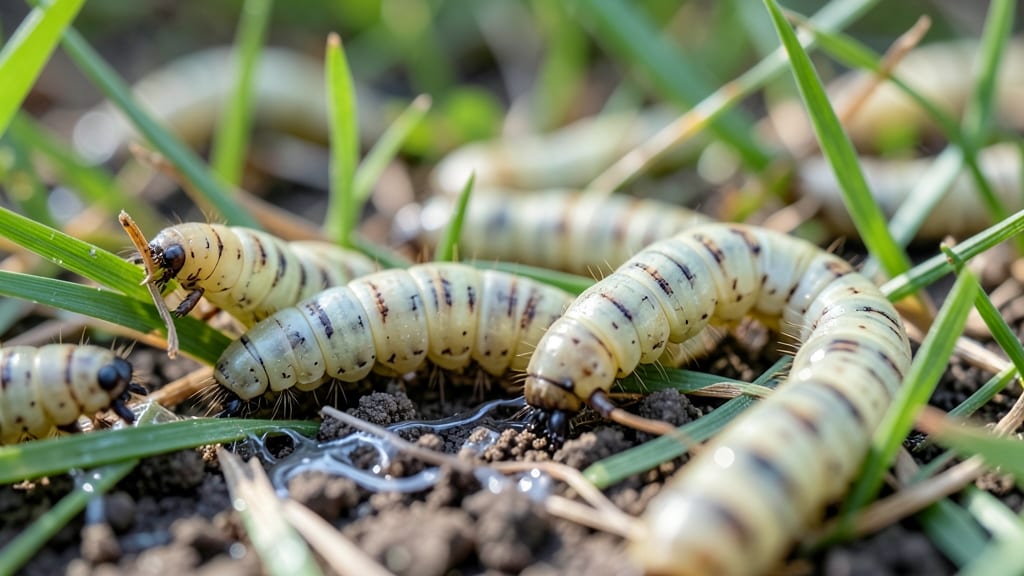
How to get rid of army worms in grass—before they turn your lawn into a patchy mess overnight. ✨ I’ve seen firsthand how these striped caterpillars devour grass blades like a hungry herd, leaving behind brown, skeletal patches that scream for help. The good news? A simple boiling water barrier works faster than most chemical sprays—and it’s completely organic.
The key is timing and precision. You’ll need a kettle (or a pot of boiling water), a long spoon or stick, and a clear morning when the worms are still sluggish from the cool air.
Pour the water in a thin line along the edges of the damaged area—the heat kills them instantly while leaving your grass unharmed. It’s brutal for the pests but gentle on your lawn.
Within 24 hours, you’ll see the difference: no more chewing, no more retreat. The grass starts to recover faster because the worms are gone, and the barrier prevents new ones from marching in. It’s not just about stopping the damage—it’s about reclaiming your lawn’s health without harsh chemicals.
Works best in early spring or late summer when worms are most active, but even a surprise infestation can be handled this way. The method is foolproof if you’re consistent—just repeat every few days until the patches green up again. No more mystery brown spots ruining your yard’s pride.
What Triggers Army Worm Outbreaks
Army worms may seem like they appear out of nowhere, but their presence in your lawn is rarely random. These voracious caterpillars—larvae of the fall armyworm (Spodoptera frugiperda) or true armyworm (Mythimna unipuncta)—are drawn to specific conditions that turn your grass into a buffet.
Understanding these triggers is the first step to preventing (or at least predicting) their arrival. Let’s break down the key factors that turn your yard into an army worm hotspot.
Army worms thrive where grass is already struggling. When your lawn is thin, patchy, or overgrown, it becomes an easy target for these pests. Here’s why:
- Lack of competition: Healthy grass grows densely, making it harder for worms to move and feed. Weak grass leaves bare soil and exposed roots—perfect hiding spots for army worms.
- Nutrient deficiencies: Grass deficient in nitrogen or other essential nutrients grows slowly and weakly, creating gaps that caterpillars exploit.
- Drought stress: Dry spells weaken grass, reducing its ability to recover quickly. Army worms are drawn to stressed plants because they’re easier to digest.
- Poor mowing habits: Cutting grass too short (below 2–3 inches) exposes soil and encourages weed growth, both of which attract army worms.
Pro tip: 🌡️ Maintain grass at 3–4 inches tall in warm seasons and 2–3 inches in cool seasons. Regular watering (1 inch per week) keeps grass resilient.
Army worms are most active during warm, humid conditions, typically between 70–90°F (21–32°C). Their life cycle accelerates in these environments, leading to rapid population explosions. Here’s how weather plays a role:
- Faster egg hatching: Female moths lay eggs in clusters, which hatch in 2–5 days when temperatures are ideal. Cool nights slow this process, but consistent warmth speeds it up.
- Increased survival rates: Humidity keeps newly hatched larvae hydrated, reducing mortality. Dry conditions can dehydrate them quickly.
- Longer feeding seasons: In southern climates, army worms can have multiple generations per year. In cooler regions, they may overwinter as pupae, emerging en masse in spring.
Watch for: 🌡️ Outbreaks often spike after unseasonably warm periods or following heavy rains (which soften grass and attract moths).
Army worms don’t just appear—they’re dropped off by their parent moths. These nocturnal fliers are excellent travelers, capable of migrating hundreds of miles on wind currents. Their egg-laying behavior is strategic:
- Targeting fresh growth: Moths seek out lawns with recently fertilized or watered grass, as new shoots are tender and nutritious.
- Preferring dark, moist soil: Eggs are laid on lower blades of grass or bare soil, where humidity protects them from drying out.
- Swarming behavior: During peak mating seasons (spring and fall), moths gather in large numbers, leading to concentrated egg drops in susceptible areas.
Key insight: 🔍 If you notice small black or gray egg masses (about the size of a dime) on grass blades, act fast—larvae will emerge in days.
Army worms aren’t picky eaters—they’ll devour grass, weeds, and even garden crops. Lawns with high weed density or leftover plant debris create ideal breeding grounds:
- Weeds as a food source: Broadleaf weeds (like clover or dandelions) are often more palatable to army worms than grass, drawing them into your lawn.
- Organic matter buildup: Leaves, clippings, or dead plant material provide moisture and shelter for eggs and larvae.
- Transition zones: Areas where grass meets bare soil, mulch beds, or garden edges are high-risk zones for egg deposition.
Action step: ✨ Regularly remove thatch and debris from your lawn, and consider pre-emergent weed control to reduce attractants.
Your location and time of year play a huge role in army worm activity. Here’s how:
| Region | Peak Season | Why It Matters |
|---|---|---|
| Southern U.S. (Florida, Texas, Gulf Coast) | Year-round (peaks spring/fall) | Warm winters allow multiple generations; moths migrate northward in summer. |
| Midwest and Northeast | Late spring to early fall | Cooler winters limit activity; outbreaks surge when temps rise above 75°F. |
| Mountainous or high-altitude areas | Summer (June–August) | Higher elevations have shorter seasons; worms may appear later but cause rapid damage. |
Regional tip: 📊 Check your local agricultural extension service for army worm alerts—many states issue warnings when moths are detected in the area.
By recognizing these triggers, you can proactively reduce army worm risks in your lawn. The next step? Learning how to create natural barriers (like the boiling water method) to keep these pests at bay before they strike.
Quick Fixes for Army Worm Damage
If your lawn is under siege by army worms, don’t panic—there are effective, chemical-free solutions to reclaim your grass. Below, we’ll break down the best fixes based on the root cause of your infestation, from immediate action to long-term prevention.
These methods are practical, budget-friendly, and safe for pets and kids when done right.
When to use: Early detection (small patches, 1–3 square feet) or isolated outbreaks.
Army worms hate heat, and boiling water is a fast, non-toxic way to kill them on contact. Here’s how:
- 👨🍳 Boil 1–2 gallons of water in a large pot or kettle.
- 🔥 Slowly pour the boiling water directly onto the affected grass—focus on brown patches or areas where worms are active.
- 🌱 Let the area cool, then rake up dead worms and debris.
- 💡 Pro Tip: Repeat every 3–5 days for 2 weeks to ensure all larvae are gone.
Why it works: The extreme heat instantly kills army worms and their eggs without harming the soil or beneficial insects.
When to use: Moderate infestations (larger areas, but not severe) or as a preventive measure.
Instead of chemicals, encourage natural predators to cull the army worm population:
| Predator | How to Attract Them | Effectiveness |
|---|---|---|
| Birds (e.g., robins, starlings, grackles) | Leave seed heads on plants, install birdhouses, and avoid pesticides. | ⭐⭐⭐⭐⭐ (Best early defense!) |
| Parasitic Wasps | Plant dill, fennel, or yarrow near your lawn. | ⭐⭐⭐⭐ (Long-term population control) |
| Ground Beetles | Reduce chemical use, keep grass slightly taller (1–2 inches). | ⭐⭐⭐ (Active at night) |
| Toads & Frogs | Set up a small pond or water feature in your yard. | ⭐⭐⭐ (Helpful but slower) |
💡 Pro Tip: If you see birds aggressively pecking at your lawn, that’s a good sign—they’re already eating army worms!
When to use: Large patches (over 5 square feet) or when worms are visible in high numbers.
- 🌑 Wait until dusk (army worms are most active at night).
- 🔦 Use a flashlight to locate worms—look for small, brown, inchworm-like creatures.
- 🧤 Wear gloves and gently handpick worms into a bucket of soapy water (1 tbsp dish soap per gallon).
- 🌱 Rake the area to expose hidden larvae and eggs.
- 💡 Pro Tip: Check undersides of grass clumps—worms often hide there.
⚠️ Warning: This is labor-intensive but 100% chemical-free. Best for small yards or targeted hotspots.
When to use: After treating an infestation to stop recurrence.
Army worms thrive in weak, over-fertilized, or drought-stressed grass. Fix these issues to make your lawn less appealing to them:
- 📊 Mow high (3–4 inches) – Taller grass shades eggs and makes it harder for worms to feed. - 💧 Water deeply but less often – 1–1.5 inches per week encourages deep roots, making grass hardier. - 🌱 Overseed bare spots – Fill thin areas with tall fescue or ryegrass (army worms prefer Bermuda or St. Augustine). - 🚫 Avoid excessive nitrogen – Too much fast-growing grass attracts army worms.
Use a balanced fertilizer (16-4-8) instead. - 🌿 Add compost – Healthy soil = stronger grass that resists pests naturally.
💡 Pro Tip: Milky spore (a natural bacteria) can reduce grub populations long-term—apply in early spring for best results.
If your lawn is already skeletonized (mostly brown with only roots left), act fast:
- 🔄 Reseed immediately – Use fast-germinating grass seed (like ryegrass) mixed with starter fertilizer.
- 🛡️ Protect new growth – Cover seeded areas with lightweight row covers (1/4-inch mesh) to block egg-laying moths.
- 🌱 Mulch lightly – A thin layer of straw helps retain moisture while new grass establishes.
⏰ Timeframe: New grass should sprout in 7–14 days if conditions are right.
Check these boxes twice a year (spring & fall) to keep army worms away:
✅ Inspect lawn weekly – Look for small brown patches (early sign of feeding). ✅ Encourage bird activity – Install bird feeders or baths. ✅ Avoid late-night mowing – Army worms are most active at night; mowing then can crush eggs. ✅ Rotate crops if you have a garden – Army worms love corn, sorghum, and grasses—interplant with marigolds or basil to deter them. ✅ Test soil health – pH 6.0–7.0 and good organic matter = stronger grass.
Final Thought: Army worms are annoying but beatable—especially with boiling water, biological controls, and smart lawn care. Start with the most severe issue (e.g., boiling water for hotspots, manual removal for heavy infestations), then shift to prevention to keep your lawn lush and worm-free for good. 🚀
Frequently asked questions
How do I know if my grass damage is from army worms?
Look for small, brown patches that grow rapidly, often with a skeletonized appearance (only roots and stems remain). Check undersides of grass blades for striped caterpillars (1–2 inches long) or tiny black egg masses. Army worms leave behind a distinctive "windowpane" effect where they've chewed grass blades.
Is boiling water safe for my lawn?
Yes, when used correctly! The boiling water kills only the worms and doesn't harm the grass roots or soil structure. Just avoid pouring directly on healthy grass—focus on brown patches. The heat kills larvae instantly while leaving the soil intact for recovery. Repeat every 3–5 days for best results.
Will birds really eat army worms?
Birds like robins, starlings, and grackles love army worms and will actively hunt them. Install birdhouses or leave seed heads on plants to attract them. You'll often see them pecking aggressively at your lawn—this is a free, natural way to control the population without chemicals.
Can I use this method in my vegetable garden?
Yes, but with caution. Army worms also attack garden crops like corn, sorghum, and beans. Use the boiling water method on affected plants, but avoid pouring on edible parts. For prevention, plant marigolds or basil nearby—their strong scents repel moths. Check plants at dusk when worms are most active.
How long until my lawn recovers after treatment?
With proper care, you'll see improvement in 7–14 days. After eliminating the worms, overseed bare spots with ryegrass and keep the area moist but not soggy. Healthy grass grows back faster when it's not being devoured. For severe damage, consider a lightweight row cover to protect new growth from moths.