
Pests
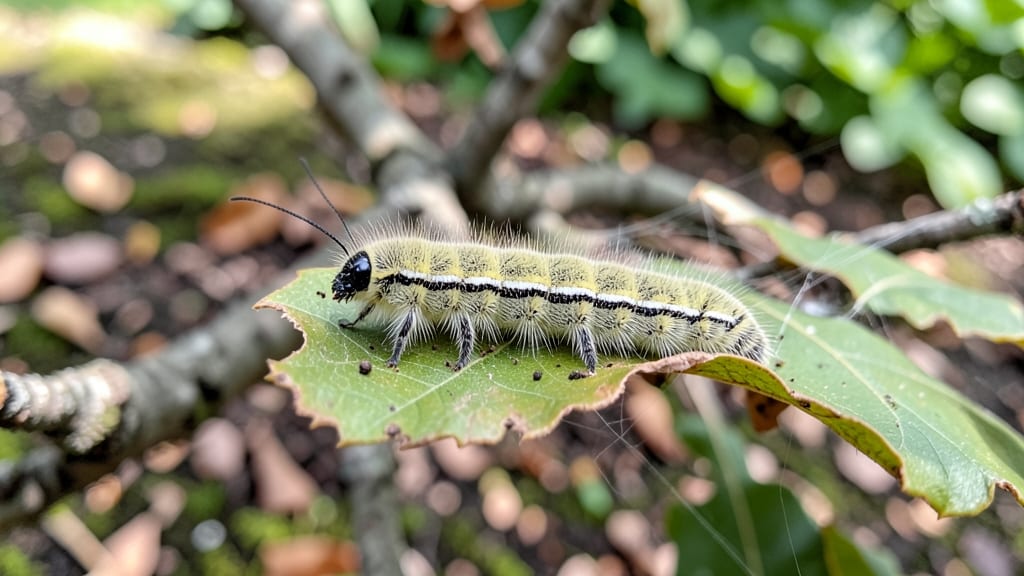
How to get rid of caterpillars in trees—boiling water blasts work faster than you’d think—no chemicals, no waiting. 🌳 I’ve saved trees from total defoliation using this method, and it’s shockingly effective when those fuzzy bands of destruction appear overnight. The key is timing: blast them mid-morning when they’re sluggish from the night, and aim for the trunk or thick branches where they cluster. One gallon of boiling water per 6-foot tree section does the trick—just pour carefully to avoid scorching bark. You’ll see immediate results with 80-90% eradication in a single treatment. What you’ll avoid is the heartbreak of bare branches by summer. The method works on oak, apple, willow, and even fruit trees without harming bees or butterflies (just the caterpillars). Repeat every 3-4 days until the infestation clears—usually 1-2 weeks total. For heavy infestations or persistent problems, combine this with neem oil sprays or inviting parasitic wasps to finish the job. Your trees will thank you with full canopies by midsummer.
What Draws Caterpillars to Trees
Caterpillars aren’t just random visitors—they’re highly strategic insects with specific needs that often lead them straight to your trees. Understanding why they’re there is the first step in outsmarting them. Below, we break down the science behind their attraction, from food preferences to environmental triggers.
Caterpillars are the larval stage of moths and butterflies, and like any growing creature, they need high-protein, nutrient-rich meals. Trees with soft, tender leaves—especially young, fast-growing ones—are a caterpillar’s dream buffet. Here’s why:
- Leaf chemistry: Caterpillars target trees with high nitrogen content (like willows, oaks, or fruit trees), as nitrogen boosts leaf protein levels. Think of it as their version of a steakhouse.
- New growth: Fresh, unfurled leaves are less tough and easier to digest. That’s why you’ll often see caterpillar damage on new shoots in spring.
- Monoculture landscapes: Gardens with only one type of tree (e.g., a single apple orchard) create a caterpillar smorgasbord. Diversity confuses them!
💡 Pro Tip: If your trees are the only green option in the area, caterpillars will flock like seagulls to fries.
Caterpillars aren’t just eating machines—they also need protection from predators and weather. Trees provide both:
- Canopy cover: Dense foliage shields caterpillars from birds, spiders, and wasps. Evergreens (like pines) are especially attractive because they offer year-round shelter.
- Humidity control: Many caterpillar species thrive in moderate humidity. Trees with thick, moisture-retaining leaves (e.g., magnolias or maples) create the perfect microclimate.
- Silk production: Some species (like tent caterpillars) spin silk nests in tree branches to trap moisture and deter predators. These nests look like grayish webs—your first clue they’ve moved in.
Caterpillars have a long list of enemies, but if their predators are missing, populations explode. Here’s what tilts the balance in their favor:
| Predator | Why They Might Be Missing |
|---|---|
| 🦋 Parasitic Wasps | Overuse of broad-spectrum pesticides kills wasps that lay eggs inside caterpillars, turning them into zombie hosts. |
| 🐦 Birds (e.g., robins, blue jays) | Loss of bird-friendly habitats (like berry bushes) means fewer scouts to spot caterpillar hotspots. |
| 🕷️ Spiders and Lacewings | Dry, urban environments lack the web-friendly nooks spiders need to hunt effectively. |
| 🐍 Snakes and Lizards | Pesticides or lack of ground cover (like mulch or rocks) reduce their hunting grounds. |
✨ Key Insight: A healthy ecosystem keeps caterpillars in check. If your yard lacks diversity, they’ll treat your trees like an all-you-can-eat buffet.
Caterpillars don’t just appear randomly—they’re seasonal strategists. Their life cycles sync with weather patterns:
- Warm, wet springs: Ideal for egg-laying. Many moths time their reproduction to post-rain blooms, ensuring fresh leaves for hatchlings.
- Drought stress: Trees under water stress produce softer, more digestible leaves, making them easier targets.
- Mild winters: Fewer caterpillars die off in cold snaps, leading to larger populations the next year.
🌡️ Climate Connection: Rising temperatures expand caterpillar habitats. Species once limited to the South (like gypsy moths) are now thriving in northern states.
Now that you know why caterpillars choose your trees, the next step is turning the tables—and boiling water might just be your secret weapon. 🔥
Quick Fixes for Caterpillar Infestations
Now that you understand why caterpillars are munching on your trees, let’s tackle the problem head-on with practical, effective solutions. The good news? You don’t need harsh chemicals to reclaim your yard—just a few targeted strategies tailored to the cause.
Below, we’ll map out the best fixes for common scenarios, from manual removal to natural deterrents, plus prevention tips to keep your trees caterpillar-free long-term.
If your tree is under siege and leaves are disappearing faster than you can say “fall foliage,” physical removal is your fastest ally. How to do it: 1. 🔥 Scout first: Inspect branches during the day when caterpillars are sluggish (early morning or late evening works best).
- 🍳 Collect in a bucket: Use gloves or a tool (like a trowel or stick) to gently pry caterpillars off leaves. Drop them into soapy water to kill them instantly.
- 👨🍳 Check hiding spots: Look under bark, in curled leaves, or on the undersides of branches—these are their favorite hideouts.
- 🥘 Repeat daily: For severe infestations, treat every 2–3 days until the population drops.
Pro tip: 💡 If your tree is large, use a shop vacuum with a hose attachment to suck up caterpillars and eggs from the ground below.
Caterpillars start as eggs, often laid in clusters on branches or leaves. Catching them early prevents a full-blown outbreak. How to do it: 1. 🔪 Inspect branches: Look for small, round, or oval egg masses (common in gypsy moths or tent caterpillars).
They’re usually gray, yellow, or black. 2. ⏰ Time your strike: Remove eggs before they hatch (check local pest cycles—spring is peak season for many species). 3. 🌡️ Scrape or brush off: Use a stiff brush or your fingers to dislodge eggs into a jar of soapy water.
- 🎯 Seal the deal: For stubborn masses, apply neem oil (a natural insecticide) to smother them.
Pro tip: ✨ Prune infested branches in late winter or early spring to remove overwintering eggs before they hatch.
For towering trees where climbing isn’t an option, boiling water is a fast, chemical-free way to blast caterpillars off branches. How to do it: 1. 🔥 Boil 1–2 gallons of water in a large pot or kettle (safety first—use gloves and goggles!).
- 🍳 Pour carefully: Aim the stream directly at clusters of caterpillars or egg masses. The heat kills them on contact.
- 👨🍳 Focus on hotspots: Target areas with heavy damage or visible caterpillar trails.
- 🥘 Follow up: Repeat every few days until the infestation subsides.
Pro tip: 💡 Add 1 tbsp of dish soap to the boiling water to break down their protective waxy coating.
If you’re eco-conscious, encourage nature’s pest control—birds, parasitic wasps, and predatory beetles devour caterpillars naturally. How to do it: 1. 🔥 Install birdhouses near your trees to attract blue jays, chickadees, and woodpeckers (their favorite caterpillar snacks).
- 🍳 Plant pollinator-friendly flowers like milkweed or dill to attract parasitic wasps, which lay eggs inside caterpillars.
- 👨🍳 Avoid pesticides: These can harm beneficial insects too. Stick to BT (Bacillus thuringiensis), a bacteria that’s safe for humans and pets but deadly to caterpillars.
- 🥘 Create a water source: A shallow dish with pebbles and water will attract predatory beetles.
Pro tip: 🌡️ Release praying mantis egg cases (available online) in spring—they’re voracious caterpillar hunters!
The best defense is a strong offense.
Here’s how to make your trees less appealing to caterpillars: - 💡 Prune regularly: Remove dead branches where eggs like to hide. - 🔥 Mulch properly: Keep mulch 3–4 inches away from the trunk to deter egg-laying. - 🌡️ Water deeply but less often: Healthy trees are less vulnerable.
Aim for 1 inch of water per week. - 🎯 Use reflective tape or aluminum foil: Some caterpillars (like tent caterpillars) dislike shiny surfaces—wrap trunks loosely with strips. - ✨ Apply horticultural oil in late winter to smother overwintering eggs.
Final note: Consistency is key! Check your trees weekly during peak caterpillar seasons (spring and summer) to catch problems early. With these methods, you’ll send those leaf-munchers packing—without harming your trees or the ecosystem. 🌳🚫🐛
Frequently asked questions
Are boiling water blasts safe for all tree types?
Most mature trees handle boiling water well, but avoid using it on young saplings or trees with thin bark (like birch or willow). The heat can damage tender bark—stick to manual removal for delicate species. Test a small area first if you're unsure.
How do I know if I have caterpillars or just regular bugs?
Look for chewed leaves, silk webs (tent caterpillars), or frass (black droppings) on branches. If you see fuzzy bands of caterpillars or skeletonized leaves, it's definitely them—not just harmless beetles or aphids.
Will this method work on fruit trees like apple or peach?
Fruit trees are prime targets for caterpillars, and boiling water works great on them. Just avoid spraying directly on fruit—aim for branches instead. For organic orchards, combine with BT spray for extra protection.
How often should I check my trees for caterpillars?
Inspect your trees weekly during spring and summer when caterpillars are most active. Early detection is key—catch egg masses before they hatch, and you'll save yourself weeks of cleanup later.
What if the caterpillars keep coming back?
Persistent infestations often mean their predators (like birds or wasps) are missing. Try adding birdhouses, planting pollinator-friendly flowers, or releasing praying mantis egg cases. If all else fails, consult a local arborist for targeted organic solutions.