
Pests
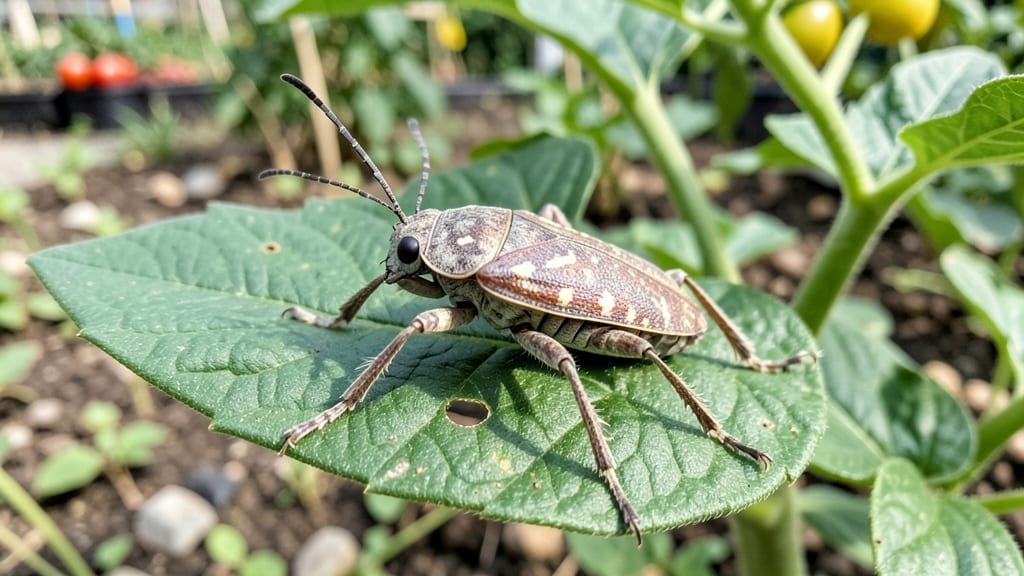
How to get rid of leaf-footed bugs naturally—without chemicals or harsh sprays—starts with a simple, effective trick that saves your garden’s health. 🌿 I’ve watched them turn vibrant tomatoes into sad, spotted messes—and I’m done letting them win without fighting back the natural way. The good news? A simple soapy water spray knocks out these pests in minutes, without harming your garden’s balance.
First, identify them: these bugs have flat, shield-shaped bodies and distinctive leaf-like feet. They love tomatoes, peppers, and beans, hiding under leaves during the day. The secret weapon? A mix of 1 tablespoon mild dish soap and 1 quart water in a spray bottle.
Shake well, then spray directly on bugs and undersides of leaves. They’ll drop off within minutes, and your plants will start healing immediately.
This method works because it disrupts their waxy outer layer without killing beneficial insects. For stubborn infestations, repeat every 3-4 days until they’re gone. The best part? You’re not introducing harsh chemicals—just restoring your garden’s natural harmony while keeping those pests at bay.
Pro tip: Add a few drops of neem oil to the mix for extra protection, and always spray in the early morning to avoid harming bees. Your plants will thank you with lush, pest-free growth in no time.
📚 In This Guide
- What you need
- Instructions
- Tips and common mistakes
- Wrapping up and next steps
What you need
- ● Dish soap (dawn or castile soap): 1–2 tablespoons (choose a mild, biodegradable option like Dr. Bronner’s or Seventh Generation)
- ● Water: 1 gallon (or ~3.8 liters) of warm water (helps the soap mix better)
- ● Spray bottle: 1–2 large spray bottles (16–32 oz) with a fine-mist nozzle
- ○ Gloves (optional but recommended): 1 pair of rubber or nitrile gloves (protects your hands from irritation)
- ● Sturdy container: 1 gallon-sized bucket or large pitcher (for mixing)
- ● Neem oil (1 tsp): Adds repellent properties (mix into the soapy water for extra pest-deterring power)
- ● Essential oils (e.g., peppermint, citrus, or eucalyptus): 5–10 drops (leaf-footed bugs dislike these scents—great for prevention!)
- ● Handheld vacuum or aspirator: For quickly removing stunned bugs after treatment
- ● Pruning shears: To trim heavily infested plant areas (if bugs are clustered)
- ● Lightweight tarp or plastic sheeting: To cover plants before spraying (protects beneficial insects)
Step-by-Step instructions for eliminating leaf-footed bugs naturally
Here's the method I've used to clear infestations without harsh chemicals—works fast and keeps your plants safe.
🌿 Step 1: Identify and Locate the Infestation
Leaf-footed bugs hide along leaf undersides, in flower clusters, and along stems during the day. I start by examining plants in the morning when bugs are sluggish—look for small, brownish ovals with distinctive leaf-like hind legs. Check the lower leaves and fruit clusters first, as these are their favorite hiding spots.
Shake plants gently over a white tray or newspaper—you'll see them scurry away. Note which plants have the heaviest infestation so you can target those first. I always spot-check the same areas every 3-4 days to track progress, as adults may lay new eggs you won't see until they hatch.
💧 Step 2: Prepare the Soapy Water Spray Solution
Mix 1 tablespoon mild liquid castile soap (like Dr. Bronner's) with 1 quart warm water in a spray bottle. Avoid dish soap—it's too harsh and can damage plant tissues. I like to add 1 teaspoon vegetable oil to help break the bugs' protective wax coating and improve adhesion.
Shake well before each use, as the oil and soap will separate. Test the solution on a small leaf first—if it causes browning within 10 minutes, dilute with more water. The goal is to suffocate the bugs without harming beneficial insects like ladybugs or lacewings.
✂️ Step 3: Apply the Spray at Peak Activity Times
Spray in the early morning or late evening when temperatures are below 85°F and beneficial insects are less active. Focus on the undersides of leaves, along stems, and inside flower clusters where eggs are often laid. Apply until the solution lightly coats the foliage but doesn't pool.
Reapply every 2-3 days for at least 2 weeks, as new nymphs will continue emerging. I wear gloves during application—some plant oils can irritate skin. If you notice leaves curling or wilting after treatment, rinse the plant with plain water immediately.
☀️ Step 4: Implement Physical Barriers and Habitat Disruption
While spraying, place yellow sticky traps near infested plants to catch flying adults. Leaf-footed bugs are attracted to yellow surfaces, and these traps remove them from your garden ecosystem. I also remove any heavily damaged fruit or leaves—bugs won't return to feed if their food source is gone.
For severe cases, I cover young plants with fine mesh netting during the day to prevent new adults from reaching them. This is especially effective for tomato and pepper plants, which are their favorite hosts. Remember to remove the netting at night so the plants can photosynthesize properly.
🌱 Step 5: Encourage Natural Predators and Long-Term Prevention
Plant dill, fennel, or cilantro nearby—these attract parasitic wasps that prey on leaf-footed bug eggs. I also introduce assassin bugs or minute pirate bugs (available at garden centers) to established gardens, as they actively hunt these pests. These predators will create a natural balance over time.
After eliminating the current infestation, maintain prevention by removing garden debris where bugs overwinter and practicing crop rotation. I always inspect new plants before bringing them indoors, as these bugs often hitch rides on nursery stock. Regular monitoring keeps them from becoming a recurring problem.
Tips & tricks for eliminating leaf-footed bugs effectively
These practical strategies will help you maximize the effectiveness of your natural pest control method while keeping your garden thriving.
Timing is Everything: The 3-4 day monitoring interval in Step 1 is crucial because leaf-footed bug eggs hatch every 5-7 days. If you see new nymphs appearing before your next scheduled check, extend the monitoring to every 2-3 days during peak hatching seasons (late spring and summer). I've found that using a small notebook to track sightings helps identify patterns in your specific garden environment.
Solution Precision: When preparing the soapy water spray in Step 2, I recommend using a spray bottle with a fine mist nozzle to ensure even coverage. The vegetable oil addition is particularly effective—it disrupts the bugs' waxy protective layer, making the soap solution work twice as hard. Remember to shake the bottle thoroughly before each use, as the oil and soap will naturally separate over time. For large plants, consider using a pump sprayer for better reach and coverage.
Targeted Application: In Step 3, focus your spraying on the undersides of leaves and along stems where eggs are often laid. I've noticed that leaf-footed bugs particularly favor the leaf axils (where leaves meet stems) and flower clusters. For dense foliage, work in sections to ensure you don't miss any hiding spots. The key is thorough but gentle coverage—you want to suffocate the bugs without damaging the plant tissues.
Environmental Considerations: The temperature limit of 85°F in Step 3 is important because beneficial insects become more active in hotter conditions. If you're working in temperatures above 85°F, consider spraying in the early morning when it's cooler. I've also found that misting plants with plain water before applying the soapy solution helps create a better film that sticks to the foliage, especially on hairy or waxy leaves that might repel the spray otherwise.
Pro Tips for Get Rid Of Leaf Footed Bugs Naturally
- These practical strategies will help you maximize the effectiveness of your natural pest control method while keeping your garden thriving.
- Timing is Everything: The 3-4 day monitoring interval in Step 1 is crucial because leaf-footed bug eggs hatch every 5-7 days.
- Solution Precision: When preparing the soapy water spray in Step 2, I recommend using a spray bottle with a fine mist nozzle to ensure even coverage.
Frequently asked questions
about leaf-footed bugs and natural solutions—because even the best-laid plans need a little troubleshooting!Will soapy water harm my plants if I use it to kill leaf-footed bugs?
A mild soap solution (like dish soap mixed with water) is generally safe for most plants when used sparingly. However, avoid harsh soaps or over-saturating foliage, as this can damage leaves. Always spot-test a small area first, especially for delicate plants like tomatoes or peppers.
How long does it take for soapy water to kill leaf-footed bugs?
You’ll often see results within minutes—leaf-footed bugs typically drop off plants or die on contact. For stubborn infestations, reapply the spray every 3–4 days until the bugs are gone. Patience is key, but consistency wins!
Are there other natural remedies besides soapy water?
Try these DIY alternatives:
- Neem oil spray: Disrupts their life cycle and deters future bugs.
- Diatomaceous earth: Sprinkle around plants (reapply after rain).
- Handpicking: Drop bugs into soapy water daily for small infestations.
- Beneficial insects: Ladybugs and lacewings eat leaf-footed bug eggs!
Why do I still see bugs after treating my plants?
Leaf-footed bugs hide under leaves, in soil, or on stems. Check thoroughly and retreat undersides of leaves. If the problem persists, they may have already laid eggs—keep monitoring for new nymphs (tiny, flat bugs) and repeat treatments every 5–7 days.
Does weather affect how well soapy water works?
Yes! Hot, sunny days are ideal—soapy water dries faster, increasing effectiveness. Avoid spraying right before rain, as it’ll wash away the solution. Early morning or late evening applications work too, but reapply if humidity is high.
Wrapping up and next steps
Kicking leaf-footed bugs to the curb doesn’t have to mean harsh chemicals—you’ve got this! With soapy water sprays, neem oil, and natural barriers, you’ve armed yourself with effective, eco-friendly solutions that protect your garden and the planet. 🌿
The key? Consistency and vigilance—check plants regularly, act fast at the first sign of trouble, and soon, your yard will be a bug-free paradise. Ready to reclaim your space? Start with one method today and monitor progress—your garden will thank you! 🌱