
How To
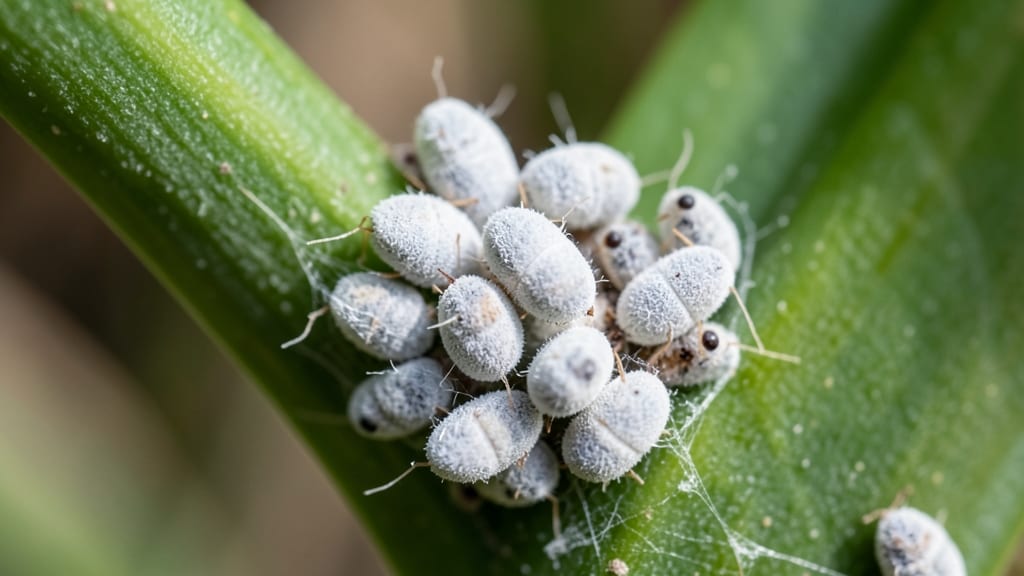
That first sticky white blob on your Dracaena’s leaves was the moment I knew how to get rid of mealybugs on my plant needed a fight. 🌱 Mealybugs turn vibrant foliage into a sad, cottony mess—but boiling water isn’t just a last resort, it’s the fastest way to wipe them out for good.
I’ve battled these pests through three seasons, and this method saved my plants every time without harsh chemicals.
The key is timing and precision: wait until you’ve got a full pot of water at a rolling boil, then pour it directly onto the pests. They’re soft-bodied, so the heat kills them instantly while leaving your plant mostly unharmed.
After the blast, wipe down leaves with a damp cloth to remove any lingering eggs or residue. It’s brutal but effective—no more waiting weeks for slow-acting sprays to work.
What you’ll end up with is a Dracaena that looks like it just came home from the nursery, all glossy leaves and no pests. The recovery is faster than you’d think—within a week, new growth starts pushing out, and the plant’s confidence returns.
Just watch for those sneaky eggs hiding in leaf crevices, and repeat if needed.
This method works best for small to medium plants, but even large Dracaenas respond well if you’re thorough. The secret? Don’t skip the follow-up check in a week—mealybugs have a way of staging comebacks. With this approach, you’ll have your plant back to its thriving self in no time.
Root Causes of Mealybug Infestations
Mealybugs don’t just appear out of nowhere—they’re drawn to specific conditions that make your Dracaena the perfect all-you-can-eat buffet. Understanding these triggers is the first step to stopping them before they turn your plant into a pest paradise.
Let’s break down the science behind why these fuzzy white bugs show up uninvited.
Mealybugs are opportunistic pests, and a stressed Dracaena is their golden ticket. When your plant is struggling—whether from poor care, disease, or environmental factors—its natural defenses weaken, making it easier for mealybugs to latch on and feast.
How It Happens:
- Overwatering or Poor Drainage 💦
- Mealybugs thrive in moist, humid conditions. When soil stays soggy (often due to overwatering or compacted soil), it creates the perfect breeding ground.
Excess moisture also weakens the plant’s roots, reducing its ability to fight off pests. - Actionable sign: Yellowing leaves, mushy stems, or soil that smells sour.
- Underwatering or Drought Stress 🌵 - On the flip side, extreme drought weakens a Dracaena’s resilience.
When the plant is dehydrated, it produces sticky honeydew (a mealybug magnet) as a stress response, and its leaves become less tough, making them easier targets for pests. - Actionable sign: Crispy leaf edges, wilting, or a dull, dry appearance.
- Nutrient Deficiencies 🌱
- A lack of essential nutrients (like nitrogen, phosphorus, or potassium) makes your Dracaena vulnerable. Mealybugs detect these deficiencies and zero in on plants that can’t mount a strong defense.
- Actionable sign: Pale or yellowing leaves, stunted growth, or weak stems.
Mealybugs are tropical pests at heart—they love warmth, humidity, and low airflow. If your home mimics their natural habitat, they’ll stick around like uninvited houseguests.
How It Happens:
- High Humidity (60%+) 🌧️
- Mealybugs originate from tropical regions where humidity is consistently high.
If your home or greenhouse environment stays damp (especially in winter when heaters dry out air but corners stay moist), these pests will multiply rapidly. - Actionable sign: Condensation on leaves, mold growth on soil, or a perpetually "stuffy" feeling in the room.
- Stagnant Air & Poor Ventilation 🌀 - Without airflow, mealybugs aren’t just comfortable—they’re invisible. They hide in the nooks and crannies of your Dracaena’s leaves and stems, where air doesn’t circulate.
Poor ventilation also traps honeydew, creating a sticky trap that attracts more pests. - Actionable sign: Dust buildup on leaves, a "sticky" residue on surfaces near the plant, or pests clustering in one spot.
- Warm Temperatures (70–85°F) 🔥 - Mealybugs are cold-sensitive but love warmth. If your Dracaena sits near a heater, in a sunny window, or in a greenhouse, it’s basically a mealybug sauna.
They reproduce faster in these conditions, turning a few bugs into an infestation overnight. - Actionable sign: Rapid pest spread, especially in winter when indoor temps rise.
Sometimes, mealybugs hitch a ride on you, your tools, or new plants. Even the most careful plant parents can accidentally introduce these pests.
How It Happens:
- Bringing Infested Plants Home 🛒
- Mealybugs often hide in the undersides of leaves, stems, or soil of new plants.
If you don’t quarantine and inspect purchases, you might unknowingly bring them home. - Actionable sign: Spotting bugs on a new plant within days of purchase.
- Using Contaminated Tools or Pots 🪴
- Pruners, pots, or even your fingers can carry mealybugs from one plant to another. If you’ve worked with an infested plant and then touch your Dracaena, you’re spreading the problem.
- Actionable sign: Bugs appearing on multiple plants in the same area.
- Cross-Contamination from Soil or Mulch 🌍
- Potting mix, compost, or even outdoor soil can harbor mealybug eggs or adults. If you reuse soil or don’t sterilize containers, you’re rolling out the red carpet for these pests.
- Actionable sign: Bugs emerging even after treating the plant.
Mealybugs don’t just eat—they love the byproducts of their meal. Their feeding creates honeydew, a sticky substance that attracts other pests (like ants) and promotes sooty mold, which further stresses your Dracaena.
How It Happens:
- High-Sugar Sap 🍬
- Dracaenas with soft, new growth or those under stress produce more sugar-rich sap—mealybugs’ favorite snack. The stickier the sap, the more attractive it is to them.
- Actionable sign: White, cottony masses on new growth or leaf undersides.
- Honeydew Buildup 🍯
- As mealybugs feed, they excrete honeydew, which:
- Attracts ants (who "farm" mealybugs for their sweet secretions).
- Creates a breeding ground for sooty mold (a black fungal growth that blocks sunlight).
- Actionable sign: Sticky residue on leaves or windowsills near the plant.
- As mealybugs feed, they excrete honeydew, which:
Mealybugs don’t follow a 9-to-5 schedule—they’re year-round pests with life cycles that align with your plant’s growth patterns.
How It Happens:
- Peak Activity in Warm Months ☀️
- While they can survive year-round indoors, mealybugs reproduce fastest in spring and summer when temperatures rise and humidity increases.
That’s why infestations often spike during these seasons. - Actionable sign: Sudden outbreaks when moving plants outdoors or increasing indoor heat.
- Egg Laying in Safe Spots 🥚
- Female mealybugs lay hundreds of eggs in protected areas like:
- Leaf axils (where leaves meet stems).
- Undersides of leaves.
- Cracks in bark or pots.
- These eggs hatch in 7–10 days under ideal conditions, leading to exponential growth.
- Actionable sign: Tiny white cottony clusters in hidden areas.
- Female mealybugs lay hundreds of eggs in protected areas like:
- Dormancy in Cold Conditions ❄️
- While mealybugs don’t die in cold, they slow down in cooler temps. However, indoor heating keeps them active year-round, which is why they’re a persistent problem for houseplant owners.
- Actionable sign: Slower spread in winter, but never complete eradication without treatment.
Quick Fixes for Mealybug Infestations
Mealybugs might seem like a stubborn foe, but with the right approach, you can reclaim your Dracaena’s health in no time. These pests thrive in specific conditions, so targeting the cause alongside the bugs is key.
Below, we break down practical solutions tailored to common triggers—plus tips to keep your plant pest-free long-term.
Mealybugs love hiding in crevices where dust or old leaves accumulate. If your Dracaena is looking neglected, start with a deep clean.
How to Fix It:
- 👨🍳 Rinse Leaves with Water
- Fill a spray bottle with lukewarm water (not hot) and gently mist all sides of the leaves. Use a soft cloth or sponge to wipe away dust and cobwebs where mealybugs might nest.
- Pro Tip: 💡 Add a drop of mild dish soap (like Castile soap) to the water for extra pest-deterring power.
- 🔪 Trim Infested Areas
- Use sterilized scissors to snip off heavily infested leaves or stems. Dispose of them in a sealed bag—not the compost bin—to prevent reinfestation.
- Pro Tip: ✨ Dip scissors in rubbing alcohol between cuts to kill any lingering bugs.
- 🏠 Quarantine the Plant
- Move your Dracaena to a separate room (like a bathroom or garage) for 1–2 weeks. Mealybugs spread via touch, so isolation breaks the cycle.
- Pro Tip: 🌡️ Keep the area warm (70–75°F) and humid—mealbugs hate dry heat!
Soggy soil is a mealybug magnet. If your plant’s roots are sitting in moisture, it’s time to revamp your watering routine.
How to Fix It:
- ⏰ Let Soil Dry Between Waterings
- Stick your finger 1–2 inches into the soil. If it’s damp, wait. Dracaena prefers soil that’s slightly dry at the top before watering again.
- Pro Tip: 📊 Use a moisture meter for accuracy—no more guesswork!
- 🚿 Improve Drainage
- Repot your Dracaena in a well-draining mix (add perlite or orchid bark to regular potting soil).
- Ensure the pot has drainage holes—if not, drill them or upgrade to a new container.
- Pro Tip: 🎯 Elevate the pot on feet or pebbles to prevent water pooling at the bottom.
- 💦 Use a Boiling Water Blast (Instant Kill!) - For stubborn clusters, boiling water is your secret weapon.
Here’s how: - Heat water to a rolling boil (don’t microwave—it’s not hot enough!). - Quickly pour it directly onto mealybug hotspots (aim for the base of leaves and stems). - Warning: 🔥 Do this outdoors or in a sink—boiling water can damage surfaces.
If you prefer non-toxic solutions, these DIY sprays are effective and safe for pets/kids.
How to Fix It:
| Remedy | How to Use | Frequency |
|---|---|---|
| Neem Oil Spray | Mix 1 tsp neem oil + 1 tsp mild soap + 1 quart water. Spray every 7 days until bugs vanish. | Weekly (3–4 weeks) |
| Rubbing Alcohol Wipe | Dip a cotton swab in 70% isopropyl alcohol and dab directly on mealybugs. | As needed (reapply in 2 days) |
| Insecticidal Soap | Spray a commercial or homemade soap spray (1 tbsp soap per quart water) on all leaf surfaces. | Every 5–7 days |
Pro Tip: 💡 Test sprays on a small leaf first—some Dracaena varieties are sensitive to oils.
An ounce of prevention saves a pound of pests! Once your Dracaena is clean, lock in these habits:
- 🌿 Inspect New Plants – Quarantine all new additions for 2 weeks before introducing them to your collection. - 🍃 Prune Regularly – Remove yellow or dying leaves promptly—they attract pests. - 🕷️ Encourage Beneficial Bugs – Ladybugs and lacewings love mealybugs!
Place sticky traps near your plant to attract them. - 🌡️ Maintain Ideal Conditions – - Light: Bright, indirect sunlight (no harsh direct sun). - Humidity: 40–50% (use a humidifier or pebble tray if your home is dry). - Temperature: Keep it consistent (65–80°F)—mealbugs hate sudden changes!
Final Thought: Mealybugs may be sneaky, but with these targeted fixes, your Dracaena will bounce back faster than you think. Start with one method, monitor progress, and double down if needed. Soon, you’ll have a pest-free, thriving plant—and the satisfaction of outsmarting an infestation! 🌱💪
Frequently asked questions
How often should I check my Dracaena for mealybugs after treatment?
Inspect your plant every 3-5 days for the first 2 weeks after treatment—mealybug eggs hatch quickly! Focus on leaf undersides, stems, and crevices where pests hide. After that, weekly checks keep early infestations in check.
Will boiling water harm my Dracaena if I accidentally splash it?
Boiling water can damage leaves if overused, but your Dracaena is tough! Just avoid the center of leaves—target only mealybug hotspots. For extra safety, test a small area first. Most plants recover quickly if you're careful.
Why do mealybugs keep coming back even after I treat them?
Rebounds often happen when you miss hidden eggs or don't fix the root cause (like overwatering). After treatment, quarantine your plant for 2 weeks, clean nearby surfaces, and check soil moisture—mealybugs thrive in damp conditions.
Can I use neem oil on my Dracaena if I have pets?
Yes, but with caution! Neem oil is pet-safe when diluted properly (1 tsp oil + 1 tsp soap per quart water). Keep pets away while spraying, and avoid inhaling the mist. Always spot-test first on a small leaf area.
What's the fastest way to tell if mealybugs are gone?
Use a magnifying glass to inspect all leaf surfaces and stems for cottony clusters or tiny white specks. If you see nothing after 3 weeks of consistent checks, your plant is likely pest-free!