
How To
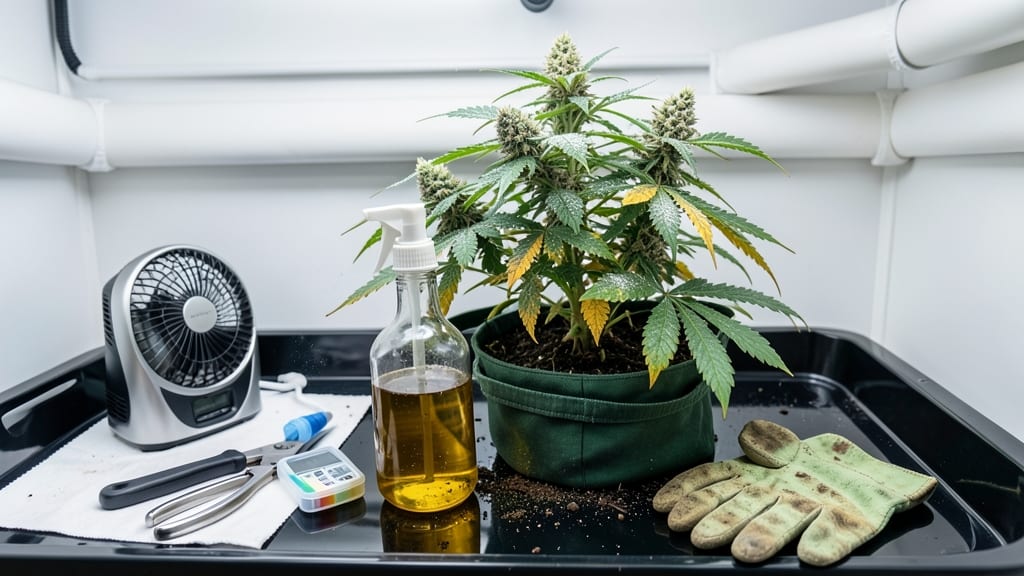
How to get rid of mold on weed plants turns vibrant buds into fuzzy gray nightmares. ✨ I’ve battled this scourge in every season—from damp greenhouses to outdoor gardens—and the boiling water barrier is the fastest way to smother spores before they spread. It’s brutal on mold but gentle on your plants when done right.
This method works because mold thrives in moisture, and boiling water creates a steam barrier that kills spores on contact. You’ll need a kettle, gloves, and patience—no harsh chemicals, just science. The key is timing: treat plants in the morning so they dry quickly under sunlight.
Within 24 hours, you’ll see mold retreat, and new growth will emerge cleaner. The trick is prevention afterward: improve airflow, reduce humidity, and avoid overhead watering. Skip this step, and you’ll be back to square one.
Works for indoor grows, outdoor plants, and even stored harvests. Let’s get those buds back to their full, mold-free glory—fast.
Root Causes Of Fungal Growth
Mold on your weed plants isn’t just an eyesore—it’s a sign that your grow environment has tipped the balance against healthy cannabis cultivation. Understanding why mold thrives is the first step to preventing it. Below, we break down the real culprits behind fungal outbreaks, from microscopic invaders to environmental missteps.
Cannabis plants love moisture, but too much humidity turns your grow space into a fungal buffet. Mold spores—like those from Botrytis cinerea (bud rot) or Aspergillus—thrive in air saturated with water vapor (above 60% relative humidity). Here’s why:
- Condensation buildup: Cool surfaces (like walls, fans, or buds) create water droplets when warm, humid air meets them. These droplets act as nutrient-rich landing pads for spores.
- Stagnant air pockets: Without proper airflow, humid air lingers around plant foliage, trapping moisture against leaves and buds. Botrytis, for example, spreads via water splashes during irrigation.
- Root zone saturation: Overwatered soil or poor drainage leads to waterlogged roots, which stress plants and weaken their defenses against mold.
Actionable fix: Aim for 40–55% humidity during flowering and 50–60% during veg. Use oscillating fans, dehumidifiers, or exhaust vents to keep air moving.
Plants compete for resources—light, nutrients, and airflow. When cannabis grows too close together:
- Bud surfaces stay damp: Dense foliage blocks airflow, preventing buds from drying evenly after irrigation. Aspergillus and Penicillium mold love these moist, shaded conditions.
- Stress signals attract spores: Overcrowding weakens plants, making them more susceptible to fungal infections. Ethylene gas (released by stressed plants) can even accelerate mold spread.
- Light penetration drops: Shady lower buds stay cooler and wetter, creating ideal mold incubators.
Actionable fix: Space plants 12–18 inches apart in veg and 18–24 inches apart in flower. Prune lower leaves to improve airflow, and avoid top-heavy growth.
Mold spores are everywhere—in tap water, compost, and even store-bought soil. If your grow medium or irrigation source is tainted, you’re actively inviting fungal infections:
- Chlorine-resistant spores: While chlorine kills some bacteria, it does nothing for mold spores. Aspergillus can survive standard chlorination.
- Organic matter breakdown: Compost or fresh soil teeming with decomposing plant material creates heat and moisture, perfect for Rhizoctonia or Pythium.
- Reused grow medium: Old soil or hydroponic substrates harbor dormant spores that reactivate when conditions are right.
Actionable fix: Use filtered or distilled water (or let tap water sit for 24 hours to off-gas chlorine). Sterilize soil with hydrogen peroxide (3%) or bake it at 180°F (82°C) for 30 minutes.
Mold doesn’t just like moisture—it loves temperature fluctuations that weaken plants:
- Cold nights + warm days: Condensation forms on buds when warm air cools rapidly (e.g., near AC vents or drafty grow tents). This creates micro-climates where Botrytis thrives.
- Chilled buds after harvest: Storing freshly cut cannabis in cold, humid environments (like a fridge) can trigger mold within 24–48 hours.
- Root zone shocks: Sudden temperature drops (e.g., moving plants from indoors to outdoors) stress roots, making them more vulnerable to root-rot fungi like Phytophthora.
Actionable fix: Maintain stable temps (70–85°F / 21–29°C). Use space heaters or AC units to avoid swings, and never store buds in plastic bags—use breathable mesh bags instead.
Now that you know the why, the next step is stopping mold before it starts. But if it’s already taken hold? Act fast—some molds (like Aspergillus fumigatus) can produce toxic mycotoxins harmful to humans.
Fixing Mold on Cannabis Plants
Mold on your weed plants is a grower’s nightmare, but the good news is that you can tackle it—fast. The key is identifying the root cause and applying the right fix before it spreads.
Below, we break down practical solutions for common causes, from humidity control to organic sprays, plus prevention tips to keep your grow room mold-free for good.
Cause: Stagnant air, poor airflow, or overwatering creates the perfect damp environment for mold spores to thrive. Fix:
- Boost ventilation 💨 – Use an exhaust fan or oscillating fan to circulate air. Aim for 10-20% humidity in the flowering stage (lower in veg).
- Dehumidifier hack 🌬️ – Run a small dehumidifier (or even a DIY setup with a fan + damp towel) to pull moisture from the air.
- Space plants properly 🌿 – Overcrowding traps humidity. Keep leaves 1-2 inches apart for airflow.
- Quick-dry trick 🔥 – After watering, stop misting and let the soil dry slightly between sessions.
Prevention pro tip: 💡 Use a hygrometer to monitor humidity—don’t guess!
Cause: Water droplets on leaves (from misting, rain, or condensation) create mold hotspots. Fix:
- No overhead watering 🚫💦 – Water at soil level only. Use a spray nozzle or drip system to avoid leaf wetness.
- Morning watering only ☀️ – Wet leaves dry faster in sunlight. Avoid evening watering when temps drop.
- Leaf drying spray 🌿 – If you must mist, use a 70% isopropyl alcohol spray (1:3 ratio with water) to evaporate moisture quickly.
- Prune lower leaves ✂️ – Trim leaves touching wet soil or trays to reduce mold risk.
Prevention pro tip: ✨ Fan leaves gently after watering to speed up drying.
Cause: Yellowing, broken, or dead leaves trap moisture and spores. Fix:
- Prune aggressively ✂️ – Snip off any discolored or dying leaves with clean scissors. Dispose of them outside (not in compost).
- Sanitize tools 🧼 – Wipe scissors with rubbing alcohol between cuts to prevent cross-contamination.
- Avoid over-fertilizing 🌱 – Burnt or weak leaves are mold magnets. Stick to balanced nutrients (like 3-4-5 or 1-1-1).
Prevention pro tip: 🎯 Inspect plants weekly—catch mold early before it spreads!
Cause: You’ve spotted fuzzy green/black spots (bud rot, powdery mildew, or botrytis). Fix:
- Isolate infected plants 🚫🌱 – Move them to a separate room with a fan to prevent spore spread.
- Boiling water barrier 🔥💧 – Pour boiling water around the base of the plant (not on leaves) to smother spores in the soil.
- Neem oil spray 🌿 – Mix 1 tsp neem oil + 1 tsp mild soap + 1 quart water. Spray affected areas only (test on a small leaf first).
- Hydrogen peroxide dip 🧴 – Soak pruning shears in 3% hydrogen peroxide for 10 minutes between cuts.
- Baking soda spray 🧂 – For powdery mildew, mix 1 tsp baking soda + 1 tsp oil + 1 gallon water. Spray every 3-5 days.
Emergency tip: 🚨 If mold is on buds, harvest immediately (even if not fully cured) and cure with fans + dehumidifier to kill spores.
To keep mold at bay, follow this grow room armor: ✅ Humidity: 40-50% (veg), 40-50% (flower) – never above 60%. ✅ Airflow: Fans 24/7 (even at night). ✅ Lighting: LED or HPS (avoid condensation on grow tents). ✅ Substrate: Use well-draining soil (like Fox Farm Ocean Forest) or coco coir. ✅ Cleanliness: Wipe down surfaces monthly with vinegar or bleach solution. ✅ Quarantine new plants 🛑 – Keep them separate for 2 weeks before introducing to your grow.
Final thought: Mold is beatable—act fast, stay dry, and stay vigilant. Your plants (and your high) will thank you! 🌱💨
Frequently asked questions
Can I still harvest weed plants with mold?
It depends on the severity. If mold is only on small leaves or the bottom of the plant, you can still harvest—but remove all infected buds and cure them separately with high airflow and low humidity (below 55%). If mold is on buds or flowers, harvest immediately and cure aggressively to kill spores. Never consume moldy buds—they can produce toxic mycotoxins harmful to humans.
How do I know if my mold is dangerous?
Most common cannabis molds (Botrytis, Penicillium) are annoying but not toxic. However, black or green fuzzy mold (like Aspergillus) can produce dangerous mycotoxins. If you see black spots or suspect Aspergillus, burn the plant immediately—don’t harvest or smoke it. For peace of mind, test buds with a mold test kit before consumption.
Will boiling water harm my weed plants?
No, if done correctly! Pour boiling water around the base of the plant (not on leaves) to create a steam barrier that smothers soil-borne spores. The heat kills mold without damaging roots. Just avoid direct contact with foliage—steam burns leaves. For extra safety, use cool boiled water (let it sit for 10 minutes) to prevent heat shock.
Can I use vinegar to kill mold on weed plants?
Yes, but carefully! Mix 1 part white vinegar + 3 parts water and spray only on affected areas (test on a small leaf first). Vinegar’s acidity disrupts mold spores, but it can burn leaves if overused. For a gentler option, try neem oil spray or baking soda solution instead. Always rinse plants after treatment to remove residue.
How often should I check my plants for mold?
Inspect your plants every 2-3 days, especially during high-humidity stages (like flowering). Focus on buds, lower leaves, and soil surfaces—these are mold hotspots. Use a magnifying glass for early detection. If you spot mold, act within 24 hours to prevent spread. Preventative checks save time and stress!