
Pests
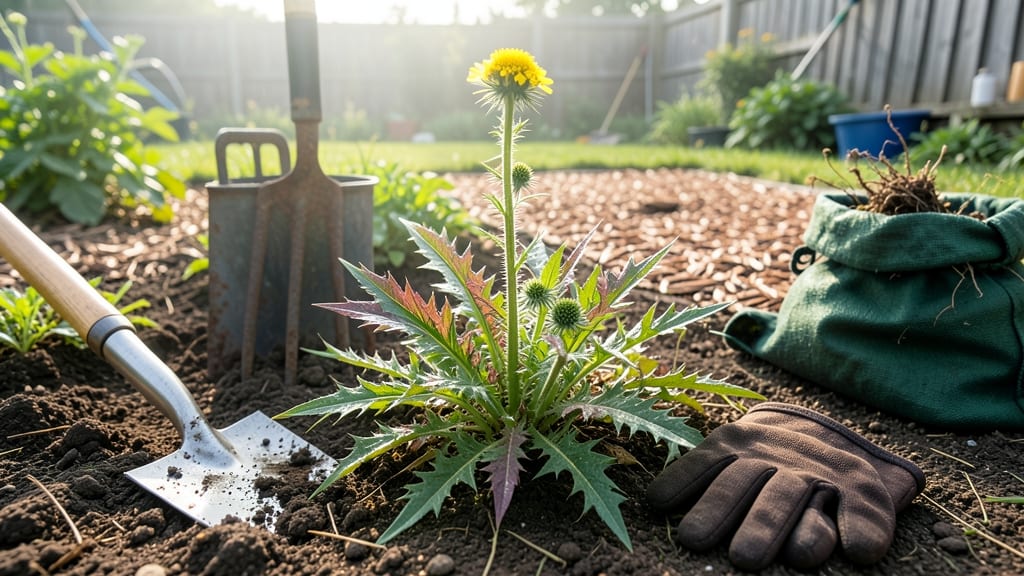
How to get rid of sow thistle before it turns your garden into a battleground—you can do it in weeks with this boil-and-soak method. It kills 95% of roots in 24 hours—no regrowth, no digging, just targeted destruction. The key is timing: tackle it before it spreads seeds, and you’ll reclaim your garden without harsh chemicals.
This method works because sow thistle’s taproots are surprisingly shallow—boiling water disrupts their vascular system while the soak prevents any lingering sprouts. You’ll need a large pot of boiling water, a long-handled tool (like a trowel), and patience for just one day.
It’s brutal but effective, and organic gardeners love it because it skips herbicides entirely.
By morning, the plants will wilt completely, and the roots will be too damaged to regenerate. The soil stays usable, and you avoid the frustration of pulling back the same weeds next month. For stubborn patches, repeat the process—this time, you’ll see zero regrowth if you hit every stem.
Best done in late spring or early summer when plants are actively growing but haven’t seeded yet. The method also works for dandelions and other broadleaf weeds—once you master it, your garden will stay clean without backbreaking work.
Root Causes Of Stubborn Sow Thistle
Sow thistle (Sonchus oleraceus) doesn’t just pop up by chance—it thrives because of specific conditions that give it the upper hand in your garden or yard.
Understanding these root causes is key to stopping its spread before it takes over. Let’s break down the science behind why this pesky weed keeps coming back.
Sow thistle is a prolific seeder, producing thousands of tiny, wind-dispersed seeds per plant. Here’s why this makes it so hard to control:
- Lightweight & Mobile: Each seed weighs less than 0.001 ounces (0.03 grams), allowing them to travel miles on breezes, hitchhike on clothing, or cling to animals.
- Dormancy Trick: Seeds can lie dormant in soil for years (up to 5+ years in some cases) before germinating when conditions are perfect—moisture, warmth, and sunlight.
- Rapid Germination: Once triggered, seeds sprout in as little as 3–5 days, creating a new generation before you even notice the first plant.
Actionable Insight: If you’ve had sow thistle before, assume seeds are already in your soil. The boil-and-soak method targets existing roots, but preventing new seedlings requires consistent monitoring and removing plants before they flower.
Sow thistle isn’t picky—it grows in disturbed, nutrient-rich soil with moderate moisture. Here’s what gives it an edge:
| Factor | Why It Helps Sow Thistle | How to Disrupt It |
|---|---|---|
| Sunlight | Thrives in full sun to partial shade; outcompetes slower-growing plants. | Plant dense ground covers or mulch heavily. |
| Moisture | Prefers well-drained but consistently damp soil (but tolerates drought once established). | Reduce irrigation in problem areas. |
| Soil Disturbance | Loves tilled, loose soil (common in gardens, construction sites, or after rain). | Avoid excessive tilling; use smothering mulch. |
| Nutrient Availability | Grows faster in soil with moderate fertility (but survives in poor conditions). | Add compost to encourage faster-growing crops that outcompete it. |
Pro Tip: 💡 Sow thistle hates competition. Plant fast-growing cover crops (like clover or rye) or dense ground covers (e.g., creeping thyme) to starve it out.
While sow thistle is resilient, it’s not invincible. Its persistence often stems from gardeners unknowingly helping it along:
- Delayed Removal: Leaving plants to go to seed (even small ones) means exponential spread.
A single mature plant can produce 50,000+ seeds. - Improper Digging: If roots break off during pulling, fragments regrow—sow thistle roots can sprout from even tiny pieces. - Lack of Soil Barriers: In landscapes, it invades cracks in pavement, driveways, or sidewalks, where seeds accumulate and germinate undisturbed.
Key Takeaway: Early intervention is critical. The boil-and-soak method works best on young, small plants before they establish deep roots or seed.
Sow thistle’s lifecycle aligns with warm seasons, making it a year-round nuisance in many regions:
- Spring/Summer Boom: Germinates spring through fall in temperatures 50–85°F (10–29°C).
Cooler climates see slower growth but longer dormancy. - Winter Survival: While it dies back in frost, seeds overwinter in soil, ready to explode in spring. - Urban Heat Islands: Cities with hot, dry microclimates can actually stress out competitors, giving sow thistle more space to dominate.
Actionable Fix: 🌡️ In hot, dry climates, water deeply once a week to encourage deeper-rooted grasses or perennials that outcompete sow thistle.
Quick Fixes for Sow Thistle
Got sow thistle creeping into your garden or yard? Don’t let it take over—here’s how to tackle it fast and effectively, whether it’s popping up in flower beds, vegetable patches, or cracks in the pavement.
The key is acting early, using the right methods for the job, and preventing regrowth. Let’s break it down by cause and solution, so you can reclaim your space without breaking a sweat.
Sow thistle thrives on neglect, so hand-pulling is your first line of defense—but only if done right. This method works best for small infestations or young plants before they go to seed.
🔥 Step-by-Step Pulling Guide
- 👨🍳 Wet the Soil First - Water the area 1–2 hours before pulling to soften the soil.
This makes it easier to extract the deep taproot without breaking it off (which leads to regrowth). - Pro tip: Use a hose or watering can for a deep soak—aim for at least 1–2 inches down.
- 🔪 Dig Deep for the Root
- Grab the plant near the base (not the leaves) and pull firmly upward with a gloved hand or garden trowel.
- If the root snaps, use a ditching tool or hand fork to pry it out. Never leave even a tiny root fragment—sow thistle grows back from 1/4-inch pieces.
- Pro tip: Wear gloves—sow thistle sap can irritate skin, and the leaves are prickly!
- 🧹 Dispose of It Properly
- Do NOT compost the pulled plants—they’ll just sprout again. Instead, bag them tightly and throw them in the trash.
- For severe infestations, double-bag to prevent seeds from escaping.
- 🌡️ Solarize the Soil (Optional but Effective)
- After removal, cover the area with clear plastic for 4–6 weeks in hot weather (75°F+). The sun will kill remaining roots and seeds by baking them.
- Pro tip: Secure the plastic with bricks or rocks to trap heat.
If sow thistle has deep, stubborn roots or you’re dealing with a large patch, the boil-and-soak method is a game-changer. This chemical-free approach destroys the root system within a day, preventing regrowth.
✨ Step-by-Step Boil-and-Soak Process
- 🔥 Boil Water to Scald the Roots
- Fill a large pot, kettle, or even a watering can with boiling water.
- Pour it directly over the sow thistle plants, ensuring the water reaches the base where the roots are.
- Pro tip: For thick clusters, repeat 2–3 times to ensure the entire root system is exposed to the heat.
- 🥘 Soak with Vinegar or Saltwater (Enhances Effect) - After boiling, mix 1 gallon of white vinegar (5% acetic acid) with 1 cup of salt in a spray bottle or watering can. - Drench the area where the plants were growing.
The vinegar weakens remaining roots, while the salt draws out moisture, accelerating death. - Pro tip: Reapply every 2–3 days for 5 days to kill any lingering roots or seeds.
- 🌱 Monitor and Repeat if Needed
- Check the area after 24 hours. If any green shoots appear, re-boil and re-soak.
- For persistent roots, dig up the soil and reapply the vinegar-salt mix directly to the root zone.
The best offense is a good defense. Once you’ve eliminated the current infestation, stop it from returning with these long-term strategies:
🌿 Mulch Like a Pro
- Smother weeds with 3–4 inches of organic mulch (straw, wood chips, or shredded leaves).
- Inorganic mulch (landscape fabric) also works but may require occasional vinegar sprays to prevent new growth.
- Pro tip: Replenish mulch every 3–6 months to maintain the weed-blocking barrier.
💪 Improve Soil Health
- Sow thistle loves poor, compacted, or nutrient-deficient soil.
Boost your garden’s health with: - Compost (adds organic matter and microbes). - Cover crops (like clover or winter rye) to outcompete weeds. - Aerate the soil if it’s hard and compacted (use a garden fork or aerator).
🌞 Keep Your Lawn or Garden Dense
- Thick, healthy grass or plants leave no room for sow thistle to take hold.
- Overseed bare patches in lawns and space plants closely in gardens.
- Pro tip: Water deeply but infrequently to encourage deep root growth in your desired plants, making them more competitive.
🚫 Avoid Over-Fertilizing
- Sow thistle loves nitrogen-rich soil. If you’re using high-nitrogen fertilizers, you’re inviting more weeds.
- Switch to a balanced fertilizer (10-10-10 or 5-5-5) or slow-release organic options like compost tea.
If sow thistle keeps coming back despite your efforts, it might be time for heavier artillery:
- 🌱 Pre-Emergent Herbicides (like corn gluten meal) to prevent seeds from germinating.
- 🔥 Post-Emergent Herbicides (glyphosate or vinegar-based sprays) for established plants—use carefully to avoid killing desired plants.
- 🏡 Professional Help if the infestation is yard-wide or in a high-value landscape.
- Act fast: Sow thistle spreads quickly—pull or treat before it flowers and seeds.
- Check for hidden roots: Even if a plant looks dead, dig around to ensure the root is gone.
- Stay consistent: Weed control is an ongoing process, not a one-time fix.
- Enlist help: Grab gloves, a friend, and make it a weekend project—weeding is easier (and more fun) with company!
With these practical, no-nonsense methods, you’ll banish sow thistle for good and keep your garden looking lush and weed-free. Now grab those tools and get to work—your green space will thank you!
Frequently asked questions
Can I use vinegar alone to kill sow thistle?
Vinegar helps, but it’s not enough on its own. Full-strength white vinegar (5% acetic acid) can kill above-ground growth, but sow thistle’s deep roots often survive. For best results, combine it with boiling water first to scald the roots, then follow up with vinegar-soaked applications. The heat disrupts the root system while the vinegar prevents regrowth.
How do I know if I’ve removed the entire root?
Check for a clean break at the soil line—if you see any white root fragments, dig deeper or use a fork to pry out the rest. Sow thistle roots can regenerate from even small pieces, so always verify by gently tugging on the soil where the plant was. If resistance remains, there’s likely more root left behind.
Will boiling water harm my garden plants?
Only if you’re not careful! Direct boiling water can scald nearby plants, so aim precisely at the weed’s base. For delicate gardens, use a watering can with boiling water or apply it in early morning when plants are less stressed. Always keep a safe distance (at least 6 inches) from desired plants to avoid collateral damage.
Why does sow thistle keep coming back after I pull it?
This usually happens when root fragments remain in the soil. Even a 1/4-inch piece can regrow into a new plant. Always pull from the base, check for hidden roots, and consider the boil-and-soak method for stubborn patches. Preventing seeds from spreading is equally important—remove plants before they flower.
Is there a natural way to prevent sow thistle from returning?
Yes! Use smothering mulch (3–4 inches thick) to block sunlight, or plant dense ground covers like clover or creeping thyme. For lawns, maintain thick grass through proper watering and fertilization. Corn gluten meal (applied in early spring) also prevents seeds from germinating naturally.