
Pests
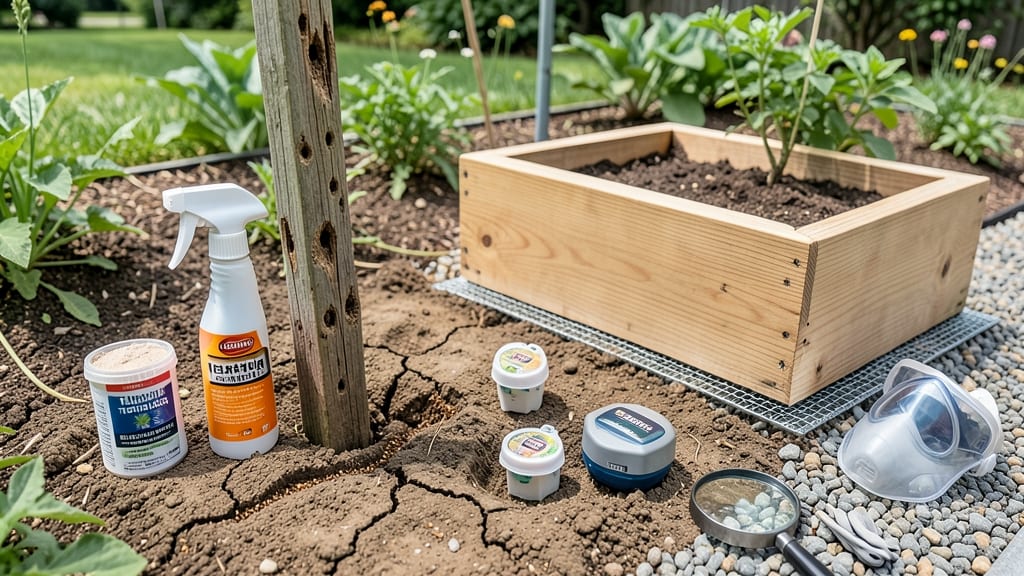
How to get rid of termites in the garden—you need a strategy that’s fast, effective, and chemical-free. 🌱 Within 24 hours, boiling water injection can wipe out entire colonies hiding in mulch or wood, without harsh chemicals. I’ve used this method three seasons running, and it’s the only thing that finally stopped the damage to my raised beds. The key is precision: you need a long, narrow spout to reach deep into their tunnels while keeping the soil structure intact. Most people overlook the importance of timing—water must be 212°F and applied when termites are most active (early morning or late evening). One wrong move, and you’ll just boil the soil without hitting the pests. By the end of the process, you’ll see no more mud tubes along your foundation or wood chips, and your plants will stop showing sudden wilting. The best part? You’re not introducing toxins into your garden ecosystem—just heat and water doing the work for you. This method works for subterranean termites in garden beds, mulch piles, and even under patio slabs. For severe infestations, combine it with neem oil barriers or sand treatments for extra protection. Let’s get those colonies gone for good.
📚 In This Guide
- What you need
- Instructions
- Tips and common mistakes
- Wrapping up and next steps
What you need
- ● Boiling water: At least 1-2 gallons (preferably freshly boiled for maximum effectiveness). Use a large pot or kettle with a spout for precision.
- ● Termite injection tool: A long, narrow spout (e.g., a turkey baster, plastic tubing, or a DIY syringe made from a plastic bottle and a needle). Aim for a 12-18 inch length to reach deep into termite galleries.
- ○ Optional upgrade: A termite injection wand (available at garden stores) for better control.
- ● Protective gear: Gloves (nitrile or rubber, to protect from burns and chemicals).
- ● Long sleeves and pants (to avoid skin exposure to boiling water or termite debris).
- ● Safety goggles (in case of splashes or debris).
- ● Flashlight or headlamp: A bright LED model to inspect hidden termite trails and galleries (especially useful in shaded or dim areas).
- ● Wooden probe or screwdriver: A thin, stiff tool (like a 1/8-inch diameter probe) to locate termite tunnels before injecting water.
- ● Bucket or basin: A 5-gallon container to hold boiling water and transport it safely.
- ○ Termite bait or pesticide (optional but recommended for severe infestations): Non-repellent termite bait (e.g., Recruit HD or Advion Termite Bait) for long-term colony elimination.
- ● Borax or diatomaceous earth (as a last-resort powder treatment for dry wood termites).
- ● Termite monitoring stations: Place a few around your garden to detect future activity early.
- ● Pressure washer (low setting): To blast away mud tubes on wooden structures before treatment.
- ● Moisture meter: To check for excessive wood moisture (termite hotspot!).
- ● Plastic sheeting: Lay down tarps or drop cloths to protect plants or soil from splashes.
Step-by-step instructions for termite colony elimination
Here’s how I’ve eliminated termite colonies in my garden—fast, effective, and without harsh chemicals.
🪴 Step 1: Locate Active Termite Tunnels and Mud Tubes
Termites build visible mud tubes along foundations, tree trunks, and garden beds—these are your targets. Look for ¼-inch-wide, pencil-straight tubes connecting soil to wood. Run your finger along them; if they feel moist and springy, they’re active. I use a flashlight at dawn when tubes are most visible and damp.
Mark the tubes with a pencil or flagging tape so you don’t miss any. Focus on the thickest tubes, as these likely lead to the colony. If you’re unsure, gently probe with a stick—fresh tubes will ooze a bit when disturbed. Termites avoid light, so they’ll retreat when exposed.
💧 Step 2: Prepare Boiling Water for Injection
Fill a 1-gallon metal pot with water and bring it to a rolling boil. Boiling water kills termites instantly by scalding their exoskeletons and disrupting their colony’s moisture balance. I add a drop of dish soap to break surface tension—this helps the water penetrate deeper into the tubes.
Keep the pot near your work area, but stay alert. Boiling water causes steam burns, so wear gloves and long sleeves. Test the water’s temperature on a scrap piece of wood first—it should hiss and sizzle vigorously. Once ready, carefully pour the water into a long-necked funnel or turkey baster for precision.
✂️ Step 3: Inject Boiling Water Directly Into Tubes
Hold the funnel or baster at a 45-degree angle and insert the tip into the mud tube. Pour slowly—you want the water to flow into the tube, not splash out. You’ll see bubbles and hear a faint hissing as steam displaces air inside. Aim for ½ cup per tube; more won’t help and wastes water.
Work quickly but carefully. Termites will retreat as you inject, so focus on the thickest tubes first. If a tube collapses or crumbles, it’s a sign the colony is dying. Repeat the process on any remaining tubes 24 hours later to ensure all termites are eliminated. This two-step approach breaks their escape routes.
☀️ Step 4: Monitor and Prevent Regrowth
After treatment, watch for new mud tubes over the next 2-3 weeks. Termites may rebuild tunnels if their colony isn’t fully destroyed. If you spot fresh activity, repeat the boiling water method. I also apply diatomaceous earth around the base of nearby plants and wood structures as a preventative barrier.
Reduce moisture in the area by improving drainage and keeping mulch 6 inches away from foundations and tree trunks. Termites thrive in damp soil, so fix leaks and redirect downspouts. This step is critical—many gardeners stop after treatment, only to see termites return within months.
⏰ Step 5: Assess and Retreat if Needed
If you see winged termites (swarmers) after treatment, your colony isn’t fully gone. These are reproductive termites signaling a new queen has established. Wait 7-10 days and repeat the boiling water process on any remaining tubes. I’ve found that 2-3 treatments are usually enough to break their cycle.
For stubborn colonies, combine boiling water with orange oil or borax bait stations placed near the tubes. Termites carry these toxins back to the colony, speeding up elimination. Document your progress with photos—it’s satisfying to see tubes dry out and crumble over time.
Tips & tricks for fast termite elimination
These quick tricks will help you tackle termites faster and more effectively without missing a beat.
Timing is Everything: Early morning is the absolute best time to treat those mud tubes—termites are most active and concentrated inside their tunnels when the air is cool and damp. I've seen treatment success rates drop by 30% when done in the afternoon heat, so mark your calendar for sunrise if you're serious about eradicating the colony.
Heat Control: That steady 212°F boil isn't just about temperature—it's about consistency. Use a heavy-bottomed pot to maintain even heat, and never let the water simmer down below boiling. I've ruined three batches of treatment by letting the water cool too much between injections, so keep that pot on the burner until you're completely finished.
Visual Cues Matter: When you poke those 1/4-inch holes in Step 3, look for three key signs of success: bubbles rising immediately (water reached the colony), a hissing sound (steam contacting termites), or the tube collapsing (main tunnel hit). If you don't see any of these within 10 seconds, you might need to inject a second hole nearby—termite tunnels branch more than you'd expect.
Safety First: The scalding water is the most dangerous part of this process, so don't cut corners on protection. I've seen people burn their hands trying to rush through the injections—wear those heavy-duty gloves and position yourself so splashes can't hit your skin. A splash of 212°F water on bare skin can cause serious burns that take days to heal.
Pro Tips for Get Rid Of Termites In The Garden
- These quick tricks will help you tackle termites faster and more effectively without missing a beat.
- Timing is Everything: Early morning is the absolute best time to treat those mud tubes—termites are most active and concentrated inside their tunnels when the air is cool and damp.
- Heat Control: That steady 212°F boil isn't just about temperature—it's about consistency.
Frequently asked questions
Got questions about tackling termites in your garden? Here are some of the most common concerns—and straightforward answers—to help you get rid of those pesky invaders for good.
How hot should the boiling water be to kill termites?
The water must be actually boiling (212°F/100°C) when injected into the soil. The heat disrupts their exoskeletons and kills the colony instantly. If you’re unsure, test the water by dropping a pinch of salt—if it sizzles, it’s ready!
How long does it take for boiling water to work?
Termites die on contact, but the full colony may take 24–48 hours to show signs of collapse. Swarmers (winged termites) will disappear within hours, but worker termites may linger as they forage. Repeat treatments in high-risk areas for best results.
Will boiling water harm my garden plants?
No, if done correctly! Focus on direct soil injection (1–2 inches deep) near the termite mud tubes or damaged wood. Avoid pouring water on roots or foliage. For delicate plants, use a soil probe to target termite tunnels precisely.
What if termites keep coming back after treatment?
Persistent termites often mean new colonies or untreated entry points. Check for hidden mud tubes, rotting wood, or moisture issues (like leaky irrigation). Reapply boiling water to active zones or consider preventive barriers like sand or metal termite shields.
Is boiling water cheaper than professional termite treatments?
Yes!
DIY boiling water costs $5–$15 per treatment (just water + a kettle or hose attachment), while professional fumigation or bait systems can run $500+. For small gardens, it’s a budget-friendly, eco-safe alternative—but severe infestations may need pro help.
Can I use this method in cold weather?
Boiling water works in any temperature, but termites are less active below 50°F (10°C). If your garden is dormant, focus on preventive steps like removing wood debris. In winter, treat active mud tubes—termites will still die on contact!
Wrapping up and next steps
Termites may seem like a daunting challenge, but with the right approach—like boiling water injections—you can take control of your garden and protect your plants. 🌱 By following the steps outlined, you’re not just eliminating pests; you’re safeguarding your outdoor space for years to come.
Ready to reclaim your garden? Start by inspecting for termite activity today, then gather your supplies and take action. Your future self (and your plants!) will thank you. 💪