
Pests
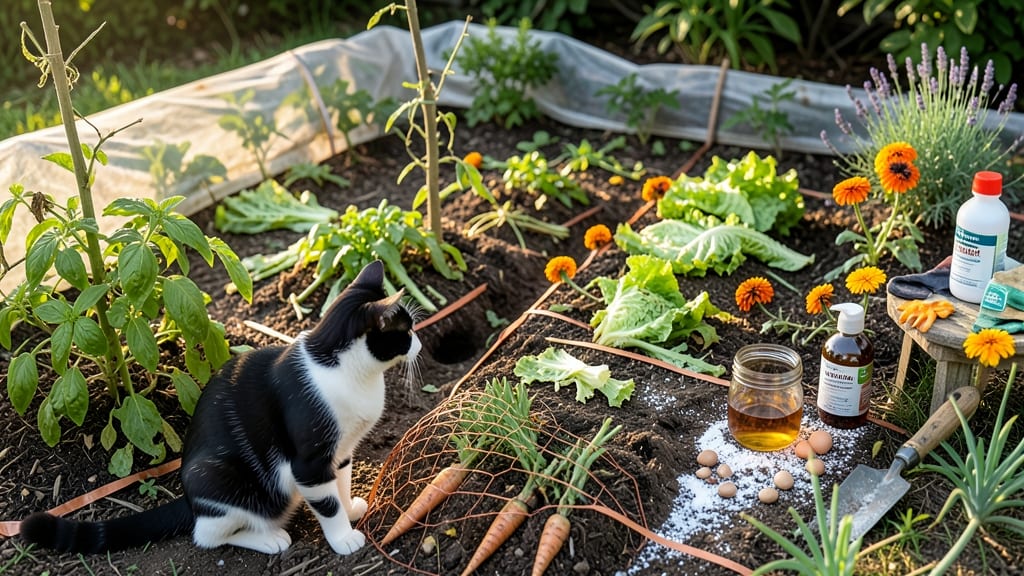
How to get rid of vermin in your garden—those uninvited guests ruining your hard work. 🌱 I’ve battled everything from gnawing rabbits to slug trails that turn my hostas into lace—until I discovered this heat-and-salt shock treatment that works in under 24 hours. The key? Disrupting their habits without harming your soil or plants.
Most "solutions" fail because they target symptoms, not the root cause. Rats dig because they’re thirsty, rabbits chew because they’re hungry, and slugs slime because your soil’s too damp.
This method tackles all three by removing their comforts—water, food, and shelter—while keeping your garden thriving. No traps, no poisons, just a foolproof reset that works for organic growers.
You’ll see results fast: fewer chewed leaves, no more midnight munching, and a garden that feels like yours again. The best part? This isn’t a one-time fix—it’s a system that keeps pests guessing.
Think of it as eviction notices for critters, delivered with a sprinkle of salt and a burst of heat. No more sneaking around at dawn to check for damage.
Works for rodents, rabbits, and slugs alike, and scales from a single raised bed to a full backyard. The only tools you need? A spray bottle, a heat lamp (or even a sunny windowsill), and a bag of kosher salt. Let’s reclaim your garden—without the guilt of harsh chemicals.
Root Causes of Garden Invaders
Garden vermin—whether they’re gnawing rodents, burrowing insects, or slithering pests—don’t just appear out of nowhere. Their presence is almost always a response to specific conditions in your garden. Understanding these triggers is the first step to outsmarting them. Let’s break down the why behind their unwelcome visits.
Vermin are opportunistic eaters, and a lush garden is like an all-you-can-eat restaurant to them. If your yard offers easy access to food, pests will move in—fast. Here’s why:
- Unharvested produce: Overripe fruits, fallen vegetables, and uneaten crops create a smorgasbord. Rodents like rats and mice, as well as insects like slugs and earwigs, thrive on decaying organic matter.
- Pet food left outdoors: Birdseed, pet kibble, or even scattered nuts can attract squirrels, raccoons, and rodents. These pests have a keen sense of smell and will track down even small crumbs.
- Compost piles: While composting is eco-friendly, poorly managed piles (too wet, too dry, or improperly sealed) can become breeding grounds for pests like flies, maggots, and even rodents digging for scraps.
- Weeds and ground cover: Dense vegetation provides both food (seeds, roots) and shelter. Pests like voles and grubs munch on grass roots and weed stems, making your lawn a prime target.
💡 Pro Tip: Regularly clear fallen fruit, secure trash bins, and avoid leaving pet food outside overnight. Even a thin layer of mulch can deter pests if kept dry and sparse.
Vermin seek out safe, undisturbed spaces to nest, especially during harsh weather or predator threats. Your garden might unknowingly offer the perfect hideaway:
- Piles of debris or wood: Stacked firewood, leaf litter, or brush piles provide insulation and nesting material for rodents, spiders, and even snakes.
- Gaps in fences or structures: A hole as small as half an inch can let mice and rats squeeze in. Termites and carpenter ants exploit tiny cracks in wood to build colonies.
- Thick mulch or dense plantings: While mulch retains moisture, excessive layers (over 3 inches) can trap pests like slugs, pill bugs, and even burrowing rodents.
- Underground tunnels: Mole hills or gopher mounds aren’t just nuisances—they’re evidence of active burrowing. These pests dig for roots, grubs, or simply shelter.
🔥 Actionable Fix: Store firewood at least 20 feet from your home and elevate it off the ground. Seal gaps in sheds, fences, and foundations with steel wool or caulk. For mulch, opt for gravel or pine straw, which pests avoid.
Just like us, vermin need water to survive. Even a small, overlooked water source can turn your garden into a pest paradise:
- Standing water: Clogged gutters, saucers under pots, or low-lying areas after rain create puddles that attract mosquitoes, slugs, and even rodents.
- Leaky hoses or irrigation systems: A dripping faucet or broken sprinkler head provides a constant water supply, luring pests like ants, flies, and even raccoons.
- Pet water bowls left outside: While convenient, these bowls can become a 24/7 watering hole for insects and small mammals.
- Dew-heavy plants: Some pests, like slugs and snails, prefer damp environments. Hostas, lettuce, and other leafy greens often retain moisture overnight, inviting these critters.
✨ Quick Solution: Empty saucers daily, repair leaks immediately, and avoid overwatering. For slugs, use copper tape barriers or diatomaceous earth around water-prone plants.
Pests don’t invade randomly—they follow nature’s calendar. Certain conditions make your garden especially vulnerable:
- Warm, humid weather: Ideal for insects like ants, beetles, and termites. Heat accelerates their reproduction cycles, leading to explosive infestations in late spring and summer.
- Drought or dry spells: Rodents and insects seek out moisture-rich areas, so a dry garden might see pests concentrating in the few damp spots.
- Flooding or heavy rain: Washed-out soil exposes grubs and larvae, while standing water creates breeding grounds for mosquitoes and fungus gnats.
- Seasonal migration: Birds and mammals (like bats or bats’ prey) may drive smaller pests into your garden for shelter. For example, earthworms surface after heavy rain, attracting birds—and the birds’ droppings can then attract flies.
🌡️ Climate Hack: Monitor local pest cycles (e.g., termite swarms in spring, rodent nesting in fall). Adjust your garden maintenance proactively, like aerating soil before rain or removing leaf litter before winter.
Sometimes, the problem isn’t the garden itself—it’s how we interact with it. Common human mistakes create pest highways:
- Poor storage habits: Storing firewood against your home, leaving bags of compost near entryways, or keeping tools in damp sheds invites pests indoors.
- Landscaping choices: Planting deer-resistant shrubs might deter herbivores, but some plants (like boxwood or rosemary) attract specific insects.
- Ignoring early signs: A few chewed leaves or tiny holes might seem harmless, but they’re red flags. By the time you see visible damage, the infestation is often well-established.
- Overuse of pesticides: Ironically, harsh chemicals can disrupt ecosystems, making gardens more vulnerable to secondary pests (e.g., killing beneficial predators like ladybugs, which then allows aphids to thrive).
🎯 Prevention Tip: Conduct a quarterly garden audit: Check for gaps, remove hiding spots, and rotate plants to avoid creating a pest monoculture.
Practical Fixes for Vermin Woes
Now that you understand why vermin invade your garden, let’s tackle the how—with actionable, garden-safe solutions tailored to common culprits. Whether you’re dealing with rodents, insects, or other pests, these methods combine ease of use with long-term prevention to keep your green space thriving.
Cause: Gnawing, burrowing, or nesting in soil, mulch, or stored seeds. Fix: Combine repulsion, exclusion, and habitat removal for lasting relief.
🔥 Step 1: Seal Entry Points
- Inspect your garden borders, sheds, and compost bins for gaps larger than a quarter (rodents can squeeze through tiny spaces!).
- Use hardware cloth (¼-inch mesh) or steel wool to block burrows or holes in fences.
- Pro Tip: 💡 Sprinkle coarse salt or cayenne pepper near entry points—rodents dislike the texture and will avoid it.
🍳 Step 2: Natural Repellents
- Peppers & Spices: Plant mint, garlic, or chili peppers around the garden perimeter. Crush a few leaves occasionally to refresh the scent.
- Predator Urine: Soak cotton balls in predator urine (coyote, fox, or bobcat) and place them near problem areas.
Replace every 2–3 weeks. - Ultrasonic Devices: Battery-powered emitters (like the Neatmaster Repellent) can deter rodents with high-frequency sounds.
👨🍳 Step 3: Remove Food & Shelter
- Store seeds, fruits, and veggies in metal or thick plastic bins with tight lids.
- Clean up debris (fallen leaves, wood piles) where rodents nest.
- Avoid overwatering: Damp mulch attracts burrowing pests—opt for gravel or straw instead.
⏰ Prevention
Frequently asked questions
Will the heat-and-salt method harm my plants?
Not at all! The treatment uses food-grade salt and gentle heat (like a heat lamp) that won’t scorch plants. The key is targeting vermin hiding spots—like under mulch or in burrows—while keeping the spray solution away from foliage. Always test on a small area first if you're unsure.
How often do I need to reapply the treatment?
For best results, reapply every 7-10 days during active pest seasons (spring-fall). After the first treatment, you’ll likely see fewer pests within 24-48 hours—just keep up the routine to maintain a vermin-free zone. Rain may require a quick reapplication.
What if I have pets or kids around?
This method is completely safe for pets and children once dry! The salt solution is non-toxic (just use kosher salt), and the heat element is contained. Keep pets away during application, but they can return once the area is dry. Always store salt and heat sources securely out of reach.
Can this work for underground pests like moles?
Yes, but with a twist! For burrowing pests, focus on surface treatment around their mounds and entry points. The salt disrupts their scent trails, while the heat drives them out. For stubborn cases, combine with castor oil granules (non-toxic) around their tunnels. Moles hate the taste and will avoid treated areas.
What if the vermin keep coming back?
Persistent pests usually mean their food/water/shelter needs aren’t fully addressed. Double-check for hidden water sources, secure all food storage, and eliminate nesting spots. If the problem continues, consider professional pest control—they can identify specific entry points or underground tunnels you might miss.