
Size
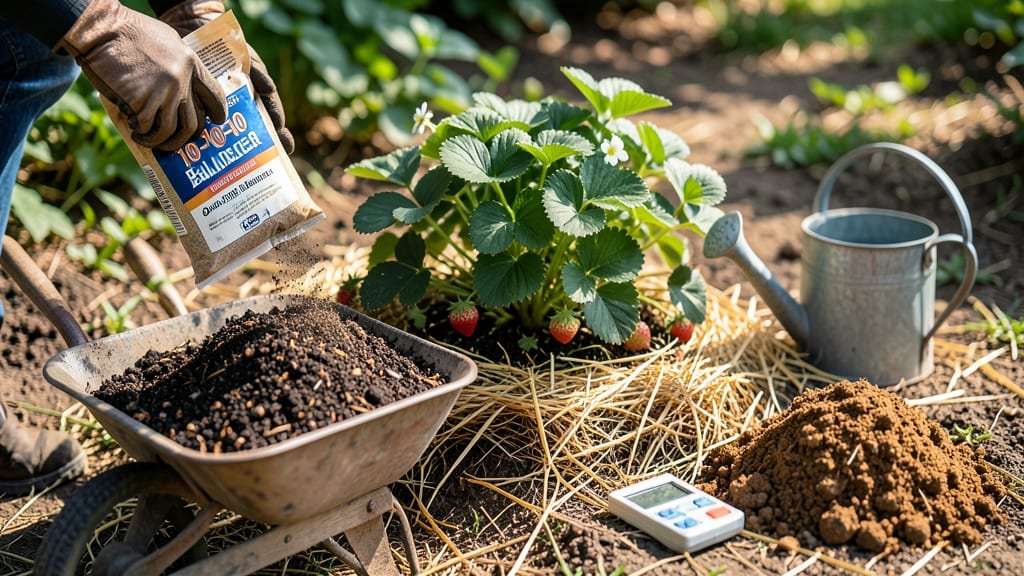
How to get strawberries to grow bigger starts with sunlight, soil, and spacing—three things most gardeners overlook. 🌱 I’ve grown strawberries for years, and the difference between store-bought berries and golf-ball-sized homegrown ones comes down to these basics: full sun, rich soil, and enough room to breathe. Skip one, and you’ll end up with pint-sized fruit no matter how much you water.
The biggest mistake? Crowding plants or skimping on organic matter. Strawberries need at least 6 hours of direct sun daily and soil packed with compost or aged manure. I’ve seen berries triple in size just by amending the soil with worm castings—no fancy fertilizers needed.
And spacing? 18-24 inches apart prevents competition, letting each plant focus energy on fruit instead of leaves.
By summer, you’ll be picking berries so large they barely fit in your hand. The secret’s in the roots: healthy soil means bigger roots, which support bigger fruit. Prune runners ruthlessly in early spring to keep energy flowing to the plants, not the babies.
Overcrowding? That’s how you get tiny, tart berries instead of sweet, juicy giants.
Works in containers, raised beds, or in-ground—just adjust spacing for the growing space. The key is consistency: water deeply once a week (not daily shallow drinks) and watch those berries swell. Here’s how to make it happen without the guesswork.
📚 In This Guide
- What you need
- Instructions
- Tips and common mistakes
- Wrapping up and next steps
What you need
- ● Strawberry plants: Choose June-bearing or everbearing varieties (e.g., 'Chandler,' 'Seascape,' or 'Albion'). Buy 6–12 healthy plants from a nursery or online.
- ● Well-draining soil: A mix of 50% garden soil, 30% compost, and 20% perlite or sand (for looseness). pH should be 5.5–6.8.
- ● Fertilizer: Balanced organic fertilizer (e.g., 10-10-10) – 1–2 tbsp per plant at planting.
- ● High-potassium fertilizer (e.g., 0-10-10) – 1 tbsp per plant during fruiting season.
- ● Mulch: 2–3 inches of straw, pine needles, or shredded leaves to retain moisture and suppress weeds.
- ● Watering can or drip irrigation: Aim for 1–1.5 inches of water per week (more during fruit development).
- ○ Garden stakes or trellis: Optional but helpful for everbearing varieties to support heavy fruit.
- ● Epsom salt: 1 tbsp dissolved in 1 gallon of water (spray foliage monthly for magnesium boost).
- ● Fish emulsion or compost tea: 1–2 tbsp per gallon of water as a liquid fertilizer for extra nutrients.
- ● Row covers or netting: Protects from birds and pests while allowing sunlight.
- ● pH test kit: Ensures your soil is in the ideal range for strawberries.
- ○ Pruning shears: For trimming runners (optional for June-bearing varieties).
Step-by-step instructions for maximizing strawberry growth
Here's how to coax those berries into becoming plump, juicy giants—no fancy tricks, just science-backed care.
☀️ Step 1: Position Plants in Full Sunlight
Strawberries need 6-10 hours of direct sunlight daily to produce large, flavorful fruit. I always place my plants in the sunniest spot available—even 8 hours can work, but you'll sacrifice size. Watch for shadows cast by nearby plants or structures; even partial shade reduces berry development.
If your garden has limited sun, prioritize the most exposed area. You'll notice the biggest berries forming on plants receiving the most consistent sunlight. In containers, rotate pots weekly so all sides get equal exposure—this prevents lopsided growth and ensures even ripening.
🌱 Step 2: Amend Soil with Organic Matter
Strawberries thrive in loose, well-draining soil with a pH between 5.5-6.8. Before planting, mix 2-3 inches of compost into the top 6 inches of soil to improve fertility and drainage. I like to add a handful of aged manure or worm castings for extra nutrients—this gives roots room to spread without compacting.
Test your soil's moisture retention by squeezing a handful—it should hold together but not feel slick. If your soil drains too quickly, add 1 part peat moss to 3 parts garden soil. The goal is soil that holds moisture like a damp sponge, not a waterlogged swamp. Overly dense soil stunts root growth, which directly limits berry size.
💧 Step 3: Water Deeply and Consistently
Strawberries need 1-1.5 inches of water weekly, delivered at the soil level—not overhead. I water in the morning so foliage dries quickly, preventing fungal diseases that weaken plants. Let the top 1-2 inches of soil dry out between waterings; you'll see the largest berries on plants with steady moisture but not soggy roots.
Use a soaker hose or drip irrigation to avoid wetting leaves. When berries begin forming, increase water slightly—2 inches weekly—to support fruit expansion. You'll notice berries growing fastest when the soil stays consistently moist but not waterlogged. Mulching with 2-3 inches of straw helps retain moisture and keeps roots cool.
✂️ Step 4: Prune for Airflow and Energy Focus
Remove any weak or diseased leaves as soon as you spot them—this redirects the plant's energy to fruit production. I also trim back any long, leggy runners unless you're intentionally propagating new plants. The goal is to keep the plant's energy focused on developing fewer, larger berries rather than spreading.
After harvest, cut back old leaves to 1 inch above the crown in late summer. This encourages new growth that will bear fruit the following season. You'll see the biggest berries on plants that aren't overcrowded—space them 18-24 inches apart in rows 3-4 feet apart for optimal airflow and sunlight penetration.
🌿 Step 5: Fertilize Strategically
Feed plants with a balanced fertilizer (10-10-10) in early spring, then switch to a low-nitrogen, high-phosphorus formula (5-10-10) when flowers appear. I avoid high-nitrogen fertilizers after flowering—they promote leafy growth at the expense of fruit size. Apply fertilizer when the soil is moist to prevent root burn.
Organic options like fish emulsion or bone meal work well too. You'll notice the biggest berries forming on plants that receive a mid-season boost of potassium—this strengthens cell walls, helping berries hold more juice. Always follow package instructions for application rates, and never fertilize after late summer to encourage dormancy.
Tips & tricks for maximizing strawberry growth
Here's what nobody tells you about the secret details that turn average strawberries into giants.
Sunlight Strategy: The 6-10 hours of sunlight rule isn't just about duration—it's about consistency. I've seen berries nearly double in size when plants receive uninterrupted morning sun (6 AM to noon) compared to those getting afternoon shade. If your garden has partial shade, prioritize the sunniest hours for maximum growth. For container growers, rotate pots weekly to prevent one-sided exposure that leads to lopsided berries.
Soil Science Secret: That 2-3 inches of compost isn't just about nutrients—it's about creating the perfect air-soil ratio. I take it a step further by adding a handful of perlite to the mix when amending heavy clay soil. This prevents compaction that would otherwise strangle those critical root systems responsible for feeding your giant berries. Think of it as giving your roots room to breathe while they work their magic.
Watering Wisdom: The 1-1.5 inches weekly guideline works perfectly when your soil drains well, but here's the catch: clay soils can hold 30% more water than sandy soils. I test moisture by pushing a finger 2 inches deep—if it's dry, water; if damp, wait. During fruiting, I increase to 2 inches weekly, but always in the morning to prevent fungal issues. The key is maintaining that "damp sponge" texture without ever letting roots sit in water.
Pruning Precision: When you cut back old leaves to 1 inch above the crown, you're not just cleaning up—you're triggering new growth that will produce next year's berries. I make this my late summer ritual, but here's the pro move: leave the largest, healthiest leaves until after harvest. These leaves are still photosynthesizing and feeding those developing berries. Only remove the truly yellowed or diseased ones.
Pro Tips for Get Strawberries To Grow Bigger
- Here's what nobody tells you about the secret details that turn average strawberries into giants.
- Sunlight Strategy: The 6-10 hours of sunlight rule isn't just about duration—it's about consistency.
- Soil Science Secret: That 2-3 inches of compost isn't just about nutrients—it's about creating the perfect air-soil ratio.
Frequently asked questions
Got questions about growing bigger, juicier strawberries? You’re not alone! Here are answers to the most common queries—so you can troubleshoot, time your harvest right, and maximize those sweet berries.
How long does it take for strawberries to grow bigger after I start using these tips?
Patience is key! With proper care—like consistent watering, sunlight, and fertilizer—you’ll often see noticeable size improvements in 4–6 weeks. However, some varieties (especially June-bearing types) may take a full growing season to reach their peak potential. Monitor your plants and adjust care as needed!
Can I get bigger strawberries by harvesting later in the season?
Harvesting later can sometimes yield slightly larger berries, but it depends on your climate and strawberry type. Ever-bearing varieties produce smaller, more frequent berries, while June-bearing types focus on one big harvest. Check ripeness first—overripe berries split and attract pests. Balance timing with flavor and size!
What if my strawberries stay small even after following all the tips?
Small berries could signal a few issues: overcrowding (thin plants), poor soil nutrients (test pH/fertilizer), or disease/pests (inspect leaves). Try spacing plants 12–18 inches apart, adding compost, and using organic sprays if needed. If problems persist, consider switching to a more productive variety like ‘Chandler’ or ‘Seascape.’
Are there any natural ways to boost strawberry size without chemicals?
Skip synthetic fertilizers and try these organic boosters:
- Compost tea or fish emulsion for nutrients.
- Epsom salt (1 tbsp/gallon of water) for magnesium—spray leaves monthly.
- Mulch with straw to retain moisture and regulate soil temp.
- Hand-pollinate with a soft brush if bees are scarce.
Do strawberries grow bigger in hotter or cooler weather?
Strawberries thrive in 60–80°F temps. Too hot (90°F+) causes sunscald or split berries, while cold snaps (below 32°F) stunt growth. Use shade cloth in peak summer or row covers in spring frost. Morning sun + afternoon shade is ideal for balanced growth!
Wrapping up and next steps
Growing bigger, juicier strawberries is totally within your reach—just follow the sunlight, soil, and spacing secrets we’ve shared! With the right balance of nutrients, proper pruning, and a little patience, your strawberry plants will reward you with plump, flavorful berries you’ll be proud of. 🌱
Now that you’re armed with the know-how, it’s time to roll up your sleeves and put these tips into action. Start by assessing your garden today—whether it’s adjusting sunlight exposure, amending soil, or spacing plants just right.
Happy gardening, and get ready for a harvest that’ll make your neighbors jealous! 🍓✨