
Vegetables
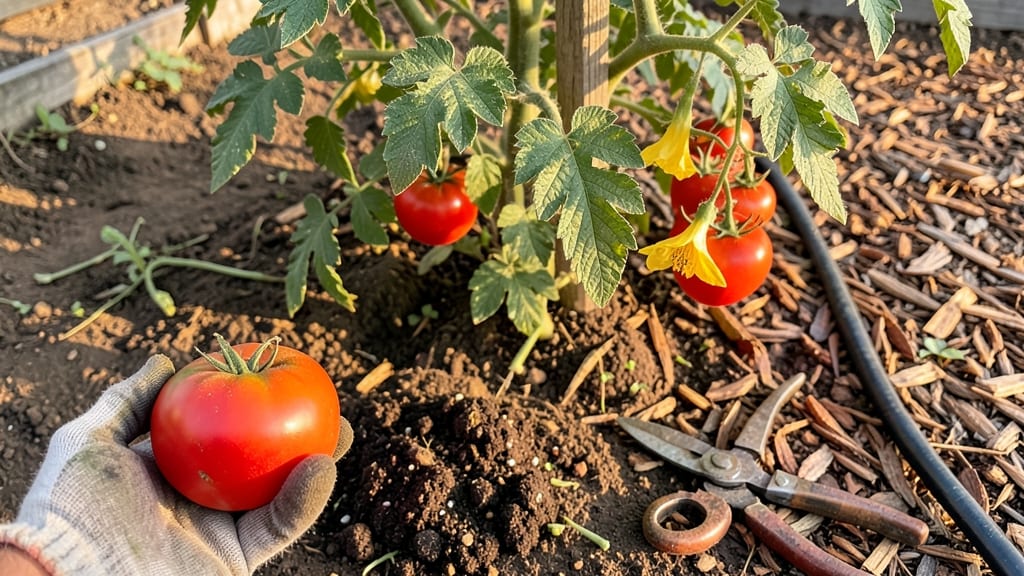
How to increase tomato fruit size could be as simple as two small but powerful tweaks—pruning and pollination. The secret lies in these often-overlooked factors that determine fruit size. I’ve grown tomatoes for years, and the difference between thumb-sized cherries and beefsteak-sized beauties comes down to how you manage the plant’s energy and flowering. Most gardeners focus on soil and water, but pruning directs growth to fewer, larger fruits. Removing suckers (those little shoots in the leaf axils) forces the plant to invest in existing flowers instead of producing more leaves. Combine that with hand-pollination on cloudy days, and you’ll see fruits swell to their genetic potential. My biggest tomato ever weighed in at 1.5 pounds—and it came from a single plant I treated this way. You’ll need sharp pruners, a spray bottle of water for pollination, and patience for the process. The payoff? Jewel-toned, vine-ripened tomatoes so big they make grocery store varieties look like pebbles. This works for heirlooms, slicers, and even cherry tomatoes when done right. Fair warning: it takes about 6-8 weeks of consistent care to see dramatic results, but once you master it, you’ll never go back to small, mealy tomatoes again. Let’s get those fruits growing bigger than ever.
📚 In This Guide
- What you need
- Instructions
- Tips and common mistakes
- Wrapping up and next steps
What you need
- ● Tomato plants: Choose determinate (bush) or indeterminate (vining) varieties like 'Beefsteak,' 'Brandywine,' or 'Sungold' (2–6 plants per gardener, depending on space).
- ● High-quality potting mix or compost: 5–10 gallons (for containers) or 1–2 cubic yards (for in-ground planting). Use a blend with 50% compost for nutrients.
- ● Fertilizer: Balanced fertilizer (10-10-10 or 5-5-5): 1–2 lbs per 100 sq ft (apply at planting and mid-season).
- ● Calcium supplement (e.g., crushed eggshells or calcium nitrate): 1 tbsp per plant weekly (prevents blossom-end rot).
- ○ Potassium-rich fertilizer (e.g., banana peel tea or wood ash): Optional but boosts fruit size!
- ● Pruning tools: Bypass pruners: Sharp, clean pair (sterilize with rubbing alcohol between cuts).
- ● Garden shears or scissors: For finer trimming (avoid dull tools—they crush stems!).
- ● Support structures: Cages (5–6 ft tall): 1–2 per indeterminate plant.
- ● Trellis or stakes (6–8 ft long): 2–3 per plant (use 2–3 inch-wide twine or soft ties).
- ● Pollination aids: Small paintbrush or cotton swab: For hand-pollinating (if indoors or rainy).
- ● Bees or beneficial insects: Encourage with bee-friendly flowers (e.g., marigolds, basil) planted nearby.
- ● Mulch (straw or grass clippings): 2–3 inches thick to retain moisture and suppress weeds.
- ● Drip irrigation kit: For consistent watering (tomatoes hate soggy roots!).
- ● Shade cloth (30–50% coverage): If growing in hot climates (prevents sun scald).
- ● Growth regulators (e.g., gibberellic acid): Use sparingly! Follow label instructions for larger fruit.
- ● Soil test kit: Check pH (aim for 6.0–6.8) and nutrient levels before planting.
Step-by-step guide to growing larger tomato fruits
Here’s how to coax bigger, juicier tomatoes from your plants—no fancy tricks, just proven techniques.
🌱 Step 1: Prune for Stronger Growth and Better Airflow
Start pruning when plants reach 12-18 inches tall, focusing on removing suckers—those small shoots that form in the junction between the main stem and branches. Use clean pruning shears to snip them off at the base. I always prune on a dry morning to reduce disease risk from wet foliage.
Leave only 3-4 main stems for determinate varieties (bush tomatoes) and 1-2 main stems for indeterminate types (vining tomatoes). This redirects energy toward fewer, larger fruits instead of spreading it thin across dozens of small ones. Watch for new suckers weekly—they grow fast in warm weather.
☀️ Step 2: Optimize Sunlight and Watering for Fruit Development
Tomatoes need 6-8 hours of direct sunlight daily for proper fruit sizing. If your plants aren’t getting enough, move them to a sunnier spot or use a reflective surface (like white plastic or aluminum foil) under containers to bounce extra light onto leaves. You’ll see leaves darken and stems thicken when they’re happy.
Water deeply 1-2 times per week, aiming for 1-1.5 inches of water total. Keep soil consistently moist but never soggy—fluctuations cause fruits to split or stay stunted. Mulch around plants with 2-3 inches of organic matter (like straw or grass clippings) to retain moisture and prevent soil-borne diseases that stress the plant.
💧 Step 3: Hand-Pollinate for Consistent Fruit Set
If your tomatoes aren’t setting fruit despite flowers blooming, they may need help pollinating. On dry, calm mornings, gently shake the plant or use a small paintbrush to transfer pollen from one flower’s anthers to another’s stigma. Do this every 2-3 days during peak blooming—you’ll know it’s working when flowers drop and tiny fruits begin swelling.
For larger varieties like beefsteaks, remove all but 4-6 flowers per cluster when they’re still small. This gives the remaining fruits more nutrients to grow big. Thin clusters early to avoid overcrowding, which leads to misshapen or undersized tomatoes.
✂️ Step 4: Remove Overripe and Damaged Fruit to Extend Harvest
As fruits ripen, keep an eye out for cracked, diseased, or overly ripe tomatoes—remove them immediately. These compete for nutrients and can spread rot or pests to healthy fruit. Use pruners to cut stems cleanly, leaving a small portion of the stem attached to the plant.
For indeterminate varieties, also prune back any overly vigorous side shoots that form after the main fruit clusters. This keeps the plant’s energy focused on the existing fruits rather than producing new growth. You’ll notice a difference in size within 2-3 weeks of consistent pruning and thinning.
🌿 Step 5: Fertilize Strategically for Bigger Fruits
Switch to a low-nitrogen, high-phosphorus fertilizer (like a 5-10-10 blend) when flowers appear. Phosphorus encourages root and fruit development, while too much nitrogen leads to leafy growth at the expense of fruit size. Apply fertilizer every 3-4 weeks during the growing season, following label instructions.
Add a balanced liquid fertilizer (like fish emulsion or compost tea) every 2 weeks once fruits start forming. You’ll see thicker stems and heavier fruit sets as a sign it’s working. Avoid fertilizing late in the season—it can lead to late-season growth that won’t ripen before frost.
Tips & tricks for maximizing tomato fruit size
These simple yet game-changing strategies will help you coax those tomatoes into reaching their full potential.
Pruning Precision: When pruning indeterminate varieties, I always keep just one main stem and remove all suckers below the first flower cluster—this directs all energy upward where it matters most. For determinate bushes, focus on removing outward-growing suckers to improve airflow. The key is to prune aggressively but not so much that you stress the plant. Watch for yellowing leaves or stunted growth as signs you're overdoing it.
Light Exposure Secrets: The 6-8 hours of direct sunlight requirement is non-negotiable for big tomatoes. I've found that rotating container-grown plants weekly ensures even sun exposure all around. If your tomatoes stay small and pale, they're not getting enough light—this is your cue to move them to a sunnier spot or supplement with grow lights. Darker green leaves and faster ripening are your success indicators.
Watering Wisdom: That 1-1.5 inches of water per week needs to go deep, not just surface-level. I use a soaker hose to deliver water directly to the base while keeping leaves dry—this prevents fungal diseases that can ruin your harvest. Mulching with 2-3 inches of straw helps maintain consistent moisture levels, which prevents blossom-end rot and cracked fruit. Check soil moisture by sticking your finger 1 inch deep—if it's dry, water thoroughly.
Pollination Hack: On cloudy days or when bees are scarce, I take a small paintbrush and gently tap each flower cluster to release pollen in the morning when flowers are fully open. This simple step is especially critical for large varieties like Beefsteak or Brandywine. Watch for small green fruits forming within 7-10 days after pollination—this confirms your hand-pollination worked!
Pro Tips for Increase Tomato Fruit Size
- These simple yet game-changing strategies will help you coax those tomatoes into reaching their full potential.
- Pruning Precision: When pruning indeterminate varieties, I always keep just one main stem and remove all suckers below the first flower cluster—this directs all energy upward where it matters most.
- Light Exposure Secrets: The 6-8 hours of direct sunlight requirement is non-negotiable for big tomatoes.
Frequently asked questions
Got questions about growing juicier, larger tomatoes? You’re not alone! Here are answers to the most common concerns—so you can troubleshoot and optimize your harvest like a pro.
When is the best time to prune my tomato plants for bigger fruit?
Prune indeterminate tomatoes (like heirlooms) early and often—start when plants are 12–18 inches tall, removing suckers (side shoots) to redirect energy to fruit growth. For determinate varieties (bush tomatoes), prune lightly to improve airflow, but avoid heavy pruning after flowering. Timing tip: Prune in the morning to let wounds heal before evening moisture sets in.
How long does it take to see results from pruning and pollination tricks?
Results vary, but with consistent care, you’ll notice larger tomatoes in 4–6 weeks. Pruning boosts fruit size immediately by reducing competition, while hand-pollination (or attracting bees) speeds up fruit set. Patience pays off: Tomatoes need 2–3 months from flower to ripe fruit, so start early!
What if my tomatoes are still small even after pollinating them?
Small tomatoes often stem from poor pollination, overcrowding, or nutrient deficiencies. Double-check:
- Pollination: Gently shake plants or use a paintbrush to transfer pollen.
- Space: Ensure plants have 18–24 inches of space (or trellis them).
- Nutrients: Add compost or a balanced fertilizer (like 5-5-5) at flowering.
- Water: Keep soil moist but not soggy—stress = tiny fruit!
Can I use the same tricks for cherry tomatoes?
Cherry tomatoes love the same techniques—prune suckers to focus energy, hand-pollinate if bees are scarce, and ensure full sun (6+ hours). However, skip heavy pruning if you want more clusters; cherry tomatoes thrive with a bushier shape. Pro tip: Train vines vertically to maximize sunlight exposure for sweeter, plumper fruit.
Why are my tomatoes cracking even after following these tips?
Cracking usually means uneven watering—soak soil deeply 1–2 times/week, then let it dry slightly between waterings. Avoid wetting leaves (to prevent disease) and mulch to retain moisture. If cracks are shallow, the tomato is still edible; deep cracks may signal blossom-end rot (add calcium-rich fertilizer like eggshell tea).
Wrapping up and next steps
Growing larger, juicier tomatoes is totally within your reach—it just takes a little patience, the right techniques, and a dash of love for your plants! 🌱 By mastering pruning (to redirect energy), optimizing pollination (for better fruit set), and fine-tuning your garden conditions, you’ll soon be harvesting tomatoes that steal the show.
Remember, every gardener starts somewhere, so don’t be discouraged if results take time.
Ready to take your tomato game to the next level? Start small: pick one technique—like hand-pollinating or pruning suckers—and experiment with it this season. Track your progress, tweak as needed, and before you know it, you’ll be the proud grower of showstopper tomatoes! 🍅✨