
Propagation
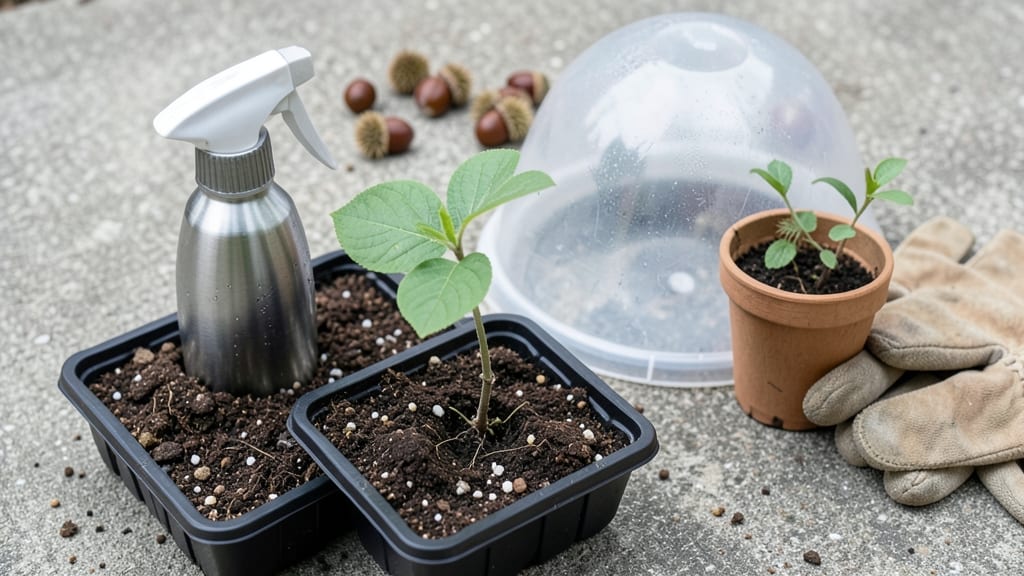
How to grow beech trees from seed means planting future forest giants in your backyard. 🌱 The process starts with collecting seeds in late summer or early fall, but don’t rush—these trees demand patience, with germination taking up to three years under ideal conditions.
You’ll need a cool, moist environment to mimic their natural forest floor habitat. After collecting seeds, store them in a damp, sandy mix in the fridge for 6-12 months—this cold stratification tricks them into thinking winter has passed.
Most gardeners skip this step and end up waiting years for sprouts.
Once germinated, tiny seedlings need consistent moisture and partial shade. They’ll grow just 1-2 inches their first year, but with proper care, you’ll watch them develop into sturdy saplings ready for transplanting in 3-5 years. The reward? A shade tree that’ll outlive you.
This method works best for home gardeners in zones 4-8, where beech trees thrive. Just be ready for slow progress—every inch counts when you’re growing a future forest in your own yard.
📚 In This Guide
- What you need
- Instructions
- Tips and common mistakes
- Wrapping up and next steps
What you need
- ● Fresh beech seeds: Collect 10–20 seeds from mature, healthy beech trees (preferably in fall). Ensure they’re not too dry or shriveled.
- ● Seed tray or small pots: 4–6 inch (10–15 cm) pots with drainage holes, or a seed tray with individual cells (quantities depend on seed count).
- ● Well-draining potting mix: A blend of 50% peat moss or coconut coir, 30% perlite or vermiculite, and 20% sand (sterilized). Avoid garden soil—it’s too dense!
- ● Plastic wrap or humidity dome: To maintain moisture during germination (clear plastic wrap works in a pinch!).
- ● Spray bottle: For gentle watering (avoid soaking the seeds).
- ● Patience (and a warm spot!): Beech seeds need stratification (cold treatment) for 3–6 months—plan ahead!
- ● Stratification fridge: A refrigerator with a crisper drawer (set to 34–40°F / 1–4°C) to mimic winter conditions.
- ● Grow lights or sunny windowsill: Beech seedlings thrive in bright, indirect light (12+ hours/day).
- ● Fertilizer (low-dose): A balanced, water-soluble fertilizer (5-5-5 or 10-10-10) diluted to half-strength for young seedlings.
- ● Labeling tags: To track planting dates and seed sources (trust us, it helps!).
- ● Outdoor hardening tray: A shallow container for gradually acclimating seedlings to outdoor conditions.
Step-by-Step instructions for growing beech trees from seed
Beech trees demand time, but these steps turn patience into a thriving forest floor legacy.
🌱 Step 1: Collect and Prepare the Seeds
Harvest beech seeds in late fall when the spiny husks turn brown and open naturally. I like to gather them from mature trees after the first frost—this ensures full ripeness. Remove the seeds from their husks by gently rolling them between your palms or tapping them on a hard surface. Store the clean seeds in a paper bag (not plastic) in a cool, dry place until spring planting.
Beech seeds have a hard outer shell that requires stratification to break dormancy. Mix the seeds with a moistened peat moss or sand in a sealed container. Place the container in the refrigerator for 3-4 months—this mimics winter conditions and triggers germination. Check periodically to ensure the mix stays damp but not soggy.
💧 Step 2: Sow the Stratified Seeds
After stratification, plant the seeds in individual 3-inch pots filled with a light, well-draining potting mix. Press each seed ½ inch deep into the soil—too shallow and they won’t anchor properly; too deep and they’ll struggle to emerge. Water gently until the soil is evenly moist, but avoid oversaturating, which can cause rot.
Place the pots in a warm, shaded location (around 65-70°F) until germination. Beech seeds can take 4-6 weeks to sprout—patience is key. Cover the pots with a clear plastic dome or wrap to retain humidity, but remove it daily for 10 minutes to prevent mold. You’ll know moisture is right when the soil surface looks slightly damp but not glistening.
☀️ Step 3: Transplant and Provide Long-Term Care
Once seedlings develop 2-3 true leaves (not just the initial cotyledons), transplant them into 5-gallon containers with a rich, loamy soil mix. Beech trees thrive in well-draining but moisture-retentive soil—amend the mix with compost for nutrients. Place the pots in partial shade for their first year, gradually introducing more sunlight as they mature.
Water deeply once a week during the growing season, ensuring the soil stays consistently moist but never waterlogged. Beech trees are sensitive to drought stress, so monitor the top 2 inches of soil—it should feel slightly dry before watering again. In their second and third years, fertilize lightly in early spring with a balanced, slow-release fertilizer to encourage steady growth.
⏰ Step 4: Acclimate and Plant Outdoors
By the time your seedlings are 3 years old, they’ll be ready for permanent outdoor planting. Choose a location with partial to full shade and well-draining soil—beech trees dislike competition and perform best with space to spread. Dig a hole twice as wide as the root ball but no deeper, then gently place the seedling in and backfill with native soil.
Water thoroughly after planting to settle the soil around the roots, then mulch with 2-3 inches of organic mulch to retain moisture and regulate temperature. Avoid disturbing the roots during the first growing season—beech trees establish slowly but reward long-term care with striking foliage and sturdy growth. Real talk: the first few years are about watching, not rushing.
Tips & tricks for growing beech trees from seed
Growing beech trees from seed is a marathon, not a sprint—these insights will help you navigate the journey with confidence.
Timing is Everything: For Step 1, harvest seeds only after the first frost when husks naturally open. I learned this the hard way after planting premature seeds that never germinated. The frost signals full ripeness, and seeds collected too early may not break dormancy properly. Store them in paper bags (not plastic) to prevent moisture buildup, which can cause mold during winter storage.
Stratification Success: The 3-4 month refrigerator period in Step 1 is non-negotiable for breaking dormancy. I recommend using a mix of moistened peat moss and sand (equal parts) for optimal results. Place a small hole in the container lid for airflow—this prevents condensation buildup that could lead to rot. Check moisture weekly by lifting the container; it should feel like a damp sponge, not a soggy washcloth.
Germination Environment: In Step 2, maintain that 65-70°F warm, shaded location religiously. I've found that placing pots on a heat mat set to 70°F speeds germination by 1-2 weeks, especially in cooler climates. The daily 10-minute ventilation is crucial—it prevents fungal growth while maintaining humidity. Watch for condensation on the plastic dome; if it's heavy, you're overdoing it on moisture.
Transplanting Wisdom: When moving to 5-gallon containers in Step 3, handle seedlings by their leaves, never the stems. I've seen many gardeners accidentally damage the delicate root systems during this transition. Use a well-draining loamy mix with compost—this provides the perfect balance of nutrients and aeration. After transplanting, water thoroughly but avoid creating a puddle; beech seedlings hate soggy roots.
Pro Tips for Grow Beech Trees From Seed
- Growing beech trees from seed is a marathon, not a sprint—these insights will help you navigate the journey with confidence.
- Timing is Everything: For Step 1, harvest seeds only after the first frost when husks naturally open.
- Stratification Success: The 3-4 month refrigerator period in Step 1 is non-negotiable for breaking dormancy.
Frequently asked questions
Growing beech trees from seed is rewarding but comes with unique challenges. Here are answers to some of the most common questions to help you navigate the process with confidence!
How long does it take for beech tree seeds to germinate?
Beech seeds can take anywhere from 3 months to 2 years to germinate—patience is key! Cold stratification (mimicking winter) speeds this up. Store seeds in a damp, chilled medium (like peat moss) for 6–12 months before planting. Don’t rush it; nature’s timing is perfect!
Can I plant beech seeds directly in the ground?
While possible, direct sowing outdoors is risky due to slow germination and potential rodent damage. For best results, start seeds indoors in pots or a controlled nursery bed. Once seedlings are 6–12 inches tall (usually after 1–2 years), transplant them to their permanent spot in well-drained soil.
What’s the best way to break beech seed dormancy?
Beech seeds have hard seed coats, so scarification (scratching or soaking) helps. Try these methods:
Common culprits include:
If you’re eager for quicker results, consider these fast-growing shade trees:
Beech trees are slow but worth the wait for their stunning foliage and timber!
Combine methods for higher success rates!
Why aren’t my beech seeds sprouting?
If all else fails, try sourcing new seeds from a reputable supplier.
Are there faster-growing alternatives to beech trees?
Tree Type
Growth Rate (Annual)
Height at Maturity
Silver Maple
3–5 feet
50–75 feet
Eastern White Pine
1–2 feet
50–80 feet
Hybrid Poplar
5–8 feet
40–60 feet
Wrapping up and next steps
Growing beech trees from seed is a rewarding journey that blends patience with the joy of nurturing nature’s grandest creations. 🌱 From gathering fresh seeds to transplanting sturdy seedlings, each step builds the foundation for a majestic forest giant. Embrace the process—your dedication will soon be rewarded with towering, shade-providing beauty!
Ready to take the next step? Start small—plant a few seeds this season and watch your forest grow! For extra guidance, explore local gardening forums or consult a forestry expert to refine your technique. Happy planting! 🌳✨