
Propagation
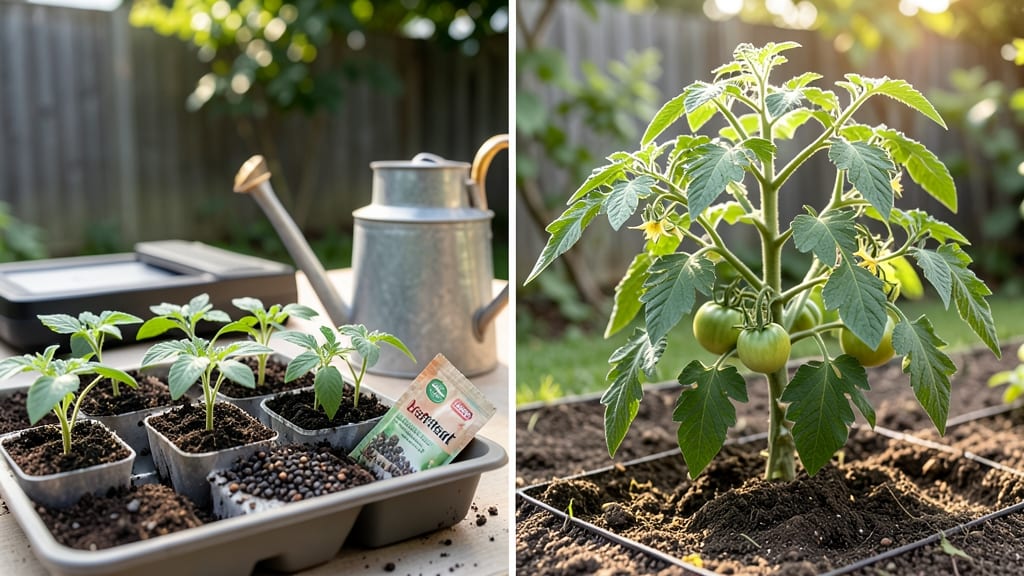
How to grow beefsteak tomatoes from seed means juicy slices straight from your garden—no store-bought compromise. 🌱 I’ve grown heirlooms for years, and the first time I tasted a homegrown beefsteak still warm from the vine, I was hooked. These giants need patience but reward you with pound-sized fruits that burst with flavor. The secret starts indoors 6-8 weeks before your last frost, where warm soil and bright light coax tiny seeds into sturdy seedlings. Most beginners struggle with damping-off or leggy sprouts—we’ll fix that with simple adjustments like proper spacing and humidity control. Once outdoors, beefsteaks thrive with strong support (think 6-foot cages or stakes) and regular pruning to channel energy into fruit, not foliage. By midsummer, you’ll be harvesting tomatoes so big they’ll make neighbors jealous. The key? Consistent watering, organic fertilizer, and protecting them from pests like hornworms. I’ll show you exactly how to avoid the most common pitfalls—so your first harvest lives up to the hype. This method works for any climate (adjust timing for shorter seasons) and scales from containers to full garden beds. Ready to grow tomatoes that taste like summer in every bite?
📚 In This Guide
- What you need
- Instructions
- Tips and common mistakes
- Wrapping up and next steps
What you need
- ● Beefsteak tomato seeds – 3–5 seeds per plant (or more if you’re experimenting!)
- ● Seed-starting mix – A lightweight, sterile mix (avoid garden soil—it’s too dense!)
- ● Seed trays or small pots – 2–3 inches deep (biodegradable pots work great!)
- ● Grow lights or a sunny windowsill – 6–8 hours of light daily (south-facing is ideal!)
- ● Spray bottle – For gentle watering (no drowning those tiny seeds!)
- ○ Heat mat (optional but helpful) – Keeps soil warm (70–80°F for faster germination)
- ● Fertilizer (balanced or tomato-specific) – Start with a diluted solution (5-10-5 or similar)
- ● Transplanting pots or garden space – 5-gallon containers or well-drained soil (tomatoes love room to stretch!)
- ● Plant labels – To track varieties (especially if growing multiple types!)
- ● Pruning shears – For shaping plants as they grow
- ● Cage or trellis – Supports heavy beefsteaks (4–6 feet tall!)
- ● Mulch – Retains moisture and keeps soil cool (straw or shredded leaves work well)
- ● pH test kit – Tomatoes thrive in slightly acidic soil (6.2–6.8 pH)
Step-by-Step instructions for growing beefsteak tomatoes from seed
Here's how I grow beefsteak tomatoes that burst with flavor—starting from tiny seeds and ending with 8-ounce giants on the vine.
🌱 Step 1: Start Seeds Indoors 6-8 Weeks Before Last Frost
Fill 2-3 inch deep seedling trays with sterile seed-starting mix (never garden soil—it's too dense and may harbor diseases). I press the mix down lightly to create a firm, even surface, then water until moist but not soggy. The goal is dampness that holds together when squeezed but doesn't drip.
Sow 2-3 seeds per cell at a depth of ¼ inch—about the width of a pencil eraser. Planting too deep delays germination because the seedling must push through more soil. Cover with a fine layer of additional mix, then mist gently with water until the surface is evenly damp. I label each cell with the variety name and date—after 6 weeks, identical seedlings can look confusing!
💧 Step 2: Provide Warmth and Humidity for Germination
Cover the tray with a clear plastic dome or plastic wrap to retain warmth and moisture. Beefsteak tomatoes germinate best at 75-85°F. A seedling heat mat keeps the soil 10°F warmer than room temperature and speeds up germination to 5-10 days. Without extra warmth, expect germination to take 2-3 weeks.
Check daily but resist watering—condensation inside the dome provides enough moisture. Once 50% of seeds have sprouted, remove the dome immediately. Leaving it on too long creates a damp, humid environment that invites damping-off disease, which collapses stems overnight. You'll see healthy seedlings with plump, green cotyledons (the first true leaves) within a week.
☀️ Step 3: Move to Bright Light Immediately After Germination
The instant seedlings emerge, they need 14-16 hours of light daily. A south-facing window rarely provides enough intensity, so I use a full-spectrum LED grow light positioned 2-4 inches above the plants. Raise the light as they grow to maintain that distance—too close will scorch delicate leaves.
Without sufficient light, seedlings stretch toward the source (called "legginess") and develop weak stems. You'll know your light is right when seedlings have thick stems, dark green leaves, and compact spacing between leaves. Rotate the tray a quarter turn daily so plants grow straight instead of leaning.
✂️ Step 4: Thin and Harden Off Before Transplanting
When seedlings show their first true leaves (the second set after cotyledons), thin to the strongest plant per cell. Use scissors to snip weak seedlings at soil level—pulling risks disturbing roots. Water deeply after thinning to help remaining plants establish.
Two weeks before your last frost date, start hardening off by placing seedlings outside in a sheltered, shaded spot for 1-2 hours the first day. Gradually increase outdoor time by 1 hour daily over 10-14 days, introducing more sun and wind. You'll see leaves toughen and stems strengthen—signs they're ready for the garden.
🪴 Step 5: Transplant to the Garden After All Frost Risk Passes
Choose a sunny spot with 6-8 hours of direct sun and well-draining soil. Dig holes twice as wide as the root ball and space plants 2-3 feet apart—beefsteaks need room to sprawl. Plant deeply, burying ⅔ of the stem to encourage strong root growth. Water deeply at the base to settle soil around roots.
Mulch with 2-3 inches of organic mulch (like straw or shredded leaves) to retain moisture and suppress weeds. Avoid overhead watering—it spreads disease. Instead, water at the base 1-2 inches deep weekly, letting soil dry slightly between waterings. You'll see new leaves emerge within 7-10 days, signaling successful transplanting.
Tips & tricks for growing beefsteak tomatoes from seed
Here's what nobody tells you—these are the secrets that separate good tomato plants from showstopping beefsteaks.
Soil Preparation: The sterile seed-starting mix in Step 1 is non-negotiable—garden soil contains pathogens that can kill delicate seedlings. For extra insurance, I microwave my seed-starting mix for 2 minutes to sterilize it further before planting. This eliminates any hidden fungal spores that could cause damping-off later. The firm surface you create helps tiny roots establish immediately instead of floating in loose soil.
Lighting Strategy: In Step 3, those 14-16 hours of light are critical, but timing matters just as much. I set my grow light on a timer that turns on at 6 AM and off at 8 PM, mimicking natural daylight. The 2-4 inch distance is a starting point—adjust based on leaf color. If leaves turn yellowish or stretch toward the light, you need more distance. If they look burned or crispy, lower the light immediately.
Harden Off Gradually: The 10-14 day hardening process in Step 4 is where most beginners rush and regret it. I start with just 1-2 hours in partial shade, then increase by 1 hour daily. The key is to introduce both sun AND wind—place seedlings where they'll experience gentle breezes. You'll notice leaves develop a tougher texture and stems thicken noticeably by day 7 of hardening. This preparation prevents transplant shock that can stunt growth for weeks.
Transplanting Technique: When you bury ⅔ of the stem in Step 5, you're not just following tradition—you're encouraging root growth along the buried stem. I make small cuts (about ¼ inch deep) along the buried portion with a clean knife before planting. These cuts create additional root nodes that will develop into strong roots. Water immediately after transplanting, but don't overdo it—the goal is to settle soil around roots, not create soggy conditions.
Pro Tips for Grow Beefsteak Tomatoes From Seed
- Here's what nobody tells you—these are the secrets that separate good tomato plants from showstopping beefsteaks.
- Soil Preparation: The sterile seed-starting mix in Step 1 is non-negotiable—garden soil contains pathogens that can kill delicate seedlings.
- Lighting Strategy: In Step 3, those 14-16 hours of light are critical, but timing matters just as much.
Frequently asked questions
Got questions about growing beefsteak tomatoes from seed?
You’re not alone—this juicy journey can raise a few! Here are answers to the most common curiosities to keep your plants thriving and your harvests bountiful.
How long does it take for beefsteak tomato seeds to germinate?
Beefsteak tomato seeds typically sprout within 7–14 days after planting, depending on temperature and moisture. Keep the soil warm (around 70–80°F) and consistently damp (not soggy) to speed up germination. Patience is key—some seeds may take up to 3 weeks!
When is the best time to start seeds indoors vs. outdoors?
Start seeds 6–8 weeks before your last frost date indoors under grow lights or in a sunny window. Transplant seedlings outdoors 2–3 weeks after the last frost when soil temps hit 55°F+. Beefsteaks need warmth, so don’t rush—cool soil can stunt growth!
Why are my beefsteak tomato seedlings leggy or weak?
Leggy seedlings usually mean too little light or overcrowding. Move them closer to a bright window (or under grow lights) and thin seedlings to 2 inches apart. If they’re already stretched, bury them deeper when transplanting—the buried stem will root and strengthen the plant!
Can I grow beefsteak tomatoes in containers, or do they need a garden bed?
Beefsteaks thrive in 5-gallon+ containers with good drainage. Use a high-quality potting mix and support them with a sturdy cage or trellis (they can get heavy!). Just ensure the pot stays moist and fertilize regularly—container-grown tomatoes need extra nutrients!
What’s the best way to prevent pests like hornworms or aphids?
Stay proactive! Handpick hornworms (they’re easy to spot—green with white stripes!) and drop them in soapy water. For aphids, spray with neem oil or insecticidal soap. Encourage beneficial insects like ladybugs and use row covers early to deter pests before they become a problem.
How do I protect beefsteak tomatoes from late-season frost?
If frost is forecasted, cover plants with frost cloth or row covers at night. For extra protection, mulch heavily and use cloche bells over individual plants. If temps drop below 32°F, harvest ripe tomatoes immediately—they’ll ripen indoors at room temp!
Wrapping up and next steps
Growing beefsteak tomatoes from seed is a rewarding journey that leads to bursting, sun-ripened treasures right in your backyard! With patience, the right tools, and a little love, you’ll soon be savoring those giant, juicy slices you’ve nurtured from tiny seeds. 🌱✨
Now that you’re armed with knowledge, it’s time to roll up your sleeves and get planting! Start with those seeds, and soon, you’ll be sharing your harvest with family and friends—or simply enjoying the sweet triumph of homegrown goodness. Happy growing! 🍅💚