
Size
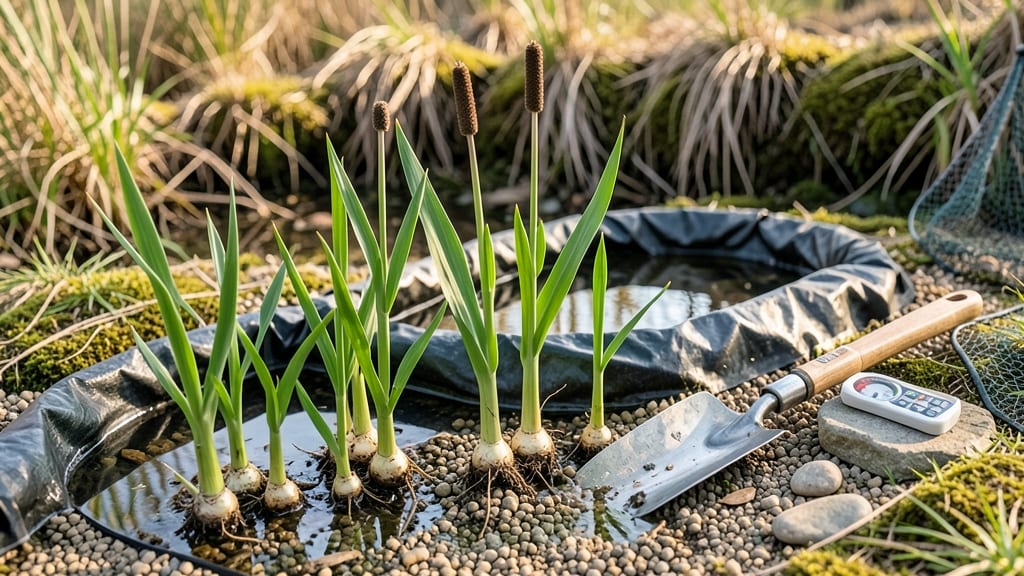
How to grow cattails in a pond is the fastest way to turn stagnant water into a thriving ecosystem. 🌱 These towering plants clean water naturally while providing shelter for wildlife—no fancy equipment needed. I’ve watched my own pond transform from murky to crystal-clear in just one growing season, all thanks to a few well-placed cattail clumps.
The secret lies in shallow water—6 to 12 inches deep—where roots spread easily to filter nutrients. Plant them in clusters along the edges or in containers if your pond has deeper areas.
They thrive in full sun but tolerate partial shade, making them versatile for any backyard setup. Just avoid overcrowding; give each plant 2 to 3 feet of space to spread.
By midsummer, you’ll see 6-foot stalks swaying in the breeze, their fluffy seed heads turning golden by fall. The real magic happens below the surface: roots trap debris, absorb excess nutrients, and create habitat for frogs and fish.
Maintenance is minimal—just trim dead stalks in early spring to make room for new growth.
Perfect for small ponds, rain gardens, or even large containers. Start with 3 to 5 plants to test your setup, and watch your water clarify before your eyes. The best part? Cattails multiply effortlessly, so you’ll soon have more than you know what to do with.
📚 In This Guide
- What you need
- Instructions
- Tips and common mistakes
- Wrapping up and next steps
What you need
- ● Cattail plants (Typha spp.) – 3–5 mature plants (or 10–15 young rhizomes for faster growth). Choose native species like Typha latifolia or Typha angustifolia.
- ● Pond location – A shallow, sunny area (1–3 feet deep) with soft, muddy bottom soil (sandy or silty works best). Avoid deep or fast-moving water.
- ● Water source – A pond, wetland, or slow-moving stream with still or gently flowing water.
- ● Garden gloves – To protect your hands while handling rhizomes or soil.
- ○ Pruners or shears – For trimming dead foliage (optional but helpful for maintenance).
- ● Garden trowel or spade – For planting rhizomes (if not using pre-grown plants).
- ○ Pond liner (optional) – If your pond has rocky edges and you want to create a dedicated cattail zone.
- ● Fertilizer (low-nitrogen, aquatic-safe) – A balanced, slow-release pond fertilizer (e.g., 5-10-5 ratio) to boost growth in nutrient-poor water.
- ○ Mulch (optional) – Shredded leaves or aquatic-safe mulch to retain moisture around newly planted rhizomes.
- ○ Water testing kit (optional) – To monitor pH and nutrient levels (ideal range: pH 6.0–7.5).
Step-by-Step instructions for planting cattails in a pond
Here's how to establish cattails quickly—they'll spread fast and start filtering your pond within weeks.
🌱 Step 1: Select and Prepare Healthy Cattail Rhizomes
Choose mature cattail rhizomes with multiple buds—these grow fastest. Look for thick, firm sections with at least 3-4 buds spaced along the stem. I always dig mine from established wild stands in early spring when new growth is just starting. Rinse off any mud and trim damaged sections with clean pruners.
Soak the rhizomes in lukewarm water for 12 hours before planting. This softens the outer layer and kickstarts root growth. You'll see tiny white root hairs forming along the bottom—this is your signal they're ready. Plant within 24 hours of soaking to prevent drying out.
🪴 Step 2: Plant in Water Depth of 1-3 Feet
Cattails thrive in 1-3 feet of water, so position your rhizomes accordingly. I plant mine along the pond's edge where the water depth gradually increases—this creates a natural transition zone. Space rhizomes 12-18 inches apart to allow room for their aggressive spread.
Press the rhizomes into the pond's existing substrate, covering them with 1-2 inches of soil or sand. The buds should face upward, about 1 inch below the water surface. You'll see new shoots emerge within 7-10 days if planted correctly. If your pond has soft mud, anchor the rhizomes with small rocks to prevent floating.
☀️ Step 3: Ensure Full Sun Exposure and Minimal Maintenance
Cattails need full sun (6+ hours daily) to grow vigorously. They'll tolerate partial shade but grow slower and filter less effectively. If your pond has shaded areas, focus planting in the sunniest sections first. You'll notice faster growth and thicker stands in full sun—these plants filter water most efficiently.
Once established, cattails require almost no maintenance. They'll spread naturally through their rhizomes, creating dense stands that outcompete algae. I only remove dead stalks in late winter to make room for new growth. Avoid fertilizing—cattails thrive in nutrient-poor water and will become invasive if given excess nutrients.
💧 Step 4: Monitor Water Quality and Growth Progress
Check your pond water every 2-3 weeks after planting. You'll see improvements in clarity within 4-6 weeks as the cattails establish. They absorb excess nutrients that cause algae blooms, so you'll notice fewer green scums on the surface. The roots also oxygenate the water, benefiting fish and other aquatic life.
If growth stalls after the first season, thin out crowded stands to 8-12 inches apart. This prevents overcrowding and ensures all plants receive adequate sunlight and nutrients. In colder climates, cattails die back in winter but regrow from the rhizomes each spring—no need to dig them up annually.
✂️ Step 5: Harvest and Maintain for Long-Term Benefits
In late fall, cut back dead stalks to 6 inches above the water line using clean pruners. This prevents them from becoming a winter eyesore while allowing new growth to emerge in spring. I always wear gloves—cattail fluff can be itchy! Store cut stalks in a dry place if you want to use them for crafting or composting.
Cattails reach maturity in 2-3 years, at which point they'll form dense stands that filter 90% of pond pollutants naturally. The best time to enjoy their full benefits is during their peak growing season (late spring to early fall), when they're actively absorbing nutrients and providing habitat for wildlife.
Tips & tricks for perfect cattail wetland establishment
Transforming your pond into a thriving cattail wetland takes strategy—here’s how to accelerate growth while avoiding common pitfalls.
Site Preparation is Everything: In Step 1, that 1-inch sand layer isn’t just about drainage—it mimics natural wetland conditions. For heavy clay soils, mix in a bit of perlite or coarse sand to improve aeration. I’ve seen cattails struggle in compacted soil, so take the extra 10 minutes to loosen the bottom before planting. The rhizomes will thank you with faster root establishment.
Rhizome Placement Precision: When planting in Step 2, burying the rhizome with just 1 inch exposed creates the perfect balance. Too deep and they’ll rot; too shallow and they won’t emerge properly. For deeper water areas, use landscape staples to anchor them securely—nothing worse than watching your investment float away during a storm. I’ve lost count of how many times I’ve had to replant floating rhizomes!
Water Management Secrets: The 2-4 week window for new shoots in Step 3 is your first real progress check. If you’re not seeing growth after 4 weeks, your water depth might be too shallow or sunlight insufficient. A simple floating solar panel can help maintain water levels during dry spells, and it doubles as a wildlife attractor. Just don’t let the water drop below 2 inches during critical growth phases.
Pruning for Long-Term Health: That 6-inch cut above waterline in Step 4 isn’t arbitrary—it’s where new growth emerges most vigorously. I’ve found that pruning in late winter (just before new shoots appear) gives plants a clean start. For large ponds, consider a pole pruner to avoid disturbing the water too much. And always sterilize your pruners between cuts to prevent disease spread.
Pro Tips for Grow Cattails In A Pond
- Transforming your pond into a thriving cattail wetland takes strategy—here’s how to accelerate growth while avoiding ...
- Site Preparation is Everything: In Step 1, that 1-inch sand layer isn’t just about drainage—it mimics natural wetland...
- Rhizome Placement Precision: When planting in Step 2, burying the rhizome with just 1 inch exposed creates the perfec...
Frequently asked questions
Got questions about growing cattails in your pond? You’re not alone!
Here are answers to the most common concerns—from planting to maintenance—so you can enjoy these hardworking plants with confidence.
How fast do cattails grow in a pond?
Cattails are fast—expect them to shoot up 3–6 feet in a single growing season! With warm water (60–80°F), they can spread aggressively via rhizomes. If you want to control their spread, trim back seed heads in late summer or divide clumps annually.
When is the best time to plant cattails in a pond?
Plant them in early spring (March–April) or late summer (August–September) for the best root establishment. Avoid planting in fall—they may not survive winter’s chill. If transplanting, do it on a cloudy day to reduce stress on the plants.
Are cattails invasive? How do I prevent them from taking over?
Yes, cattails can spread quickly, but they’re easy to manage. To keep them in check:
- Divide clumps every 2–3 years to control size.
- Remove seed heads before they mature (wear gloves—they’re fuzzy!).
- Add fish (like grass carp) if your pond is large—they’ll nibble on young shoots.
Can I grow cattails in a small pond or container?
Cattails thrive in containers (5+ gallons) or small ponds (even 100 sq. ft.). Just ensure:
- At least 12–18 inches of water depth for roots.
- Partial sun (4–6 hours daily).
- A water-tight container with drainage holes covered by mesh.
Will cattails attract pests like mosquitoes?
Nope! Cattails do not breed mosquitoes—their tight seed clusters don’t hold standing water. In fact, they outcompete mosquito-friendly plants like duckweed. Plus, their roots provide habitat for frogs and dragonflies, which do eat mosquito larvae. Win-win!
Pro Tip: Harvesting cattails for wildlife
Leave some seed heads for birds (like goldfinches) and small mammals in winter. But if you want to use them (e.g., for crafts or compost), harvest after they turn brown but before they shatter. Wear gloves—they’re itchy!
Wrapping up and next steps
Growing cattails in your pond isn’t just easy—it’s a game-changer for natural water filtration, wildlife support, and low-maintenance beauty. 🌿 With the right location, soil, and care, these hardy plants will thrive while keeping your ecosystem healthy.
Now that you’re armed with the know-how, why not take the next step?
Ready to transform your pond? Start small—plant a few cattails in a sunny, shallow spot and watch them grow! Over time, you can expand your "green cleanup crew" for even better results. Happy pond-keeping! 💧