
Size
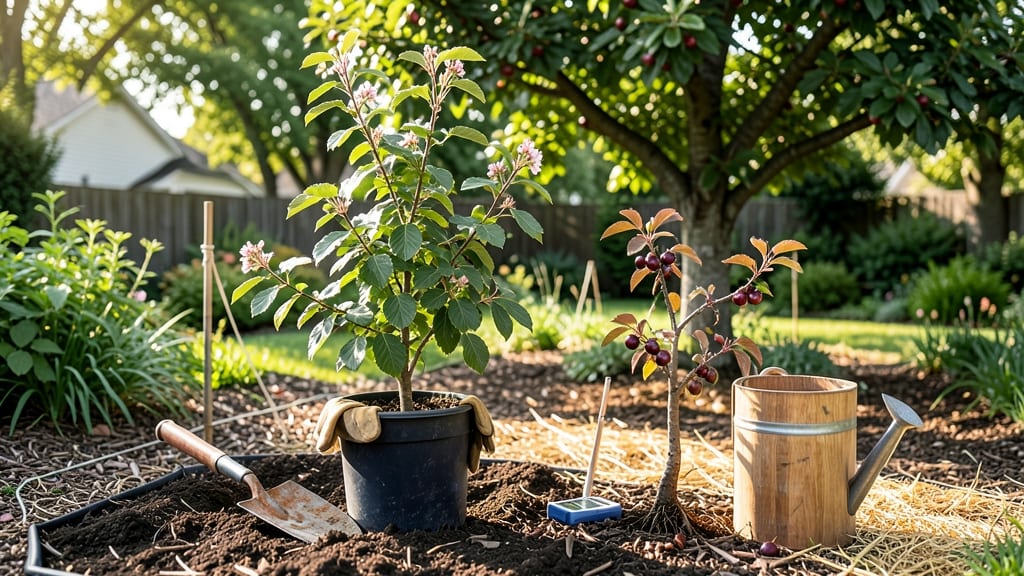
How to grow cherries at home—it starts with your first homegrown cherry tree, just three years away. 🌱 I planted my first dwarf cherry last spring, and while it won’t bear fruit until next year, the anticipation of those sweet, juicy bites makes every pruning session worth it. The key to success starts with the right variety—dwarf trees like 'Stella' or 'Balaton' fit small yards, while standard trees need space and patience. You’ll also need well-draining soil, a sunny spot (at least 6 hours of light), and a partner tree for cross-pollination if growing sweet cherries. By year five, you’ll be harvesting clusters of vibrant red or deep purple fruit, perfect for pies, snacks, or sharing with neighbors. The trees thrive in zones 5-9, but early spring frost can be tricky—choose late-blooming varieties to avoid damage. Pests and birds are the biggest challenges, but netting and proper pruning keep them at bay. Here’s how to set yours up for success from day one!
📚 In This Guide
- What you need
- Instructions
- Tips and common mistakes
- Wrapping up and next steps
What you need
- ● Cherry Tree or Bush: 1 dwarf variety (e.g., 'Stella,' 'Montmorency,' or 'Black Tartarian') for containers or small spaces (6–10 ft tall).
- ● 1 standard variety (e.g., 'Bing,' 'Rainier,' or 'Lapins') for in-ground planting (15–25 ft tall). Note: Some varieties require cross-pollination—check labels!
- ● Well-draining Soil: 50 lbs garden soil (or a mix of 60% topsoil, 30% compost, and 10% perlite/sand for containers).
- ● pH test kit (ideal range: 6.0–7.0).
- ● Fertilizer: 1 lb balanced fertilizer (e.g., 10-10-10) for planting.
- ● 1 lb slow-release fertilizer (e.g., 12-4-8) for ongoing growth.
- ● Mulch: 2–3 bags organic mulch (e.g., wood chips or straw) to retain moisture.
- ● Watering System: Drip irrigation kit or hose with a gentle spray nozzle.
- ● 5-gallon watering can (for containers).
- ● Support Structures (if needed): 1–2 tree stakes (for young trees) or cage (for dwarf varieties).
- ● Tie-down straps or soft cloth strips.
- ● Pruning Tools: 1 pair bypass pruners (for small branches).
- ● 1 pruning saw (for thicker branches).
- ● Soil moisture meter (to track watering needs).
- ● Fruit tree spray (organic copper fungicide or neem oil for pest control).
- ● Bird netting (to protect ripening fruit from hungry critters!).
- ● Container or large pot (15+ gallons for dwarf varieties).
- ● Gloves and long sleeves (cherry trees can have thorns!).
Step-by-step instructions for growing cherries at home
Here's how I've grown sweet, homegrown cherries in my own yard—no orchard needed.
🌱 Step 1: Choose the Right Variety and Planting Site
Start with a self-pollinating cherry variety like 'Stella' or 'Black Tartarian'—they produce fruit without needing another tree nearby. Cherries need full sun (6-8 hours daily) and well-draining soil with a pH between 6.0 and 7.0. Test your soil first; if it's heavy clay, amend with 2-3 inches of compost mixed into the top 12 inches of soil.
Dig a hole twice as wide as the root ball but only as deep. Place the tree so the graft union (a noticeable bump near the base) sits 2-3 inches above soil level. This prevents rot and encourages strong growth above ground. Water deeply before backfilling with native soil—don't add fertilizer yet, as new roots are sensitive to salts.
🪴 Step 2: Plant and Stake for Support
Use a 4-6 foot tall stake positioned on the side opposite the prevailing wind. Tie the tree loosely to the stake with soft fabric strips (like old T-shirts) to avoid damaging the bark. Water immediately after planting to settle the soil and remove any air pockets around the roots. Mulch with 3-4 inches of wood chips, keeping it 6 inches away from the trunk to prevent rot.
Here's the thing—cherry trees need consistent moisture their first year. Water 1-2 times per week until the soil is 6-8 inches deep and evenly moist. You'll know it's right when water drains through quickly but the soil stays damp—not soggy. Avoid wetting the leaves to prevent fungal diseases like brown rot.
☀️ Step 3: Prune and Fertilize for Strong Growth
Wait until spring (when buds swell but before leaves open) to prune. Remove any crossing branches or those growing inward, cutting back to the nearest outward-facing bud. Thin out about 20% of the canopy to improve airflow and fruit production. Sterilize pruners between cuts with rubbing alcohol to prevent spreading disease.
Apply a balanced fertilizer (10-10-10) in early spring and again after harvest. Use ½ cup per year of tree age (max 1 cup for young trees). Over-fertilizing leads to excessive leaf growth at the expense of fruit. Watch for new shoots growing from the base—remove these "suckers" immediately, as they drain energy from the main tree.
⏰ Step 4: Protect and Maintain Through the Seasons
Cherry trees need protection from late frosts. If your area gets spring frosts after buds swell, cover the tree with a frost blanket when temperatures drop below 28°F. Birds love cherries, so wrap the tree in netting once flowers appear and remove it after harvest. Hand-picking fruit is easier than dealing with pecked cherries!
Thin fruit when they're ½ inch in diameter, leaving 4-6 inches between cherries on the branch. This ensures larger, sweeter fruit and prevents branches from breaking under the weight. Harvest when cherries slip easily from the stem—usually late summer to early fall, depending on your variety and climate.
🌿 Step 5: Winter Care for Long-Term Success
Mulch heavily in late fall with 4-6 inches of straw or wood chips to insulate roots from freezing temperatures. Water trees deeply before the first hard frost to help them establish roots before dormancy. Prune again in late winter to remove any dead or diseased wood from the previous season.
Real talk: Cherry trees take 3-5 years to bear fruit, but the wait is worth it. The first harvest might be small, but each year after that, your tree will produce more. Patience is key—just keep up with pruning, fertilizing, and pest control, and you'll have backyard cherries for decades.
Tips & tricks for perfect cherry tree cultivation
These pro tips will help you avoid common pitfalls and maximize your cherry tree's potential.
Soil Prep Strategy: Before planting, mix in 2-3 inches of compost into the top 12 inches of soil if you have heavy clay. This improves drainage and gives your tree's roots a nutrient boost right from the start. I like to add a handful of bone meal to the planting hole too—it provides phosphorus for strong root development, especially important for young trees.
Watering Wisdom: The 1-2 times per week watering schedule is perfect for most climates, but check soil moisture by sticking your finger 6-8 inches deep. If it feels dry, water again. Early morning watering prevents fungal diseases by letting leaves dry quickly. I set a timer on my irrigation system to remind me—consistency is key during that first critical year.
Pruning Precision: When you're thinning out 20% of the canopy in Step 3, look for branches that cross or grow inward—they'll rub against each other and create wounds. Make your cuts just outside the outward-facing bud to encourage healthy growth. I always sterilize my pruners with rubbing alcohol between cuts to prevent spreading disease from one branch to another.
Frost Protection Hack: For that 28°F frost threshold, I've found that wrapping the frost blanket around the tree before temperatures drop is more effective than waiting until it's already cold. The blanket traps heat better when it's already in place. And pro tip: Remove it as soon as temperatures rise above freezing to prevent overheating during the day.
Pro Tips for Grow Cherries At Home
- These pro tips will help you avoid common pitfalls and maximize your cherry tree's potential.
- Soil Prep Strategy: Before planting, mix in 2-3 inches of compost into the top 12 inches of soil if you have heavy clay.
- Watering Wisdom: The 1-2 times per week watering schedule is perfect for most climates, but check soil moisture by sticking your finger 6-8 inches deep.
Frequently asked questions
Got questions about growing cherries at home? You’re not alone! Here are some of the most common concerns—and their answers—to help you grow sweet, juicy cherries with confidence.
Can I grow cherries in containers?
Yes! Dwarf cherry tree varieties (like Stella® or Black Tartarian) thrive in large containers (at least 15–20 gallons). Ensure the pot has drainage holes and use well-draining soil. Place the container in full sun (6+ hours daily) and fertilize regularly. Just remember: container-grown trees may produce smaller yields than in-ground plants.
How long does it take for a cherry tree to bear fruit?
Patience is key! Most cherry trees take 3–5 years to bear fruit, though some dwarf varieties may fruit in as little as 2 years. Pollination is critical—plant two compatible varieties (e.g., sweet and tart cherries) for cross-pollination. Avoid pruning heavily in early years, as it can delay fruiting.
Why aren’t my cherry tree flowers turning into fruit?
Several factors could be at play:
- Lack of pollinators: Cherries often need bees or wind for pollination. Hand-pollinate with a small brush if bees are scarce.
- Poor weather: Cold springs or rainy blooming seasons can hinder pollination.
- Improper pruning: Over-pruning reduces flowering sites. Prune lightly in late winter.
- Nutrient deficiency: Add compost or a balanced fertilizer (like 10-10-10) in early spring.
Are there cherry alternatives for small spaces?
If cherries seem tricky, try these space-friendly fruit options:
- Dwarf peach trees: Produce fruit in 2–3 years and thrive in containers.
- Blueberries: Compact bushes (like ‘Top Hat’) grow well in pots and yield year after year.
- Patio grapes: Vining varieties (e.g., ‘Concord’) can be trained on trellises in small gardens.
- Strawberries: Ever-bearing varieties produce fruit in containers with minimal care.
Do cherry trees need winter protection?
Young trees (<3 years old) benefit from winter protection, especially in colder climates (Zones 5–7). Wrap the trunk with tree wrap or burlap and mulch the base with 4–6 inches of straw or wood chips. Avoid heavy mulch, which can rot the trunk. Mature trees (5+ years) usually handle winter well but may need protection during extreme cold snaps.
Are there any pests or diseases I should watch for?
Cherry trees are prone to a few common issues:
- Brown rot: Fungal disease causing brown spots on fruit. Remove infected fruit immediately and apply copper fungicide preventatively.
- Cherry fruit flies: Tiny pests that lay eggs in fruit. Use yellow sticky traps or organic sprays like neem oil.
- Aphids: Sap-sucking insects that distort leaves. Blast them off with water or use insecticidal soap.
- Birds: They love cherries too! Cover trees with netting when fruit ripens.
Wrapping up and next steps
Growing cherries at home is a rewarding journey that brings fresh, sweet fruit right to your doorstep! With the right variety, location, and care, you’ll enjoy luscious cherries in just a few years. Start small—whether in containers or your backyard—and watch your patience bloom into a bountiful harvest.
Ready to take the next step? Pick your cherry variety today, gather your supplies, and get planting! Soon, you’ll be savoring homegrown cherries straight from the tree—that’s the taste of success! 🌱🍒