
Propagation
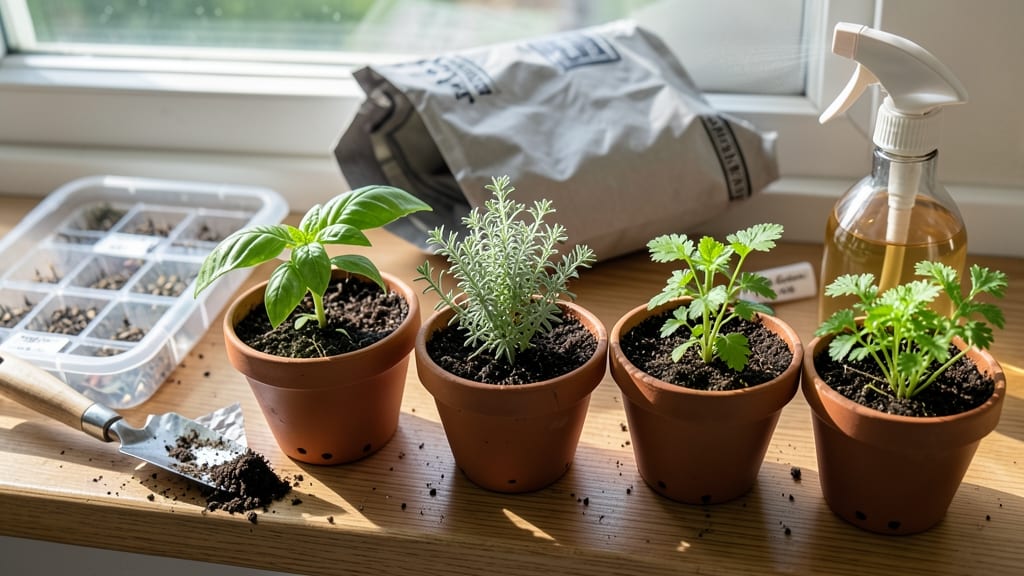
How to grow herbs from seeds in pots turns any sunny windowsill into a fragrant kitchen garden. 🌱 Last spring, I started with just basil seeds and a thrifted pot—now I harvest fresh herbs year-round without buying expensive nursery plants. The secret isn't fancy equipment but matching the right conditions to what each herb naturally craves.
You'll need containers with drainage holes (at least 6 inches deep), well-draining potting mix, and a sunny spot for 4-6 hours daily. Start seeds indoors 6-8 weeks before your last frost, or direct-sow in warm soil.
Most herbs—like basil, parsley, and cilantro—germinate within 7-14 days if kept consistently moist but not soggy. The key is patience: seedlings will look fragile at first but toughen up fast with proper care.
By midseason, you'll be snipping fresh basil for pesto or mint for tea straight from your pots. The plants stay compact, so they won't outgrow small containers, and harvesting encourages bushier growth. Even my black thumb can't kill these—herbs are forgiving once you get the basics right.
This method works for any herb variety, from slow-growing rosemary to fast-spreading mint. Once you master the basics, you can experiment with vertical setups or even grow herbs under grow lights. The best part? No more wilting store-bought herbs—just fresh, flavorful greens whenever you need them.
📚 In This Guide
- What you need
- Instructions
- Tips and common mistakes
- Wrapping up and next steps
What you need
- ● Herb seeds: Choose fast-growing varieties like basil, parsley, cilantro, or mint (start with 1–2 packets for beginners).
- ● Containers: 4–6-inch pots (with drainage holes) for each herb plant (1–2 plants per pot).
- ● Window boxes or hanging baskets (if space is limited).
- ● Potting mix: Lightweight, well-draining seed-starting mix or organic potting soil (avoid garden soil—it’s too dense!).
- ● Drainage material: Small pebbles, broken pottery, or a layer of horticultural grit (¼ inch at the pot’s bottom).
- ● Watering can or spray bottle: A gentle spray nozzle helps avoid displacing seeds.
- ● Plant labels: Popsicle sticks or small tags + a marker (to track your herbs!).
- ● Grow lights: LED clips or small bulbs for herbs needing 6+ hours of light (e.g., basil).
- ● Fertilizer: Balanced liquid fertilizer (diluted to half-strength) or compost tea for a nutrient boost.
- ● Mulch: Straw or shredded leaves to retain moisture (skip if herbs are in small pots).
- ● Humidity dome: A plastic bag or clear lid to create a mini greenhouse for seeds.
- ● Pruning shears: Small scissors to snip herbs for cooking (and encourage bushier growth!).
Step-by-Step instructions for growing herbs from seeds in pots
Here's how to turn a sunny windowsill into a thriving herb garden—no green thumb required.
🌱 Step 1: Select the Right Containers and Soil Mix
Choose pots at least 6 inches deep with drainage holes—herbs despise soggy roots. I prefer 8-inch terra cotta pots for their breathability, but any container with holes works. Fill each with a lightweight potting mix (never garden soil—it compacts in containers). The mix should feel like a damp sponge when squeezed, not a muddy brick.
Add a handful of perlite or vermiculite to improve drainage, then moisten the soil until it's evenly damp. Tap the pot gently to settle the mix without compacting it. This ensures roots can spread freely once your seeds sprout. I like to add a slow-release fertilizer to the mix—just follow the package rate for seed-starting blends.
🌱 Step 2: Plant Seeds at the Correct Depth and Spacing
Check your seed packet for depth—most herbs need planting twice as deep as the seed's diameter. For example, basil seeds (which are tiny) go ¼ inch deep, while chive seeds (larger) need ½ inch. Use your finger to make small holes, then place 1-2 seeds per pot to avoid overcrowding.
Cover lightly with soil and mist gently with water until the surface looks damp. Don't water heavily now—you'll disturb the seeds. Label each pot immediately with the herb name and planting date (yes, you'll forget which is which in a week). Place the pots in a warm spot, like on top of the fridge, until germination.
☀️ Step 3: Provide Warmth and Light for Germination
Herb seeds germinate best at 70-75°F, so keep pots in a warm, bright spot until sprouts appear. A seedling heat mat speeds things up, but even a sunny windowsill works if it stays above 65°F. Most herbs sprout in 7-14 days—parsley can take up to 3 weeks, so don't give up early.
Once sprouts emerge, move pots to bright, indirect light immediately. South-facing windows are ideal, but avoid direct midday sun until seedlings are 2 inches tall. You'll know they need more light if they stretch toward the window with pale, leggy stems. If this happens, move the pot within 4 inches of the light source or add a grow light.
💧 Step 4: Water and Fertilize for Healthy Growth
Water when the top inch of soil feels dry—stick your finger in to check. Herbs hate soggy soil but also despise drying out completely. Water gently at the base to avoid disturbing roots, and empty saucers after 10 minutes to prevent root rot. I use a spray bottle for delicate seedlings like dill or cilantro to avoid washing away soil.
After the second set of true leaves appears (not the initial seed leaves), switch to a balanced liquid fertilizer diluted to half strength. Feed every 2-3 weeks during the growing season. Over-fertilizing leads to lush foliage but weak stems—herbs need food, not a chemical high. Watch for yellowing leaves, which usually means it's time to fertilize again.
✂️ Step 5: Prune and Harvest for Continuous Growth
Start harvesting basil and cilantro when they reach 3-4 inches tall by pinching back the top sets of leaves. This encourages bushier growth and prevents bolting (when herbs flower and taste bitter). For thyme and oregano, wait until stems are 4-6 inches tall before cutting. Always snip just above a leaf node to promote new growth.
Prune leggy stems back by ⅓ to maintain shape and strength. Remove any yellow or diseased leaves immediately—herbs recover quickly, but pests spread fast in crowded pots. Rotate pots a quarter turn weekly so all sides get even light, which keeps plants growing upright and compact. With consistent care, your herbs will stay productive for months.
Tips & tricks for growing herbs from seeds in pots
These simple strategies will help you avoid common pitfalls and maximize your herb garden's success.
Soil Preparation Secret: Before planting, mix a handful of worm castings into your potting soil—it adds beneficial microbes that boost seedling growth. I like to do this in Step 1 when preparing the soil mix. The castings also improve drainage while retaining moisture better than perlite alone. This extra step makes all the difference for slow germinators like parsley.
Light Management: In Step 3, when you notice seedlings stretching toward the light, it's called "etiolation" and means they're starving for photons. Move the pot within 4 inches of the window or add a simple LED grow light for 12-14 hours daily. I keep mine on a timer to simulate natural daylight cycles—this prevents leggy stems and encourages compact, bushy growth.
Germination Troubleshooting: If your seeds haven't sprouted after 14 days at 70-75°F, try gently pressing them into the soil with your fingernail to ensure good seed-to-soil contact. Some seeds need darkness to germinate—cover the pot loosely with aluminum foil during germination if your seed packet recommends it. I've had better luck with chives this way, though most herbs prefer light.
Harvesting Technique: When harvesting in Step 5, always use clean, sharp scissors or your fingers to pinch stems. The key is to cut just above a leaf node where new growth emerges—this encourages branching. For basil, I harvest the top sets of leaves when they're 3-4 inches tall, which triggers bushier regrowth. Never take more than one-third of the plant at once to avoid stressing it.
Pro Tips for Grow Herbs From Seeds In Pots
- These simple strategies will help you avoid common pitfalls and maximize your herb garden's success.
- Soil Preparation Secret: Before planting, mix a handful of worm castings into your potting soil—it adds beneficial mi...
- Light Management: In Step 3, when you notice seedlings stretching toward the light, it's called "etiolation" and mean...
Frequently asked questions
Got questions about growing herbs from seeds in pots? You’re not alone! Here are some of the most common concerns—and their answers—to help you grow like a pro.
How long does it take for herb seeds to germinate?
Germination time varies by herb. Fast growers like basil and cilantro sprout in 5–14 days, while slower ones like rosemary or thyme may take 2–4 weeks. Keep soil consistently moist (not soggy) and warm (70–80°F) to speed things up. Patience is key—some seeds need light to germinate, so don’t bury them too deep!
Can I grow herbs from seeds indoors year-round?
Yes! Herbs like parsley, dill, and chives thrive indoors with 6–8 hours of bright light daily (a sunny windowsill or grow lights work). Use well-draining pots (6+ inches deep) and maintain humidity with a spray bottle. Just watch for leggy growth—rotate pots occasionally or supplement with artificial light to keep them sturdy.
Why are my herb seedlings wilting or turning yellow?
Wilting often signals overwatering or underwatering. Let the top inch of soil dry out between waterings, and ensure pots have drainage holes. Yellow leaves? Check for root rot (too much water) or nutrient deficiency (use a balanced fertilizer every 4–6 weeks). If soil feels compacted, loosen it gently to improve airflow.
Do I need to thin out herb seedlings, and how?
Thinning prevents overcrowding, which competes for nutrients. Once seedlings have 2–3 true leaves, snip or gently pull the weakest ones at soil level, leaving the strongest 2–3 inches apart. Basil and mint can handle slight crowding, but parsley and cilantro need space. Use clean scissors to avoid damaging roots!
What’s the best alternative if my seeds won’t sprout?
No worries! Try transplanting young herb starts from a nursery (cheaper than seeds for some varieties) or propagate from cuttings. For example, mint, basil, and oregano root easily in water—just place a 3–4 inch stem in a jar until roots form (2–3 weeks), then plant in soil. It’s a budget-friendly backup!
Wrapping up and next steps
Growing herbs from seeds in pots is a rewarding journey that brings fresh flavors and greenery right to your kitchen! With the right containers, soil, sunlight, and care, you’ll enjoy a thriving mini garden in no time.
Start small, stay patient, and soon you’ll be harvesting crisp basil, fragrant cilantro, or zesty mint for your favorite dishes.
Ready to take the next step? Pick one herb to grow this week—whether it’s mint for tea, parsley for garnishes, or thyme for savory meals. Grab your pots, follow the steps, and watch your green thumb flourish! 🌱✨