
Size
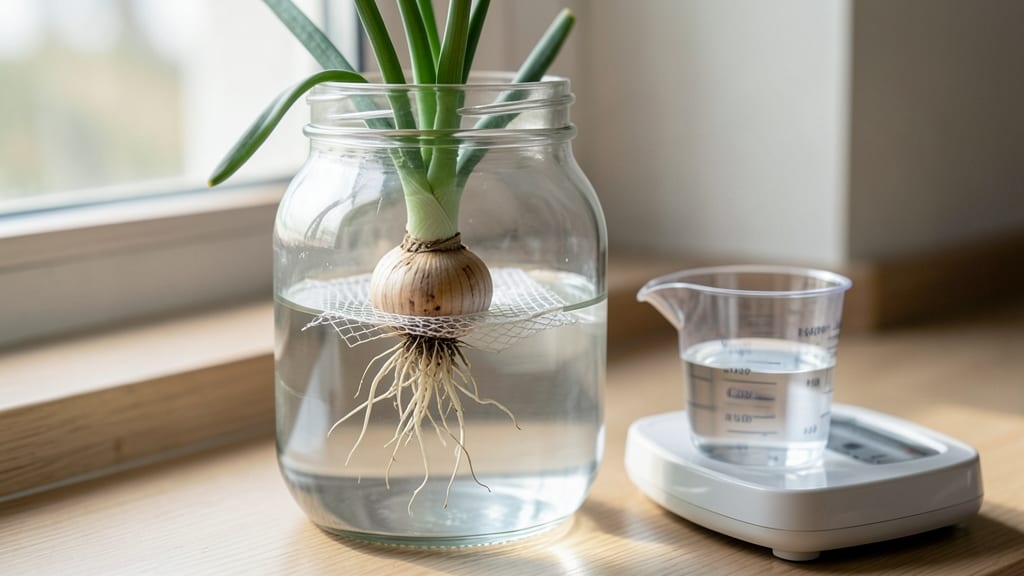
How to grow onion roots in water is the fastest way to see green sprouts—7 days flat. 🌱 I tried this after watching a single onion bulb send out roots in my kitchen cupboard, and now I keep a few growing year-round for quick greens. The magic happens with just water, light, and patience.
You only need three things: a shallow container (like a jar or bowl), water, and a yellow onion with a firm base. Place the bottom third of the bulb in water, keeping the top dry, and set it in bright, indirect light.
Change the water every 2-3 days to keep it fresh—stagnant water stinks and slows growth.
Within a week, you’ll see 1-2 inch roots and tiny green shoots poking through the top. These aren’t just pretty—they’re edible! Snip the greens as needed, and the roots keep growing. The bulb itself stays crisp for 2-3 weeks before softening, but you’ll get multiple harvests before it’s done.
This trick works in any kitchen, from sunny windowsills to grow lights. No soil, no mess—just fresh onion greens whenever you want. Perfect for beginners or anyone tired of buying wilted bunches at the store. Let’s get those roots growing!
📚 In This Guide
- What you need
- Instructions
- Tips and common mistakes
- Wrapping up and next steps
What you need
- ● Ready to kickstart your onion-growing adventure? Here’s everything you’ll need to grow lush onion roots in water like a pro! 🌱✨
Step-by-step instructions for growing onion roots in water
Here's my foolproof method for sprouting onion roots in water—no soil, no mess, just vibrant green growth in a week.
🌱 Step 1: Select and Prepare Your Onions
Choose fresh, firm onions with tightly wrapped layers—the kind that still feel heavy and unblemished. Avoid onions that feel dry or sprouted already. Cut off the top 1 inch of the onion, including the root cluster, but leave the bulb intact. This small stem contains the growth hormones needed to trigger root development.
Here's the thing—don't peel the onion. The papery outer layers protect the bulb from drying out while the roots grow. Place your prepared onions in a shallow dish (like a wide, flat plate) so the cut ends sit flat against the bottom. I like to use a clear dish so I can watch the roots develop daily.
💧 Step 2: Add Water and Position for Growth
Fill the dish with lukewarm water until the bottom ½ inch of the onion is submerged. The water level should never cover the onion bulb—just enough to encourage root growth without rotting the base. Change the water every 2-3 days to keep it fresh and prevent bacterial buildup.
Place the dish in a bright, indirect light spot—think east-facing window or under a grow light. Direct sunlight can scorch the emerging roots, while too little light slows growth. You'll see tiny white root hairs appear within 2-3 days, followed by green shoots in 5-7 days. This is the moment that matters: patience pays off here.
⏰ Step 3: Monitor and Maintain Conditions
Check the water level daily—it evaporates faster than you think. If the roots look dull or limp, it's time to refresh the water. Overwatering is the fastest way to kill your sprouts, so drain excess water completely before adding fresh. You'll know it's right when the roots stay plump and firm to the touch.
After 7-10 days, the green shoots should reach 2-3 inches tall. At this stage, you can transplant them into soil if you want to grow full onions, or keep them in water for a longer harvest of fresh green onions. Real talk: if you forget to transplant, the roots will keep growing—just keep refreshing the water!
✂️ Step 4: Harvest and Encourage Regrowth (Optional)
To harvest, snip the green shoots just above the onion bulb with clean scissors. Don't cut too close—the onion still has growth potential! Place the harvested greens in a jar of water in the fridge, and they'll stay fresh for up to 2 weeks. The onion bulb itself can regrow if you keep it in water—just trim the roots occasionally to encourage new growth.
Don't skip this (I learned the hard way): if the water gets cloudy or smells funky, ditch it immediately and start fresh. Bacteria will turn your roots mushy in a day. A small pinch of apple cider vinegar in the water can help prevent algae and bacteria—just ¼ teaspoon per quart of water is enough.
Tips & tricks for growing onion roots in water
Common pitfalls—and how to sidestep every one when growing vibrant onion sprouts.
Selection Matters: The quality of your onions makes all the difference. Look for bulbs that feel heavy for their size and have tightly wrapped layers—this indicates freshness and energy for growth. I've found that smaller onions (about 3-4 inches in diameter) actually sprout faster than giant ones because they have less mass to sustain. Avoid onions with sprouts already emerging or any soft spots, as these won't develop strong roots.
Light Positioning: That bright, indirect light spot is non-negotiable for healthy growth. I've learned the hard way that direct sunlight can scorch delicate roots, while dim corners slow everything down. Place your dish near an east-facing window where it gets morning light but not harsh afternoon rays. If natural light is limited, a simple LED grow light (around 10-12 inches above the dish) works wonders—just keep it on for 12-14 hours daily. The roots will tell you when they're happy: plump and white, not leggy or yellowing.
Water Management: The ½-inch submersion rule is your golden standard, but here's what nobody tells you: lukewarm water (around 70°F) works better than cold or hot. Cold water shocks the roots, while hot water can cook them. Change the water every 2-3 days religiously—this prevents bacterial growth that turns roots mushy. I've seen people skip this and end up with slimy water and sad sprouts. Pro tip: Use a small spray bottle to mist the onion bulbs occasionally—this adds humidity they love without overwatering.
Harvesting Technique: When those 2-3 inch green shoots appear, timing your harvest matters. Use clean scissors to snip just above the onion bulb—never pull or twist, as this damages the regrowth potential. The first harvest gives you fresh green onions, but here's the secret: the bulb can regrow up to 3 times if you keep it in water! Just trim the roots occasionally to encourage new growth. Store harvested greens in a jar of water in the fridge—they'll stay crisp for up to 2 weeks, ready for salads or cooking.
Pro Tips for Grow Onion Roots In Water
- Common pitfalls—and how to sidestep every one when growing vibrant onion sprouts.
- Selection Matters: The quality of your onions makes all the difference.
- Light Positioning: That bright, indirect light spot is non-negotiable for healthy growth.
Frequently asked questions
How long does it take for onion roots to grow in water?
With the right conditions, you’ll see 1–2 inch roots in 7–10 days! Some varieties sprout faster, while others may take up to 2 weeks. Keep the water fresh and warm (around 65–75°F) to speed up growth. Patience is key—don’t rush the process!
Can I reuse the water when growing onion roots?
No, you should change the water every 2–3 days to prevent bacterial growth and root rot. Stale water can make the roots smell foul or even stop growing. Use room-temperature water and avoid tap water with high chlorine—let it sit out for 24 hours if needed.
Do onion roots need sunlight?
Yes! Place your jar in a bright spot (like a sunny windowsill) for 6–8 hours of indirect light daily. Direct sunlight can overheat the water, while too little light slows growth. If your space is dim, consider a grow light for 10–12 hours a day.
Can I grow onions from store-bought onions?
Just pick firm, organic onions with short stems (like red or yellow varieties). Avoid onions treated with growth inhibitors (common in conventional stores). If the stem is too short, try yellow or white onions—they often have longer sprouts.
What if my onion roots turn black or mushy?
Black or mushy roots usually mean rot from bacteria or fungus. Act fast: trim the bad roots, rinse the onion in hydrogen peroxide (3%), and switch to fresh, filtered water. If the smell is foul, start over with a new onion. Keep the water level just below the roots to prevent over-saturation.
Can I transplant water-grown onion roots to soil?
Yes! Once roots reach 1–2 inches and green shoots appear, you can plant them in soil. Gently place the onion in a pot with well-draining potting mix, keeping the roots covered. Water lightly and place in bright, indirect light. It may take a few weeks to adjust, but they’ll eventually grow into full plants!
Wrapping up and next steps
Growing onion roots in water is a simple, rewarding way to watch new life sprout in just 7 days—no soil or garden required! 🌱 With just a few household items and a little patience, you’ve got a mini green experiment that’s perfect for kids, beginners, or anyone craving a quick win.
Whether you’re inspired to try hydroponics or just love seeing science in action, this method proves that you don’t need a green thumb to grow something great.
Now that you’re armed with the know-how, why not take it further? Try experimenting with different water changes, light conditions, or even transplanting your sprouts into soil once they’re ready. Your next step could be a full home garden—one onion at a time! 🌟